
Senior instructional Designer: Key Responsibilities, skills, and Career Growth Paths in Education Technology
Are you passionate about shaping the future of education through technology? A career as a Senior Instructional Designer might be your calling.These professionals play a pivotal role in universities, colleges, and schools by integrating cutting-edge digital tools with instructional best practices. in this comprehensive guide, we delve into the key responsibilities, essential skills, benefits, and career advancement opportunities for Senior Instructional Designers in the thriving world of education technology.
Introduction to the Senior Instructional Designer Role
The demand for innovative and technology-integrated learning experiences is higher than ever. educational institutions are investing heavily in online programs, digital learning platforms, and blended learning models. At the heart of this conversion lies the Senior Instructional Designer,a strategic leader responsible for designing,implementing,and optimizing engaging learning environments.
Whether you are a seasoned professional or a passionate educator eyeing a transition into educational technology, understanding the nuances of this role can be your stepping stone toward a rewarding career.
Key Responsibilities of a Senior Instructional Designer
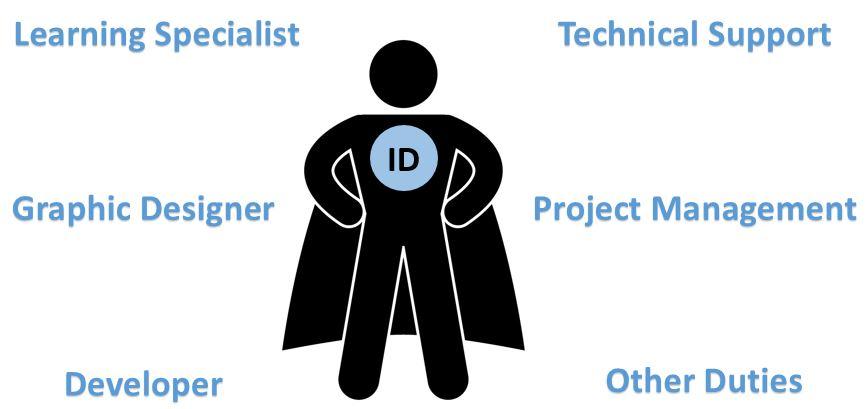
Senior Instructional Designers are more than content creators—they are learning architects. Here’s a detailed look at their core duties:
- Curriculum Design & Development
Design comprehensive curricula and instructional materials that incorporate the latest digital tools and learning theories.
- Project Leadership
Lead cross-functional teams of educators, developers, and subject matter experts to deliver high-quality educational products on schedule.
- LMS Management and Optimization
Oversee and optimize the Learning Management System (LMS), troubleshoot issues, and ensure alignment with institutional goals.
- Faculty & Staff Training
Develop and deliver professional development sessions to train faculty in the effective use of educational technology.
- Quality Assurance and Assessment
Evaluate the effectiveness of instructional materials through data analytics, learner feedback, and continuous advancement cycles.
- Accessibility and Inclusivity
Ensure all learning experiences follow worldwide design, accessibility, and compliance standards (such as WCAG and ADA).
- Technology Integration
Identify emerging educational technologies and strategize their integration into courses and programs.
- Stakeholder Collaboration
Communicate with institutional leadership, instructional technologists, and students to align design with learning outcomes.
Essential Skills for Success as a senior Instructional Designer
Success in the Senior Instructional Designer role requires a balanced blend of technical, pedagogical, and leadership skills. Here are the top competencies employers seek:
Instructional Design Expertise
- Deep understanding of instructional design models (ADDIE, SAM, Bloom’s Taxonomy, UDL)
- Experience creating engaging online and blended learning experiences
- Ability to design for different modalities: synchronous, asynchronous, and hybrid
Technical Proficiency
- Mastery of LMS platforms (Canvas, Blackboard, Moodle, D2L)
- Proficiency in authoring tools (Articulate Storyline, Captivate, Camtasia, H5P, Adobe Creative Suite)
- Familiarity with HTML, CSS, and basic learning analytics tools
Project Management and Leadership
- Experience leading teams and managing multiple projects concurrently
- Strong time management and organizational skills
- Ability to mentor junior instructional designers and contribute to team growth
Communication and Collaboration
- Excellent presentation and workshop facilitation abilities
- Strong writen and verbal communication skills for effective stakeholder engagement
- Conflict resolution and consensus-building
Continuous learning and Innovation
- Interest in staying up-to-date with educational technology trends
- Willingness to experiment with emerging tools and methodologies
- Keen analytical skills for data-driven decision-making
Benefits of Working as a Senior Instructional Designer
Pursuing a career as a Senior Instructional Designer in education technology provides numerous advantages for job seekers:
- high Demand: Universities, colleges, and schools increasingly seek experienced instructional designers to build the next generation of digital courses.
- Professional Growth: Opportunities abound for leadership roles,specialization in e-learning,or transitions into academic administration or educational consulting.
- Meaningful Impact: Shape educational outcomes for thousands of learners and drive institutional innovation.
- Competitive Salaries: Senior positions command attractive salaries and benefits packages, especially at leading institutions and ed-tech organizations.
- Versatility: Many roles offer hybrid or fully remote work options, supporting work-life balance.
Practical Tips for Aspiring Senior Instructional Designers
If you aspire to step into a Senior Instructional Designer job, here are actionable strategies to boost your candidacy:
Build a Showcase Portfolio
- Develop and curate sample lesson plans, e-learning modules, and multimedia content
- Include evidence of your impact, such as improved learner outcomes or faculty testimonials
Expand Your Professional Network
- Attend educational technology conferences and workshops
- Join professional organizations like EDUCAUSE or The Association for Educational Communications and Technology (AECT)
Pursue Advanced Certifications
- Consider certificates in instructional design, adult learning, project management (such as PMP), or specialized technology platforms
Stay Updated with Industry Trends
- Follow authoritative publications, thought leaders, and ed-tech blogs
- Embrace lifelong learning to maintain an innovative edge
Career Growth Paths for Senior Instructional Designers
A Senior Instructional Designer role is not the final stop—it’s a gateway to diverse career advancement options. Here are some common growth trajectories within education technology:
- Instructional Design Manager/director
Lead larger instructional design teams, oversee strategic planning, and drive institution-wide initiatives.
- Learning Experience Designer
Specialize in crafting holistic educational experiences, incorporating user experience (UX) and user interface (UI) design principles.
- eLearning Program Manager
Take responsibility for entire online education divisions, managing budgets, partnerships, and student engagement.
- Chief Learning Officer (CLO)
Join the executive suite and direct organizational learning strategy across an institution or company.
- Educational Technology Consultant
Offer expertise to multiple organizations, supporting adoption of digital learning solutions on a contract or freelance basis.
- Academic Administration
Move into roles such as Dean of eLearning or Director of Teaching and Learning Innovation, influencing institutional policy and direction.
Additionally, some Senior Instructional Designers venture into entrepreneurship, launching their own ed-tech startups or offering autonomous training services.
Conclusion
The role of a Senior Instructional Designer is both dynamic and influential within the modern educational landscape. By blending expertise in pedagogy,technology,and leadership,these professionals drive meaningful change in how learning is designed and delivered. If you are seeking a challenging and rewarding career in education technology at universities, colleges, or schools, building your path toward a senior Instructional Designer position can open doors to continual professional growth and a genuine impact on learners’ futures. Start honing your skills,expanding your knowledge,and embracing the exciting possibilities this role offers in today’s digital-first academic world.