
Senior Instructional Designer: Key Responsibilities, Skills, and Career Growth Tips
Introduction
The education technology landscape is evolving rapidly, and institutions are seeking talented professionals to create innovative, effective, and interactive learning experiences. Among these professionals, the Senior Instructional Designer plays an essential role in shaping the future of learning at universities, colleges, and schools.If you aspire to work as a Senior Instructional Designer, understanding the job’s responsibilities, the critical skills required, and how to grow your career is vital. This extensive guide will unlock everything you need to know to thrive in this rewarding role within the EdTech sector.
What is a Senior Instructional Designer?
A Senior Instructional Designer is an experienced education specialist who develops, implements, and optimizes instructional materials and digital learning environments. Working closely with faculty, subject matter experts, and educational technologists, Senior Instructional Designers employ advanced pedagogical techniques and EdTech tools to create impactful, student-centered learning experiences. Their expertise is in high demand at universities, colleges, and schools looking to enhance online and blended learning programs.
Key Responsibilities of a Senior Instructional Designer
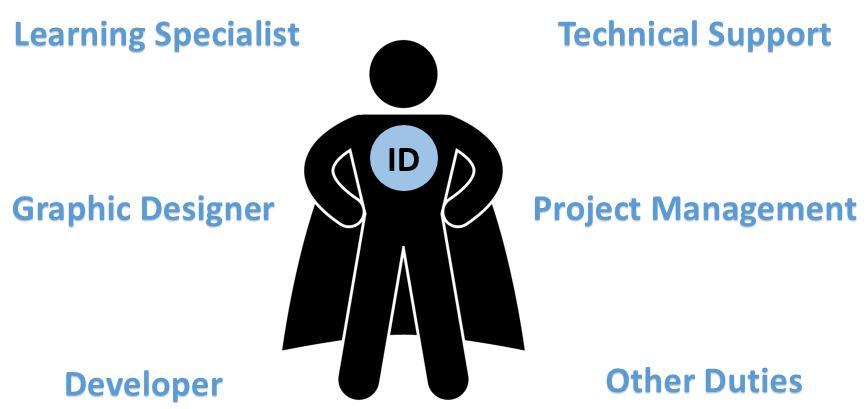
The role of a Senior Instructional Designer is multi-faceted, requiring proficiency in both instructional methods and technology. Below are the core responsibilities commonly associated with this position:
- Course Design and Progress: Lead the design, development, and delivery of online, hybrid, and face-to-face courses using evidence-based instructional strategies.
- Needs Analysis: Conduct comprehensive needs assessments to identify learning objectives, audience characteristics, and content requirements.
- Collaboration with Stakeholders: work collaboratively with faculty members, subject matter experts (SMEs), and academic leadership to align course objectives with institutional goals.
- EdTech Integration: Research, recommend, and implement educational technology tools and learning management systems (LMS) to support curriculum delivery and assessment.
- Content Creation: Develop engaging multimedia instructional materials,including videos,e-learning modules,simulations,and assessments.
- Quality Assurance: Ensure instructional materials comply with quality standards such as Quality Matters, ADA accessibility, and institutional guidelines.
- Project Management: Oversee project timelines,resource allocation,and task delegation for course development projects.
- Faculty training: Facilitate training workshops, webinars, and one-on-one coaching sessions to build faculty capacity in instructional design and educational technologies.
- Evaluation and Feedback: Analyze student outcomes and course effectiveness to inform continuous advancement initiatives.
- Innovation and Research: Stay updated on the latest trends in instructional design and EdTech, incorporating new methods and tools to enhance learning experiences.
Essential Skills for Senior Instructional Designers
To excel as a Senior Instructional Designer in education technology,you need a robust combination of technical expertise,pedagogical knowledge,and interpersonal abilities. Here are the top skills hiring institutions look for:
Instructional Design Expertise
- Deep understanding of instructional design models (e.g., ADDIE, SAM, backward Design)
- Ability to align learning objectives, assessments, and instructional strategies
- Competency in creating adaptive and personalized learning experiences
Technical Proficiency
- Expertise with Learning Management Systems (e.g., Canvas, Blackboard, Moodle)
- Proficiency with authoring tools (e.g., Articulate Storyline, Adobe captivate, Camtasia)
- Familiarity with accessibility standards (WCAG, Section 508)
- Experiance integrating multimedia and interactive components into courses
project Management
- Strong organizational and time-management skills
- Experience managing multiple projects with competing deadlines
- Ability to coordinate and communicate effectively with cross-functional teams
Communication and Collaboration
- Excellent written and verbal communication skills
- Ability to translate complex concepts for diverse audiences
- Interpersonal skills for effective stakeholder engagement
Data-Driven Mindset
- Capacity to analyze learning analytics, student feedback, and assessment data
- Experience using insights to inform iterative improvements
Innovation and Lifelong Learning
- commitment to staying current with evolving EdTech trends
- Openness to experimenting with new technologies and methodologies
Benefits of Working as a Senior Instructional Designer
A career as a Senior Instructional Designer in education technology offers substantial rewards, both professionally and personally.Here are some key advantages:
- Opportunities for Impact: Influence the learning experiences and outcomes of students and faculty across educational institutions.
- Professional Growth: Continuous access to professional development, conferences, and emerging technologies in the EdTech space.
- Creative Freedom: Engage in creative problem-solving and innovation with each project.
- Job Security: Increasing demand for online and blended learning ensures a strong job outlook for instructional designers.
- Collaborative Environment: Work with passionate educators and technology professionals who are equally committed to student success.
- Work-Life Balance: many roles offer flexibility, including hybrid or remote work arrangements.
Practical Tips for Landing a Senior instructional Designer Role
If you aspire to secure a Senior Instructional Designer position at a university, college, or school, consider these practical strategies:
Build a Strong Portfolio
- Showcase a range of instructional design projects (course samples, e-learning modules, multimedia content).
- Highlight tangible outcomes and improvements resulting from your work.
- Include evidence of collaboration, leadership, and innovative use of EdTech.
Pursue Relevant Education and Certifications
- Acquire an advanced degree in instructional design, educational technology, curriculum development, or a related field.
- Certifications like Certified professional in Learning and Performance (CPLP), Quality Matters, or instructional design-focused badges can help you stand out.
Gain Experience with Key EdTech Tools
- Develop proficiency in top LMS and content authoring solutions.
- Stay current with new collaborative tools, analytics platforms, and AI-driven EdTech solutions.
Network and Engage with the EdTech Community
- Attend conferences, webinars, and online forums related to instructional design and education technology.
- Participate in professional organizations like the Association for Educational Communications and Technology (AECT) or the International Society for Technology in Education (ISTE).
- Contribute to discussions, share your knowledge, and connect with peers and potential employers.
Demonstrate Your Leadership Abilities
- proactively seek leadership opportunities within your current role—such as managing projects or mentoring junior designers.
- Highlight these experiences on your resume and in interviews to demonstrate your readiness for senior-level responsibilities.
Showcase Continuous Learning
- regularly update your skills through online courses and workshops.
- Document your learning journey and illustrate your adaptability to changing technologies and pedagogies.
Career growth Opportunities for Senior Instructional Designers
With the right skills and experience, career advancement in this field is robust. Here are ways you can grow in your career as a Senior instructional Designer:
- Lead Instructional Design Teams: Advance to managerial roles overseeing design teams or departmental projects.
- Specialize Within EdTech: focus on high-demand areas such as gamification, adaptive learning, or mobile-first course design.
- Transition to EdTech Leadership: Move into roles such as Director of Instructional design, Chief Learning Officer, or Head of Digital Learning.
- Impact Policy and Strategy: Contribute to institutional strategies around digital transformation, inclusion, and learning innovation.
- Consulting and Training: Offer expertise as an edtech consultant or lead instructional design workshops and training programs externally.
Conclusion
The role of a Senior Instructional Designer in educational technology is both dynamic and impactful, blending the art of teaching with the power of technology. By mastering the critical responsibilities, cultivating essential skills, and following practical career tips, you can position yourself for success in the ever-evolving EdTech landscape at universities, colleges, and schools.Whether you’re transitioning from teaching or advancing from a junior instructional design role, now is the perfect time to harness your talents and shape the future of education.Take the next step on your career journey and make a lasting difference in how learning happens.