
Senior Instructional Designer: Key roles, Essential Skills, and Career Growth Tips
Education technology is revolutionizing the way we teach and learn in universities, colleges, and schools worldwide. As digital learning becomes increasingly prevalent, the demand for highly skilled professionals in instructional design is skyrocketing.If you are looking to advance your career in edtech, the role of a Senior Instructional Designer might be the perfect fit. In this thorough guide, we’ll cover the key responsibilities, must-have skills, benefits of the role, and actionable tips to help you grow and thrive in this exciting field.
What is a Senior instructional Designer?
A Senior Instructional Designer is a highly specialized professional responsible for designing, developing, and evaluating instructional materials and online learning experiences. Working in tandem with faculty, subject matter experts, and technology teams, they ensure that educational content is engaging, accessible, and aligned with learning objectives. Whether within a university, college, or K-12 school setting, Senior Instructional Designers play a crucial role in shaping the future of digital education.
Key Roles and Responsibilities
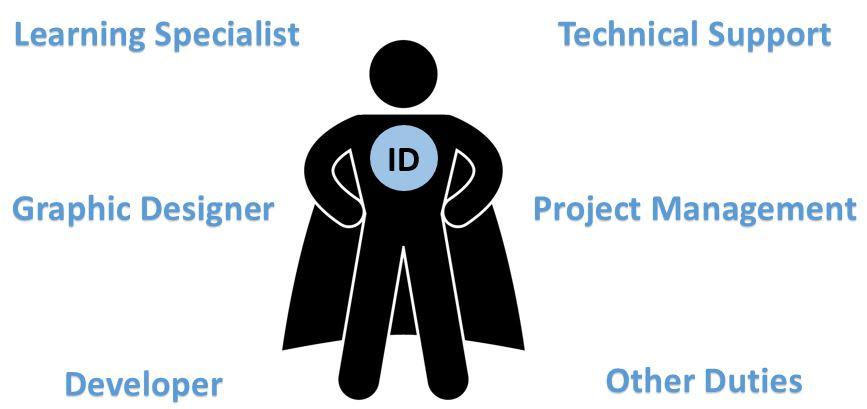
Senior Instructional Designers carry a diverse range of duties that are essential to the success of educational technology initiatives.Below are some of the primary responsibilities associated with this role:
- Curriculum Design and growth: Collaborating with faculty and subject matter experts to design curricula tailored to institution and learner needs.
- Online Course Development: Creating interactive, student-centered learning experiences using Learning Management Systems (LMS) and multimedia tools.
- Pedagogical Analysis: Applying evidence-based instructional strategies to ensure effective knowledge transfer and learner engagement.
- Project Management: Leading course development projects, managing timelines, budgets, and cross-functional teams.
- Quality Assurance: Reviewing and revising instructional materials to align with accessibility standards and best practices in online education.
- Faculty Training and Support: Coaching and training educators on instructional design principles, new technologies, and online teaching best practices.
- Evaluation and Assessment: Conducting formative and summative evaluations to measure the effectiveness of learning solutions and implement improvements.
- Research and Innovation: Staying current with emerging trends, theories, and technologies in education to continuously enhance course offerings.
Essential Skills for Senior Instructional Designers
To excel as a Senior Instructional Designer in education technology, you will need a robust blend of technical, pedagogical, and interpersonal skills. here’s a closer look at the competencies that set successful candidates apart:
Technical Proficiencies
- Advanced expertise with Learning Management Systems (LMS)—such as Canvas,Blackboard,Moodle,or D2L Brightspace.
- Proficiency in e-learning authoring tools like Articulate Storyline,adobe Captivate,or Camtasia.
- Familiarity with HTML, CSS, and basic web design principles to develop and troubleshoot online content.
- Understanding of accessibility standards (e.g., WCAG, ADA) and Worldwide Design for Learning (UDL) practices.
- Competency with multimedia production and instructional video editing software.
Pedagogical and Analytical Skills
- deep understanding of instructional design models (e.g., ADDIE, SAM, Dick and Carey).
- Ability to conduct needs assessments and learner analysis to inform design decisions.
- experience with formative and summative assessment methods to measure learning outcomes.
- Skill in applying adult learning principles and best practices for diverse learning populations.
Interpersonal and Leadership Abilities
- strong dialog and collaboration skills to work effectively with faculty, administrators, and developers.
- Project management expertise, including Agile or other course development methodologies.
- Problem-solving and critical thinking skills for addressing instructional and technological challenges.
- Mentoring and training capabilities to support staff and educators at varying levels of tech fluency.
Benefits of Working as a Senior Instructional Designer
Pursuing a career as a Senior Instructional Designer in education technology offers numerous personal and professional benefits:
- High Demand: Educational institutions are increasingly investing in digital learning,making experienced instructional designers highly sought after.
- competitive Salary: Senior roles frequently enough come with attractive compensation packages, including benefits and remote work opportunities.
- Professional Development: Access to ongoing learning and certification in cutting-edge edtech tools and pedagogies.
- Opportunity to Innovate: A chance to be at the forefront of educational change by embedding new technologies and teaching models.
- Meaningful Impact: The satisfaction of creating accessible, effective learning experiences that empower students and educators alike.
- Career Mobility: Transferable skills open pathways to academic leadership, consultancy, or specialized roles within the education sector.
How to Become a Senior Instructional Designer in Education Technology
If you aspire to become a Senior Instructional Designer, consider following these steps to chart a successful career path:
-
Earn Relevant Qualifications:
- Bachelor’s degree in education, instructional design, educational technology, or a related field (required).
- Master’s degree or certificate in instructional design, learning technologies, or curriculum development (preferred by many institutions).
-
Build a Strong Portfolio:
- Showcase diverse instructional design projects, including online courses, e-learning modules, assessment tools, and multimedia assets.
- Highlight your contributions to collaborative projects and measurable improvements in learning outcomes.
-
Gain Practical Experience:
- Start with entry-level roles such as Instructional Designer, E-learning Developer, or Curriculum Coordinator.
- pursue internships or volunteer opportunities to work on real-world course design projects.
-
Stay Current with EdTech Trends:
- Attend workshops, webinars, and professional conferences focused on digital learning and instructional design innovation.
- Join professional organizations or online communities to network and share best practices.
-
develop Leadership Skills:
- Lead cross-functional teams, mentor junior designers, and take ownership of complex projects.
- Hone your ability to manage competing priorities and contribute to strategic planning.
-
Pursue Certifications:
- Consider industry-recognized certifications such as Certified Professional in Learning and Performance (CPLP) or Certified Instructional Designer/Developer (CIDD).
Practical Career Growth Tips for Senior Instructional Designers
Successful Senior Instructional Designers maintain a growth mindset and proactively seek out opportunities for advancement. Here are actionable tips to propel your career forward:
- Network within the EdTech Community: Engage with professional groups, academic conferences, and online forums to build relationships and stay informed about industry developments.
- Pursue Lifelong Learning: regularly upskill in new technologies (e.g., AR/VR, adaptive learning platforms) to remain competitive and innovative in your field.
- Seek Mentorship: Find experienced mentors within your institution or professional network to provide guidance and help you navigate career challenges.
- Contribute Thought Leadership: Write articles, present at conferences, or lead workshops to establish yourself as an expert and expand your professional visibility.
- Advocate for Diversity and Accessibility: Champion inclusive teaching practices and accessible design to broaden the impact of your work.
- Request Feedback: Gather feedback from colleagues and learners to refine your instructional design approach and demonstrate measurable impact.
- Explore leadership Roles: Consider advancing into management positions such as Director of Instructional Design,Chief Learning Officer,or Academic technology Strategist.
Conclusion
The role of a Senior Instructional Designer is both rewarding and vital to the evolution of education technology in universities, colleges, and schools. With responsibilities that blend curriculum design, technology integration, and faculty collaboration, this role offers amazing prospects for personal and professional growth. By developing essential technical and pedagogical skills, building a standout portfolio, and staying on top of industry trends, you can establish yourself as a top candidate in the thriving world of instructional design. If you’re ready to step into an impactful and innovative career, now is the perfect time to pursue opportunities as a Senior Instructional Designer in education technology.