
Senior Instructional Designer: Key Skills, Responsibilities, and Career Growth Guide
Are you passionate about enhancing learning experiences using technology? Are you exploring a career as a Senior Instructional Designer in a university, college, or school? Education technology continues to revolutionize the way we teach and learn, making senior instructional designers increasingly vital in shaping engaging learning environments.This thorough guide will help you understand what it takes to excel in this dynamic role, what employers are looking for, and how you can map a rewarding career path in this growing field.
What Is a Senior Instructional Designer?
A Senior Instructional Designer is an expert professional responsible for designing, developing, and implementing effective and engaging educational experiences using the latest in instructional technology and learning theories. In schools, colleges, and universities, senior instructional designers are key contributors to digital transformation, ensuring that curricula leverage e-learning, blended learning, and digital content creation in alignment with pedagogical best practices.
Why Pursue a Career as a Senior Instructional designer in Education Technology?
The intersection of education and technology is a fertile ground for innovation and impact. As educational institutions continue to adopt technology-enhanced learning,the demand for senior instructional designers is on the rise.Professionals in this role enjoy:
- high Demand: With ongoing digital transformation, institutions look for skilled designers who can bridge the gap between pedagogy and technology.
- Impactful Work: Senior instructional designers play a direct role in shaping the quality of education and student success.
- Opportunities for Advancement: This role is a springboard to leadership positions in education technology and curriculum advancement.
- Engaging, Varied Tasks: From content creation to faculty training, every project presents fresh challenges and learning opportunities.
key Responsibilities of a senior Instructional Designer
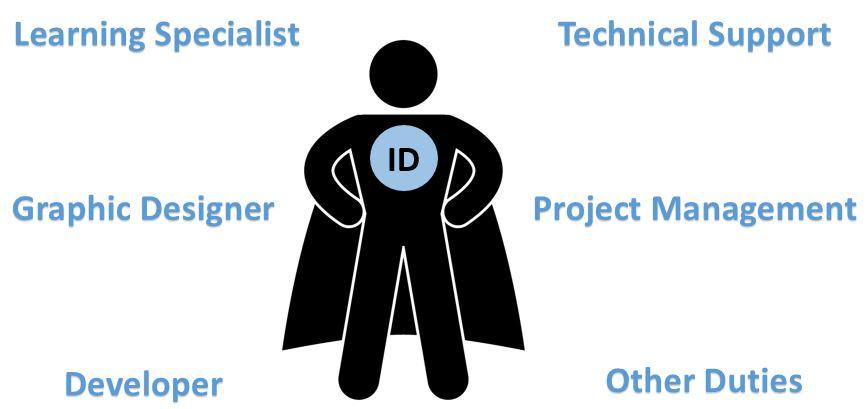
Senior instructional designers hold multifaceted roles that blend creativity with technical expertise. Some of the core responsibilities include:
- Learning Experience Design: Create engaging online, hybrid, or face-to-face learning solutions aligned with learning objectives and adult learning principles.
- Curriculum Development: Collaborate with subject matter experts (SMEs) to design and structure courses and educational programs for diverse learner populations.
- eLearning Development: Use authoring tools (e.g., Articulate 360, Adobe captivate, Lectora, or H5P) to produce high-quality digital content, interactive modules, and assessments.
- Instructional Material Evaluation: Assess and revise learning materials based on feedback, learner analytics, and current research.
- Project management: Lead project teams, define timelines, allocate resources, and monitor project milestones to ensure on-time course delivery.
- Faculty Training and Support: Conduct workshops, webinars, and one-on-one sessions to help educators integrate technology and best practices into their teaching.
- Quality Assurance and Compliance: Ensure instructional materials are accessible,compliant with ADA/Section 508,and adhere to institutional or accreditation standards.
- Continuous Improvement: Analyze learning outcomes and user data to drive ongoing enhancements in course design and delivery.
Essential Skills for Senior Instructional Designers
Excelling as a senior instructional designer requires a diverse skill set that spans pedagogy, technology, and collaboration. Key competencies include:
1.Instructional Design Expertise
- In-depth knowledge of instructional models (e.g., ADDIE, SAM, Backward Design).
- Experience aligning learning objectives, content, activities, and assessments.
- Understanding of cognitive learning theories and adult learning principles.
2. Technical Proficiency
- Proficiency in eLearning authoring tools and Learning Management Systems (LMS) such as Canvas, Blackboard, or Moodle.
- Familiarity with multimedia production, video editing, and accessibility standards.
- Comfort with emerging technologies in education (e.g., adaptive learning platforms, AR/VR, mobile learning, gamification).
3. Interaction and Collaboration
- Ability to work effectively with faculty, administrators, IT, and media teams.
- Strong written and verbal communication for documentation, training, and stakeholder engagement.
4. Project Management
- Experience leading cross-functional teams and managing multiple projects simultaneously.
- Competency in planning, budgeting, and tracking project workflows.
5. Assessment and Analytics
- Ability to interpret and act on learning analytics and assessment data for course improvement.
- Understanding of program evaluation models and learner feedback mechanisms.
Recommended Qualifications and Experience
While requirements may vary by institution, the following qualifications are typically sought after for senior instructional designer roles:
- Bachelor’s or Master’s degree in instructional design, educational technology, curriculum development, or a related field.
- At least 3-5 years of professional experience in instructional design, preferably in higher education or K-12 settings.
- Certification in eLearning or instructional design (such as the ATD CPLP or Certified Instructional Designer/Developer) is a plus.
- Demonstrated portfolio of instructional design projects and digital course development.
Career Growth and Advancement opportunities
Education technology is a continuously evolving sector, offering robust opportunities for career advancement. After gaining experience as a senior instructional designer, professionals may pursue:
- Leadership and Management Roles: Such as Instructional Design Manager, Director of Instructional Technology, or Learning Experience Leader.
- Specialization: Focusing on online program administration, learning analytics, or educational research.
- Consulting and Strategy: Advising institutions on instructional technology adoption, faculty development, or curriculum innovation.
- Academic and Research Roles: Publishing research on educational technology innovations or teaching in higher education programs.
Benefits of Working as a Senior Instructional Designer
Choosing a role in education technology as a senior instructional designer comes with several unique rewards:
- Intellectual Stimulation: Stay at the forefront of educational innovation and technology trends.
- Collaboration and Community: Engage with a community of educators, technologists, and thought leaders passionate about student success.
- Work-Life Balance: Many education institutions offer flexible schedules, remote work options, and generous benefits.
- Professional Fulfillment: Make a meaningful difference in the lives of students and teachers nationwide.
Practical Tips for Landing a Senior Instructional Designer Job
If you’re ready to advance your career in educational technology, here are actionable steps to help you secure a senior instructional designer position at universities, colleges, or schools:
- Build a strong Portfolio: Showcase a range of completed projects, demonstrating your expertise in online course design, interactive learning, and multimedia integration.
- Stay Up to Date: Engage in continuous professional development—attend workshops, webinars, and obtain relevant certifications in instructional design and eLearning technologies.
- Tailor Your Resume: Highlight your instructional design skills, technology proficiency, and leadership experience. Use keywords relevant to senior instructional designer job postings.
- Network: Connect with education technology professionals through associations, conferences, or online forums. Personal recommendations often play a key role in hiring decisions.
- Demonstrate Results: Share success stories where your solutions improved learner outcomes, engagement, or faculty satisfaction.
- Ace the Interview: Be ready to discuss real-world challenges you’ve solved, your familiarity with different instructional technologies, and your vision for future learning environments.
Conclusion: Step Into the Future of Learning
As educational institutions invest in transformative learning models,the role of the Senior Instructional Designer is more critical than ever. This career offers a unique blend of creativity, innovation, leadership, and the chance to make a lasting impact on education. By developing the right skills, gaining relevant experience, and staying abreast of education technology trends, you can position yourself as a sought-after professional ready to innovate for the digital age. Take the next step in your career and help shape the future of learning in schools, colleges, and universities!