
Senior Instructional Designer: Key Skills, Roles, and Career Growth Explained
As the landscape of education evolves, technology-driven learning has become essential across universities, colleges, and schools. If you’re a job seeker interested in education technology, the role of a Senior Instructional Designer offers a dynamic and rewarding career path. This comprehensive guide explains what it takes to excel as a senior Instructional Designer, outlining essential skills, core responsibilities, benefits, and practical tips for your career journey in EdTech.
What Is a Senior Instructional designer?
A Senior Instructional Designer in education technology is a professional who leads the design, growth, and evaluation of instructional materials, online courses, and digital learning experiences. Working within universities, colleges, or schools, these experts leverage educational theory and technology to enhance teaching and learning outcomes.
Why Is This Role in Demand?
- Growth in online and blended learning environments
- Need for engaging, effective digital course designs
- Increasing investment in educational technology (EdTech) solutions
- Pandemic-driven acceleration of remote and distance learning
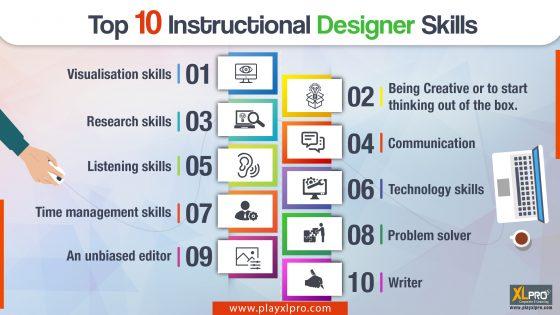
Key Skills for Senior Instructional Designers
To thrive in this pivotal EdTech position, you’ll need a blend of pedagogical expertise, technical prowess, and leadership skills. Here are the most sought-after skills for Senior Instructional Designers:
Instructional Design & Learning Theory
- Mastery of instructional design models (ADDIE, SAM, Bloom’s Taxonomy)
- Understanding learning science and adult learning principles
- Applying assessment strategies and feedback mechanisms
Technology Integration
- Experience with Learning Management Systems (LMS) such as Canvas, Blackboard, or Moodle
- Proficiency in authoring tools (Articulate storyline, Adobe Captivate, Camtasia)
- Familiarity with interactive tools (Nearpod, H5P, Kahoot)
- Knowledge of accessibility standards (WCAG, Section 508 compliance)
Project Management & Collaboration
- Leading design projects from concept through implementation
- Working with faculty, subject matter experts (SMEs), and technical teams
- Agile methodology and change management
- Time management and multi-tasking across diverse projects
Communication & Evaluation
- Excellent verbal and written communication
- Ability to translate learning objectives into engaging digital content
- Data analysis and using learning analytics for enhancement
- Presentation and workshop facilitation
core Roles and Responsibilities
As a Senior Instructional Designer in an educational institution, your daily role encompasses various design, management, and advisory tasks. Here are the primary job responsibilities:
- Course and Curriculum design: Lead the creation of online, hybrid, and face-to-face courses that align with institutional standards.
- E-Learning Development: Produce interactive digital modules, multimedia content, and assessments using EdTech tools.
- Faculty and Staff Support: Provide training and support to instructors on technology adoption and effective teaching practices.
- Project Leadership: Oversee large-scale instructional design projects, ensuring timely delivery and quality outcomes.
- Quality Assurance: Apply rubrics and evaluation tools to assess and improve digital courses and programs.
- Research and Innovation: Stay informed about trends in education technology and recommend new solutions or tools for adoption.
- Collaboration: Work cross-functionally with IT, academic departments, and external vendors to deliver holistic learning experiences.
Required Qualifications and Experience
While specific requirements vary among universities, colleges, and schools, successful Senior Instructional Designers typically possess the following:
- Bachelor’s or Master’s degree in Instructional Design, Education Technology, Curriculum Development, or a related field
- Minimum of 3-5 years of experience in instructional design, preferably in higher education or K-12 environments
- Portfolio demonstrating previous digital learning projects or course developments
- Certifications (helpful but not always required): Certified Professional in learning and Performance (CPLP), ATD, or equivalent credentials
Benefits of a Senior Instructional Designer Career in EdTech
Pursuing a role as a Senior Instructional Designer in educational technology opens many doors for professional fulfillment and growth. Top benefits include:
- High Demand: Ongoing digital change in education ensures sustained job opportunities and growth.
- Impactful Work: Contribute directly to student success and institutional goals by shaping high-quality learning experiences.
- Continuous Learning: Stay at the forefront of education trends, technology, and digital pedagogy.
- Leadership Opportunities: lead teams and initiatives, mentor junior designers, and shape learning strategies at an institutional level.
- Flexible Work: Many institutions offer hybrid or remote work options for instructional designers.
Career Growth and Advancement Prospects
A position as a Senior Instructional Designer is frequently enough a gateway to advanced leadership opportunities in education technology. With ongoing professional development and successful project experience, you can progress to roles such as:
- Instructional Design Manager
- Director of Learning Design
- Head of Digital Learning
- Chief Learning Officer
- EdTech Consultant
Many Senior Instructional Designers also transition to broader roles within academic technology, curriculum strategy, or faculty development departments, enhancing their career mobility.
Practical Tips to Land Your First Senior Instructional Designer Job
If you aspire to step up in your edtech career, consider these practical approaches to stand out to employers:
- Build a Robust Portfolio: Showcase completed e-learning courses, digital resources, and project results.
- Stay Current: Regularly update your knowledge of new LMS platforms, design tools, and educational standards.
- Network in the Field: Attend EdTech conferences, forums, and webinars; join LinkedIn groups for instructional designers.
- Earn Relevant Certifications: Consider professional certifications in instructional design or project management.
- Demonstrate Leadership: Take the initiative in your current role to lead training sessions or project teams.
- Highlight Measurable Impact: When crafting your resume,emphasize outcomes like increased student engagement or course completion rates linked to your designs.
Essential Interview Preparation Tips
Preparing effectively for your Senior Instructional Designer interview is crucial. Here’s how to make a strong impression:
- Review the mission, tools, and teaching approaches of the institution you’re applying to.
- prepare to present your portfolio and discuss your design decision-making process.
- Be ready for scenario-based questions about stakeholder collaboration, managing tight timelines, or innovating with limited resources.
- Demonstrate data-driven evaluation skills and commitment to accessibility and inclusivity in digital learning.
Conclusion: Take the Next Step Toward Your EdTech Career
The role of a Senior Instructional Designer in education technology is both impactful and intellectually stimulating, offering endless opportunities for professional growth within universities, colleges, and schools. By mastering key instructional design skills, embracing new technologies, and showcasing leadership, you can build a rewarding career transforming learning experiences for educators and students alike.Whether you are transitioning from teaching,beginning your instructional design journey,or seeking your next challenge in EdTech,now is the ideal time to pursue this in-demand path and make your mark on the future of education.