
Senior Instructional Designer: Key Skills,Roles,and Career Guide for 2024
In education technology,the Senior Instructional Designer plays a pivotal role in transforming learning experiences at universities,colleges,and schools. If you are seeking a career in this dynamic field, it is crucial too understand the skills, key responsibilities, and best strategies for success in 2024. This guide provides job seekers with all the insights needed to land and thrive in a Senior Instructional Designer role in educational institutions.
Why Pursue a Career as a Senior Instructional Designer?
As digital learning becomes integral to modern education, the demand for skilled Instructional Designers—particularly at the senior level—continues to rise. Institutions are investing heavily in e-learning,course design,and technology-enhanced teaching. Senior Instructional Designers are at the forefront, leading these initiatives and ensuring effective, engaging, and accessible learning for diverse student populations.
Primary Responsibilities of a Senior Instructional Designer
The scope of work for a Senior Instructional Designer is both broad and impactful. Below are the main duties you’ll find in job descriptions at top educational institutions:
- Curriculum Advancement: Designing, developing, and evaluating curricula for online, hybrid, and face-to-face programs.
- Instructional strategy: applying pedagogical theories and learning models to create effective instructional materials.
- Project Management: Overseeing course development projects, managing timelines, and coordinating with faculty, subject matter experts, and production teams.
- technology Integration: Leveraging learning management systems (LMS), multimedia tools, and emerging technologies to enhance course delivery.
- Quality Assurance: Conducting assessments, reviewing learning outcomes, and ensuring courses meet institutional and accreditation standards.
- Faculty Training: Providing workshops and one-on-one consultations to train educators on course design and effective use of digital tools.
- Accessibility and Inclusion: Ensuring all instructional materials adhere to accessibility standards and support diverse learner needs.
Key Skills Required for Senior Instructional Designers in 2024
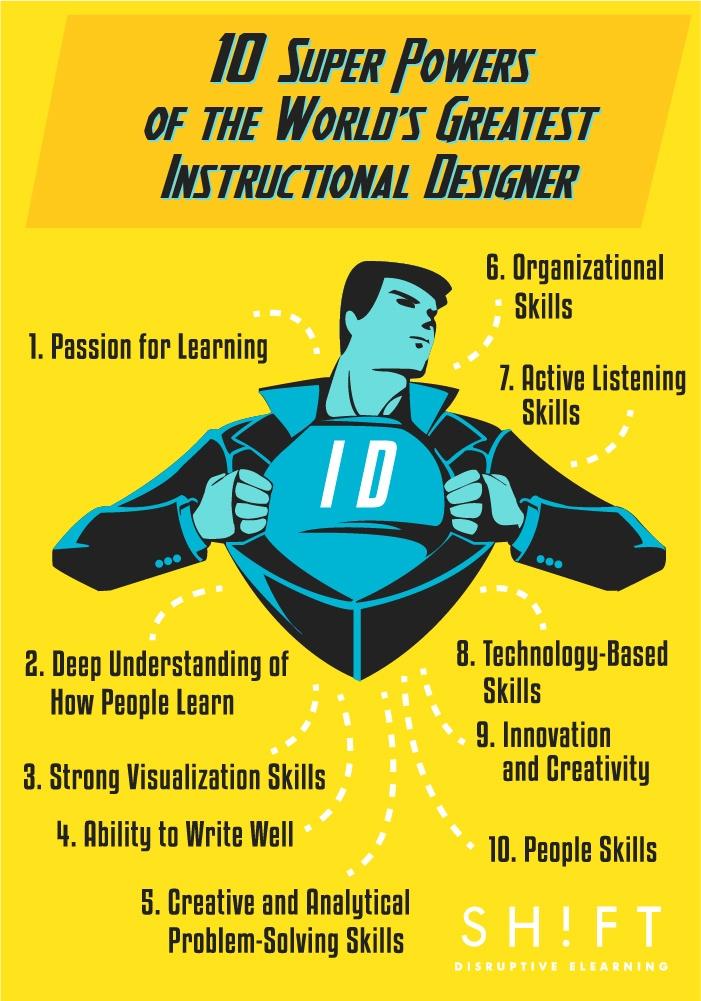
To excel as a Senior Instructional Designer,you need a blend of pedagogical expertise,technical skills,and interpersonal abilities. Let’s explore the most sought-after skills in the current educational job market:
1. Instructional Design Expertise
- In-depth knowledge of learning theories (e.g., constructivism, adult learning)
- Proficiency in backward design, ADDIE, and other course development models
- Experience creating rubrics, assessments, and learning activities
2. Technology skills
- Advanced proficiency with LMS platforms such as Canvas, blackboard, or Moodle
- Familiarity with authoring tools (Articulate storyline, Adobe Captivate, Camtasia)
- Understanding of SCORM, xAPI, and content interoperability standards
- Basic knowledge of web development, instructional video production, and multimedia editing
3. project Leadership and Collaboration
- Management of cross-functional teams and external vendors
- Strong communication and negotiation skills for mediating faculty and management interests
- Agile project management and iterative course development processes
4. Assessment and Evaluation
- data-driven analysis of learner performance and course efficacy
- Implementation of continuous improvement processes and metrics
5. Accessibility Laws and Worldwide Design
- Working knowledge of accessibility legislation (ADA, Section 508, WCAG)
- Designing courses to support learners with disabilities and multilingual needs
Qualifications and Education Requirements
To apply for a Senior Instructional Designer position in higher education or K-12 settings, candidates typically need:
- A master’s degree in instructional design, education technology, curriculum and instruction, or a related field
- 3–5 years of professional experience in instructional design, ideally within an academic setting
- Certifications such as ATD (Association for Talent Development), Certified Instructional Designer/developer, or related credentials are beneficial but not always required
- Demonstrable portfolio of designed courses, programs, or digital instructional resources
Career Progression and Job Outlook in Education Technology
The future is radiant for Senior Instructional Designers. The U.S. Bureau of labor Statistics projects robust growth for education technology-related occupations. With increased remote learning and digital change from K-12 to post-secondary environments, qualified professionals can expect:
- Competitive salaries, often ranging from $75,000 to $110,000 annually, depending on institution and location
- Opportunities to advance to Director of Instructional Design, Learning Experience Designer, or Chief Learning Officer
- Diverse roles in universities, community colleges, K-12 districts, online schools, or edtech companies
Benefits of Working as a Senior instructional Designer
- Impactful Work: Shape the quality and accessibility of education for thousands of learners
- Skill Development: Expand technological, pedagogical, and leadership skills through varied projects
- Professional Community: Collaborate with educators, technologists, and creative professionals
- Versatility: Many institutions offer remote or hybrid work options for instructional design teams
- Job Security: The strategic importance of these roles ensures ongoing demand in the education sector
Practical tips for Landing a Senior Instructional Designer Job
If you are preparing to apply for a Senior Instructional Designer position in 2024, these tips will help you stand out:
- Build Your Portfolio: Showcase your instructional design projects, online courses, and multimedia materials. A well-documented portfolio demonstrates your expertise and innovation.
- Stay Current: Keep up with the latest trends in edtech, such as AI in education, adaptive learning technologies, and gamification.
- Refine Your Soft Skills: Develop leadership, communication, and collaboration skills through networking, workshops, and professional development courses.
- Obtain Relevant Certifications: Credentials from recognized organizations (ATD,ISTE,or LXD certifications) can boost your resume.
- Engage with Professional Communities: Join associations, attend conferences, participate in webinars, and contribute to academic research or discussion forums.
- Customize Applications: Tailor your resume and cover letter for each institution, emphasizing your experience in educational settings and alignment with their mission.
Challenges and how to Overcome Them
Instructional design in education technology is rewarding, but it can present challenges. Here’s how you can prepare:
- Resistance to Change: Faculty and administrators may be wary of new technologies.Approach with empathy, training, and evidence of improved outcomes.
- Budget Constraints: Some schools have limited resources. Prioritize high-impact projects and advocate for innovative solutions that fit within budgets.
- Staying Ahead of Trends: Dedicate time to ongoing education—subscribe to edtech publications, take micro-credentials, and experiment with emerging platforms.
- Managing Multiple Stakeholders: Practise active listening and effective communication, building consensus among diverse groups.
Senior Instructional Designer Resume and Interview Tips
To secure a job in this competitive field, ensure your application materials highlight:
- Specific experience designing and implementing online or blended courses
- Quantifiable results such as improved student performance, higher course completion rates, or positive faculty feedback
- Technical expertise with LMS platforms and authoring tools
- Leadership roles in multidisciplinary teams or cross-institutional projects
- Commitment to diversity, equity, and inclusion in teaching materials and delivery
- clear, concise examples of project management and adaptability in fast-changing environments
During interviews, prepare to discuss your design philosophy, favorite tools, and how you address challenges in education technology environments.
Conclusion: Your Path to Success as a Senior Instructional Designer in 2024
A career as a Senior Instructional Designer is both impactful and evolving. For those passionate about educational innovation, this role offers a unique prospect to influence how learning happens in a digital age. To succeed in 2024, focus on developing your instructional design expertise, mastering technology tools, and cultivating strong leadership and collaboration skills. By leveraging these strategies and staying ahead of emerging trends, you’ll not only land the job but also contribute meaningfully to the future of education.
Ready to take the next step? Refine your skills, build your portfolio, and engage with the education technology community—your journey as a Senior Instructional Designer awaits!