
Software Engineer in EdTech: Career Path, Skills, and Opportunities
Education technology—or EdTech—has revolutionized how students, educators, and institutions approach learning and teaching. As universities, colleges, and schools increasingly adopt digital solutions, the demand for talented software engineers in EdTech continues to soar. Whether you’re exploring your first role or planning an exciting career transition, becoming a software engineer in EdTech offers a unique intersection of technology and education. In this guide, we’ll uncover everything you need to know about this rewarding career, including the career path, essential skills, benefits, and opportunities for advancement.
Why Pursue a Career as a Software Engineer in EdTech?
The education technology sector in universities, colleges, and schools offers tremendous growth and stability.EdTech not only enhances the learning experience through digital tools and platforms but also supports educational institutions in operating more efficiently and inclusively. Here’s why becoming a software engineer in EdTech is a compelling career choice:
- Purpose-Driven Work: Develop solutions that impact learners, educators, and communities worldwide.
- Job Security and growth: The ongoing digital transformation in education ensures robust job prospects.
- Continuous Learning: Stay abreast of emerging technologies and pedagogical innovations.
- Collaborative Environment: Work alongside educators, researchers, designers, and IT professionals.
Understanding the Role: Software Engineer in EdTech
Software engineers in the EdTech sector design, develop, and maintain applications, learning management systems (LMS), student facts systems, and digital courseware. Your contributions could affect millions of learners at universities, colleges, or primary and secondary schools. Some key duties of software engineers in EdTech include:
- Developing scalable educational platforms and web/mobile applications.
- Integrating assessment and grading tools with existing learning management systems.
- Implementing AI-driven personalized learning features.
- Ensuring data privacy and security for sensitive student information.
- Collaborating with instructional designers and educators to translate pedagogical needs into technical solutions.
Common job Titles
while “software engineer” is widely used, you may encounter titles such as:
- Full Stack Developer (Education Technology)
- EdTech Application Developer
- Educational Software Engineer
- EdTech Solutions Architect
- Web Developer for Schools/Universities
Career Path: How to Become a Software Engineer in EdTech
Your journey to becoming a software engineer in education technology typically involves the following steps:
1. Educational Qualifications
- Bachelor’s Degree: Most university, college, and school job listings require a bachelor’s in computer science, software engineering, information technology, or a related field.
- Relevant Certifications: Supplement your degree with certifications in cloud computing, security, or specialized programming languages relevant to EdTech (e.g., AWS Certified Developer, Google Cloud, Java, Python).
- Continuing Education: A master’s degree in educational technology or instructional design is a plus and may open paths to leadership roles.
2. Building Technical Experience
- Gain experience in software development through internships, entry-level roles, or personal EdTech projects.
- Contribute to open-source educational software or volunteer with school/university tech initiatives to build your portfolio.
- Stay updated with the latest EdTech trends, such as blended learning environments, gamification, and AI-driven education.
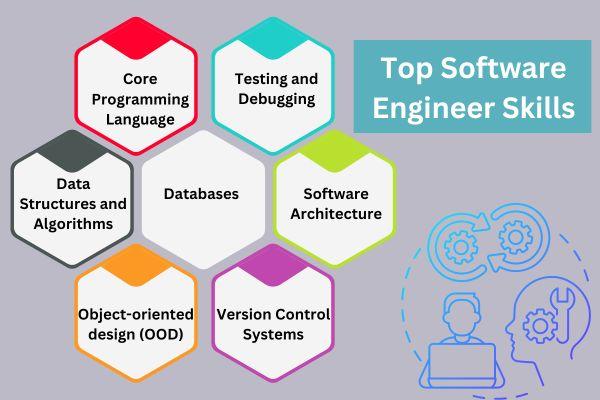
3. Mastering Key Programming Languages and Tools
- Frontend: JavaScript, React, Angular, HTML5, CSS3
- Backend: Python, Java, Node.js, Ruby, PHP
- Databases: SQL, NoSQL, MongoDB, PostgreSQL
- Mobile: Swift (iOS), Kotlin/Java (Android), Flutter
- Cloud Services: AWS, Google Cloud, Microsoft Azure
- Version Control: Git, GitHub
4. Apply for EdTech Roles
- Research universities, colleges, and schools actively investing in or expanding their EdTech initiatives.
- Customize your resume and cover letter to highlight both your technical expertise and your passion for educational innovation.
- Prepare for interviews by brushing up on EdTech case studies, software development best practices, and trends in digital education.
Essential Skills for EdTech Software Engineers
Besides core programming skills, software engineers in education technology should develop a diverse set of abilities that address the needs of educators and learners. The following skills are highly regarded:
Technical Skills
- Learning Management System (LMS) Integration: Familiarity with Moodle, Canvas, Blackboard, or custom LMS solutions.
- API development: Proficiency in creating and consuming RESTful APIs.
- UI/UX Design: Understanding accessible and intuitive design for a wide range of users, including those with disabilities.
- Security: Knowledge of data privacy laws (FERPA, GDPR) and secure software development practices.
- AI/machine Learning: Experience implementing adaptive learning algorithms, chatbots, or automated grading tools.
Soft Skills
- Interaction: Break down complex technical concepts for non-technical stakeholders.
- Collaboration: Work effectively with cross-disciplinary teams, including educators, administrators, and students.
- Problem-Solving: Address the dynamic challenges unique to digital learning environments.
- Adaptability: Stay responsive to rapid changes in education and technology.^
- Project Management: utilize Agile methodologies or similar frameworks to deliver projects on time.
Benefits of Working as a Software Engineer in EdTech
The benefits of pursuing a career in education technology extend well beyond competitive salaries and job security. Here’s what you can expect:
- Meaningful Impact: See your code drive positive educational outcomes for diverse communities.
- Career mobility: Opportunities span from K-12 schools to higher education and edtech startups.
- Remote & Flexible work: Many educational institutions offer hybrid or remote options.
- Creative Challenges: Innovate with VR, AR, gamification, and other emerging technologies in learning.
- Professional Development: Access to conferences, workshops, and tuition reimbursement for further growth.
Opportunities and Career advancement
Starting as a software engineer in education technology opens doors to various specialized and leadership roles, including:
- Lead software Engineer or IT manager in education settings.
- EdTech Product manager: Overseeing the development and launch of educational products.
- Solutions Architect: Designing integrated digital ecosystems for large universities or school districts.
- Director of Educational Technology: Setting digital learning strategies for institutions.
- entrepreneur: Launch your own EdTech startup or consultancy.
As education continues its digital transformation, skilled software engineers can expect ongoing demand and dynamic career growth.
Practical Tips for Job Seekers in EdTech
To maximize your chances of landing a software engineering job in EdTech at a university, college, or school, consider these practical tips:
Build a Specialized Portfolio
- include code samples, documentation, and demos of educational apps or digital tools.
- Summarize your contributions to open-source EdTech projects or hackathons.
Network with Education Technology Professionals
- Attend education technology conferences, webinars, or university-led tech meetups.
- Participate in online EdTech forums or university innovation networks.
Showcase Education-Focused Projects
- Highlight projects that improved student experiences,classroom efficiency,or accessibility.
- Emphasize impact metrics—such as improved user engagement or learning outcomes.
Stay Current and Certified
- Follow EdTech news, influential blogs, and educational research publications.
- Obtain certifications in cloud computing, cybersecurity, or instructional technologies.
Conclusion
Pursuing a role as a software engineer in education technology at a university, college, or school offers more than a fulfilling job—it’s a chance to influence the future of education. By mastering key skills,understanding the diverse opportunities,and building a specialized portfolio,you can carve your path in this vibrant field. With educational institutions rapidly embracing innovative technologies, now is the perfect time to launch your career in EdTech and help shape smarter, more inclusive learning environments for years to come.