
Software Engineer in EdTech: Transforming Education Through Innovative Technology
Are you passionate about technology and education? Do you dream of making a meaningful impact by leveraging your programming skills to enhance learning experiences? A role as a Software engineer in EdTech at universities, colleges, or schools can offer an exciting and fulfilling career path. In this article, we’ll explore how software engineers are transforming education through innovative technology, what skills and qualifications you need, the benefits of working in EdTech, and practical tips to land your dream job in this rapidly growing field.
Introduction to EdTech Software Engineering
The field of Education Technology (EdTech) is booming, driven by the increasing adoption of digital tools in classrooms and higher education institutions. Software engineers in EdTech play a critical role in developing applications, platforms, and tools that enhance the teaching and learning experience.From learning management systems (LMS) to collaborative platforms and AI-powered tutoring, software innovation is at the heart of modern education.
Why Choose a Career as a Software Engineer in EdTech?
Working as a Software Engineer in education offers the perfect blend of technical challenge and social impact. Here are some compelling reasons to pursue this career:
- Mission-Driven Work: Help students, educators, and institutions realize their full potential through impactful technology.
- Rapid Industry Growth: EdTech is one of the fastest-growing technology sectors worldwide.
- Innovation Opportunities: Work on cutting-edge technologies like AI, data analytics, gamification, and virtual reality.
- Stability and Security: Demand for EdTech solutions continues to rise, ensuring a steady need for talented software engineers in schools, colleges, and universities.
- Professional Development: Collaborate with educators and domain experts, expanding your skill set beyond coding.
Core Responsibilities of a Software Engineer in EdTech
Software engineers in educational technology settings may tackle a variety of projects. Typical roles and responsibilities include:
- Designing, developing, and maintaining educational applications and systems
- Collaborating with educators, instructional designers, and UX/UI teams to create user-kind tools
- Implementing features for interactive content, assessments, and reporting
- Ensuring accessibility and compliance with educational standards (such as WCAG and FERPA)
- integrating third-party tools—like video conferencing, gradebooks, and content libraries—into larger digital ecosystems
- Testing, debugging, and optimizing for performance and scalability
- Utilizing analytics to assess user engagement and learning outcomes
Essential Skills and Qualifications
To succeed as a Software engineer in EdTech, you should focus on developing a robust set of technical and soft skills:
technical Skills
- Proficiency in programming languages such as Python, JavaScript, Java, or Ruby
- Knowledge of web development frameworks (e.g., React, Angular, Django, or Rails)
- Familiarity with cloud platforms (AWS, Azure, Google Cloud) and DevOps practices
- Experience with RESTful APIs and database management (SQL, MongoDB, Firebase)
- Understanding of security, privacy, and compliance requirements in the education sector
- Basic knowledge of AI, machine learning, or data analytics is a plus
Soft Skills
- Strong communication skills for working with non-technical stakeholders
- Creative problem-solving and adaptability
- Empathy for end-users—students, teachers, and administrators
- Teamwork and collaboration across multidisciplinary teams
Educational Requirements
- Bachelor’s degree in Computer Science, Software Engineering, or related field
- Relevant certifications (such as AWS Certified Developer or google Associate Cloud Engineer) can be advantageous
- Experience with education or instructional technology is highly valued
Types of EdTech Projects in Universities, Colleges, and Schools
As a software engineer in higher education or K-12 settings, you might work on:
- Learning Management Systems (LMS): Creating or customizing platforms for course delivery, assignments, and grading.
- Online Assessment Tools: Building secure, interactive, and scalable testing environments.
- Student Information Systems (SIS): Developing tools for enrollment, attendance, and records management.
- Collaboration Platforms: Enabling communication and group work among students and faculty.
- Adaptive Learning platforms: Integrating AI to personalize learning experiences based on student performance.
- Gamified Learning Applications: Using game design principles to boost engagement and motivation.
- Accessibility Tools: Ensuring all learners, including those with disabilities, can access educational content.
Benefits of Working as a Software Engineer in EdTech
Pursuing a career in education technology offers unique advantages that extend beyond a typical engineering role:
- Purpose-Driven Career: Make a tangible difference in the lives of students and teachers.
- Flexible Work Arrangements: Many EdTech positions offer remote or hybrid working options.
- continuous Learning: Exposure to new teaching methodologies, educational theories, and the latest technologies.
- Diverse Work Environment: Collaborate with educators, administrators, and IT professionals from different backgrounds.
- Professional Growth: opportunities to transition into leadership, product management, or educational research.
Practical Tips to Land a Job as a Software Engineer in EdTech
If you’re considering applying for software engineering jobs in education technology, here’s how to maximize your chances:
1. Build a Relevant Portfolio
- Showcase educational app projects, contributions to open source EdTech tools, or LMS plugins.
- Highlight collaborations with educators or any freelance work in the sector.
2.Understand the Needs of Educators and Learners
- Familiarize yourself with educational challenges, such as remote learning, assessment fairness, and accessibility.
- Attend webinars or online courses related to educational technology.
3. Network in the EdTech Community
- Join professional groups, forums, and conferences focused on education technology.
- Engage on platforms where educators discuss their pain points and desired software features.
4. Stay Updated With EdTech Trends
- Follow trusted EdTech news sources, blogs, and academic journals to keep ahead of technology trends.
- Learn about regulations impacting educational technology such as data privacy laws.
5. Tailor Your Resume and Cover Letter
- Emphasize your technical skills, relevant projects, and passion for education.
- Use keywords like “software engineer in EdTech”,“education technology developer”,“LMS developer”,and “university technology jobs” to pass ATS screening.
Future Outlook for Software Engineers in Educational Technology
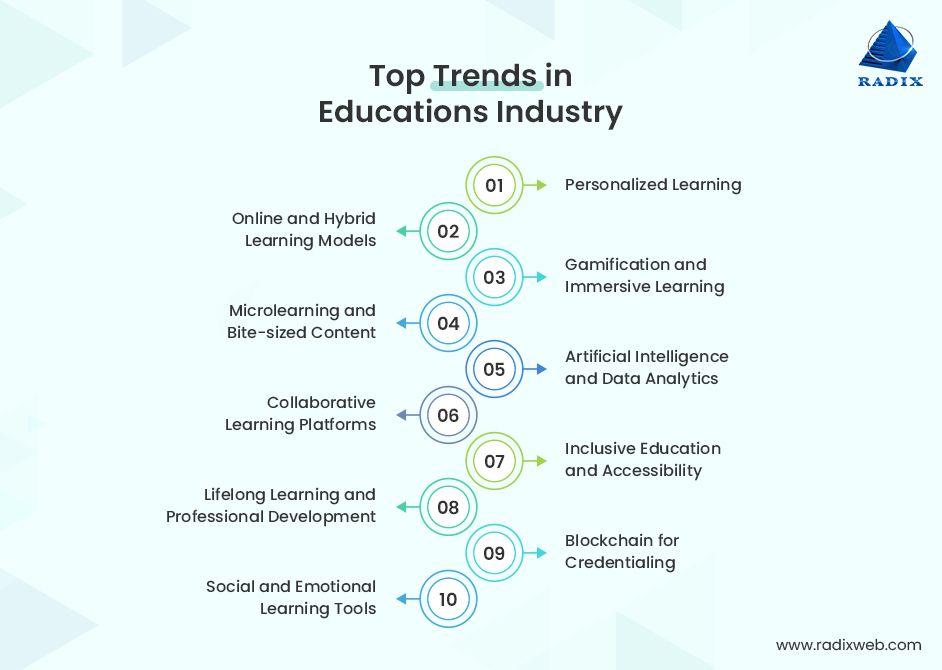
The demand for skilled software engineers in education technology is set to increase as academic institutions continue to digitize. New trends like AI-driven adaptive learning,virtual classrooms,blockchain for credentials,and immersive learning environments are creating new opportunities. Job seekers with relevant experience, a passion for learning, and a commitment to accessibility and inclusivity will find lasting and meaningful careers in this field.
Conclusion
Pursuing a career as a Software Engineer in EdTech positions you at the exciting intersection of technology and education. Whether you’re developing the next generation of learning platforms or innovating new teaching tools, your work has the potential to shape the future for millions of learners worldwide. By acquiring the right skills,building a strong network,and keeping pace with the latest trends,you can embark on a rewarding journey transforming education through innovative technology at universities,colleges,or schools. Take the first step today, and be part of the movement that’s making education accessible, engaging, and effective for all.