
Solutions Architect – Learning Technologies: Key Skills & Career Pathways Explained
Are you passionate about shaping the future of education through technology? The role of a Solutions Architect – Learning Technologies is rapidly gaining importance across universities, colleges, and schools. Whether you’re an experienced IT specialist aiming to transition into education, or an educator looking to deepen your impact through technology, understanding what it takes to thrive in this evolving field can unlock exciting career opportunities. In this detailed guide, we’ll dive into key skills, career pathways, benefits, practical tips, and more—empowering you on your journey to become a sought-after learning technologies solutions architect in higher education and K-12 settings.
What Does a Solutions Architect – Learning Technologies Do?
The Solutions Architect – Learning Technologies is a strategic and technical expert responsible for designing,implementing,and optimizing technology solutions that enhance teaching,learning,and student engagement. This role sits at the intersection of IT,pedagogy,and project management,bridging gaps between staff,students,administrators,and technology vendors,particularly within educational environments.
- Design and Integration: Architects build and connect systems like Learning Management Systems (LMS), digital assessment platforms, and collaboration tools.
- Innovation: evaluate and recommend emerging learning technologies for classrooms,online courses,and hybrid models.
- Stakeholder Dialogue: Act as the technical liaison between faculty,administration,IT departments,and third-party providers.
- Project Leadership: Led cross-functional teams for the rollout of education technology projects.
- Support & Training: Develop resources to train instructors and end-users on new systems.
Key Skills for Solutions Architects in Learning Technologies
To thrive in this specialized role, candidates must cultivate a combination of technical expertise, soft skills, and education-sector insight. Here’s what hiring managers look for:
1. Technical Proficiency
- LMS Expertise: Understanding platforms such as Blackboard, Canvas, Moodle, D2L Brightspace.
- Software architecture: Proficiency in system design, API integrations, cloud-based solutions (AWS, Azure, Google Cloud), and database management.
- Coding Skills: Familiarity with languages such as Python, Java, PHP, or JavaScript for customization and automation tasks.
- Cybersecurity: Knowlege of data privacy laws (FERPA, GDPR) and practices crucial to educational institutions.
2.Education Technology Acumen
- Awareness of blended and online learning models.
- Experience with e-learning content standards like SCORM, xAPI, and LTI integration protocols.
- Understanding accessibility and worldwide design for digital education tools.
3. Project Management & Leadership
- Ability to manage complex, multi-phase technology projects from conception to deployment.
- Familiarity with Agile, Scrum, or other project management methodologies.
- Strong documentation and reporting skills.
4. communication & Collaboration
- Extraordinary presentation and training abilities.
- Translating technical requirements for non-technical stakeholders.
- Facilitating workshops, Q&A sessions, and ongoing support for faculty and staff.
Qualifications and Pathways to Becoming a Solutions Architect in Education Technology
While requirements vary among institutions, common qualifications for a Solutions Architect – Learning Technologies include:
- Academic Background: Bachelor’s or master’s degree in Computer Science, Details Systems, Educational Technology, Instructional Design, or related fields.
- relevant Certifications: certificates (e.g., AWS Certified Solution Architect, Microsoft Certified: Azure Solutions Architect, Certified Educational Technology Leader) add credibility.
- Professional Experience: 3-7 years in IT, software growth, or educational technology roles, preferably within an academic habitat.
- Portfolio: Proven track record implementing and optimizing digital learning solutions.
Common Career Pathways
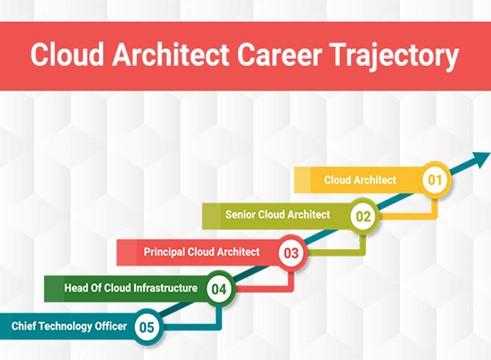
If you aspire to this role, consider these typical steps:
- Start in IT or EdTech Support: Gain foundational experience in education institutions, supporting existing systems or helping train users.
- move to Instructional Design or Tech Project Roles: Develop e-learning content, run pilot programs, or collaborate with faculty on technology adoption.
- Advance to Solutions Architecture: Lead the strategy, design, and integration of school-wide or university-wide learning technology initiatives.
- Progress to leadership: Roles such as Director of Learning Technologies, Chief Information Officer (CIO), or EdTech Consultant.
Benefits of a Career as a Solutions Architect – Learning Technologies
A career in educational technology architecture offers unique rewards:
- Making an Impact: Directly improve educational outcomes, accessibility, and engagement for tens of thousands of learners.
- Dynamic Work Environment: Collaborate with diverse teams across academia, IT, vendor partners, and student bodies.
- Continual Learning: Stay at the forefront of educational innovation—AI, adaptive learning, XR, and more.
- Strong Compensation: Competitive salaries and benefits, especially in universities or large school networks.
- Career Growth: Prospect to move into senior leadership or consulting roles with broader strategic influence.
Typical work Settings and Employers
Solutions Architects specializing in Learning Technologies are in high demand across a range of educational organizations:
- Public and private universities
- Community colleges and technical institutes
- K-12 school districts and networks
- Online education providers
- EdTech vendors serving educational institutions
Challenges in the Solutions Architect Role
- Balancing Innovation and Budget: Aligning cutting-edge solutions with existing resource constraints of schools or university departments.
- Managing Change: Overcoming resistance among faculty or staff to new technologies.
- Ensuring Data Security: Maintaining compliance with data protection standards while offering seamless access for users.
- Staying Current: Constantly learning to keep pace with rapid advances in education technology.
Practical tips for Job Seekers: How to Stand Out and Land the Role
1. Build Your Portfolio
- Showcase successful tech integrations or digital learning solutions you’ve led.
- Quantify outcomes—student engagement, adoption rates, or faculty satisfaction.
2. Stay Up-to-Date with Trends and Tools
- Subscribe to edtech news sources and attend webinars or conferences.
- Experiment with new platforms (e.g.,adaptive learning,gamification tools,AI-powered solutions).
3. Network in the Education Technology Space
- Connect on professional social platforms, participate in edtech meetups, and join online communities relevant to learning technologies.
- Find a mentor currently working as a Solutions Architect or in a related leadership role.
4. Customize Your Application
- Highlight skills and achievements that align specifically with the requirements and values of the university or school district.
- Share evidence of cross-disciplinary collaboration and adaptability.
5. Invest in Continuous Learning
- Earn certifications in cloud computing, project management, and edtech systems.
- Pursue short courses in instructional design, UX for e-learning, or data analytics for education.
Conclusion: Is a Career as a Learning Technologies Solutions Architect Right for You?
The demand for solutions Architects – Learning Technologies will only grow as digital transformation accelerates in higher education and schools worldwide. This role offers a unique chance to blend technical expertise with educational impact, guiding institutions toward more effective, inclusive, and innovative learning environments.
If you combine a passion for education with a love of technology and problem-solving, a career as a learning technologies solutions architect can be incredibly rewarding—both professionally and personally. Start by building your skills, expanding your network, and seeking out opportunities to design the future of learning. The journey is dynamic, meaningful, and packed with possibilities. Good luck as you take the next step toward empowering learners and educators through technology!