
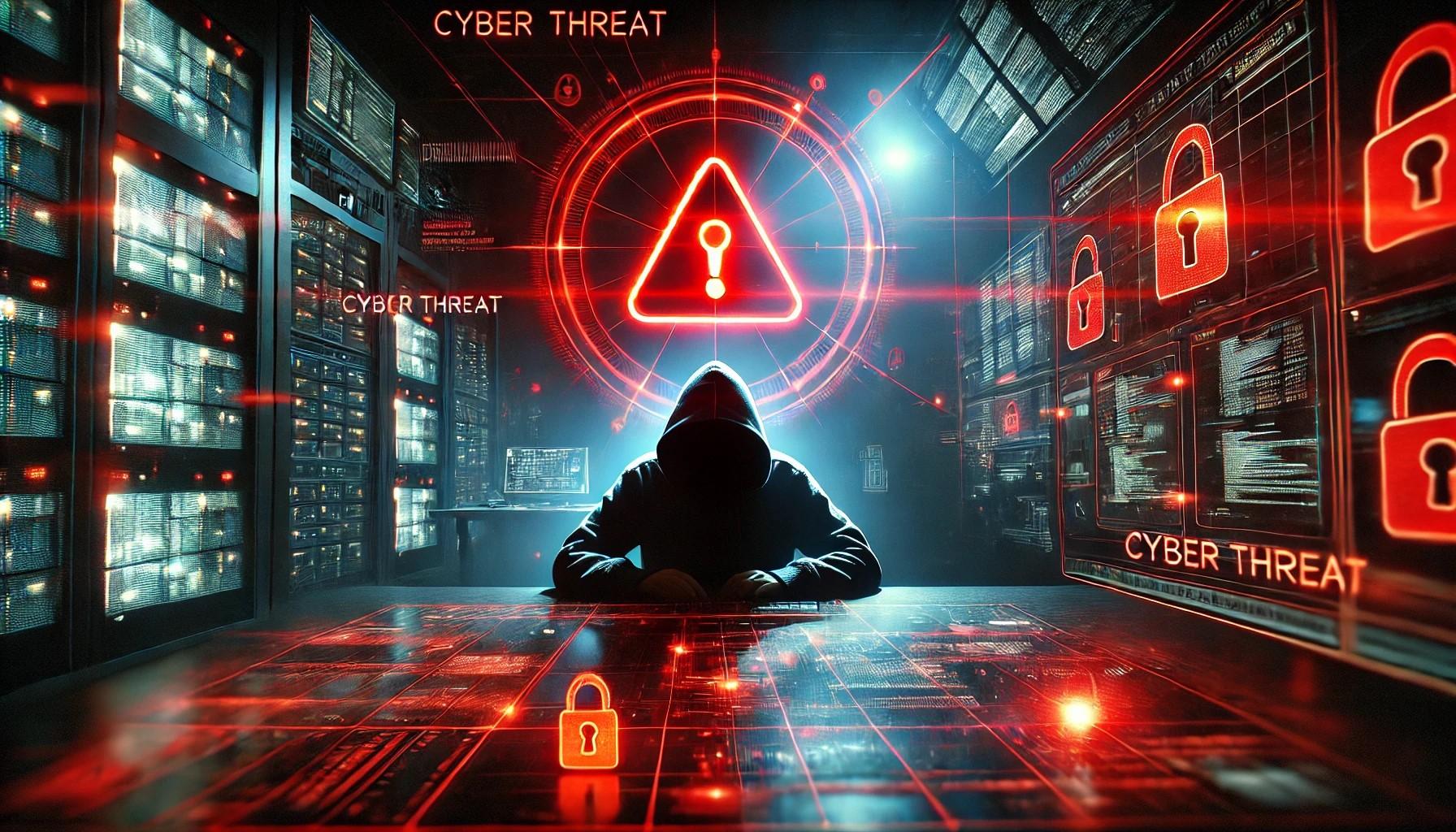
Strengthening Cybersecurity in Educational Institutions: Essential Strategies for Safer Schools
As educational institutions become increasingly reliant on digital tools and online learning platforms, the need for robust cybersecurity in schools is more critical than ever. With sensitive student data, confidential governance records, and essential dialogue systems at risk, schools face unique cybersecurity challenges. This guide explores essential strategies and practical tips for strengthening cybersecurity in educational institutions, ensuring a safer digital habitat for students, educators, and staff.
Why Cybersecurity Matters in Schools
Educational institutions are prime targets for cyberattacks due to the vast amount of valuable data they store. From K-12 schools to universities, attackers exploit vulnerabilities, leading to data breaches, ransomware incidents, and disruption of learning activities. As remote and hybrid learning models become the new normal,protecting sensitive student data and ensuring the integrity of educational IT systems is paramount. Failing to prioritize cybersecurity can result in reputation damage, financial loss, and legal repercussions.
Common cyber Threats Facing Educational Institutions
- Phishing Attacks: Deceptive emails lure staff or students to reveal passwords or install malware.
- Ransomware: Hackers encrypt data and demand payment to release it, halting school operations.
- Unauthorized Access: Weak login credentials allow intruders into internal systems.
- Data Breaches: Theft of student, faculty, or research data for malicious purposes.
- Denial-of-Service (DoS) Attacks: Attackers overwhelm networks, disrupting online classes and communications.
Understanding prevalent cyber threats in education is the first step in building effective defenses.
Essential Cybersecurity Strategies for Safer Schools
1. Cultivate a Culture of Cyber Awareness
- Cybersecurity Training: Implement regular training for staff and students. Cover topics like identifying phishing attempts, proper password usage, and social engineering risks.
- Clear Policies: Develop and communicate acceptable use and security policies, ensuring everyone understands their responsibilities in protecting school data.
2. Strengthen Access Controls
- Multi-Factor Authentication (MFA): Require MFA for accessing sensitive systems such as student facts databases and faculty portals.
- Role-Based Access: Grant permissions based on user roles, limiting data exposure to only what is necessary for each individual.
- regular Password Updates: Enforce strong, unique passwords and require periodic changes to minimize risks.
3. Secure Network Infrastructure
- firewalls & Intrusion Detection Systems: Install and update firewalls, and use intrusion detection tools to monitor and block suspicious activity.
- Segmentation: Separate networks for students, faculty, and guests to contain possible breaches.
- Regular Network Audits: Routinely assess and patch vulnerabilities in network devices and servers.
4. Safeguard Sensitive Data
- Encryption: Encrypt all sensitive data,both in transit and at rest,including student records,payment information,and communications.
- Strong Backup Procedures: Back up vital data routinely, store backups offline, and test restoration protocols regularly to minimize damage from ransomware.
5. Keep Systems and Software Up to Date
- Patch Management: Set up an automated system for regular updates of operating systems, applications, and hardware firmware to address vulnerabilities quickly.
- Approved Software Lists: Restrict installation of unauthorized applications on school devices.
Practical Tips for Improving school Cybersecurity
- Encourage Prompt Incident Reporting: Make it easy for staff and students to report suspicious activity—early detection can prevent major incidents.
- Regular Security Drills: Just as you practice fire drills, simulate cyberattack scenarios to reinforce response protocols.
- Limit Device Usage: Provide students and staff with school-managed devices whenever possible, reducing the risk brought by personal devices (“bring Your Own Device” policies).
- Control Physical Access: Secure IT rooms, server closets, and WiFi routers to prevent tampering or theft.
- Partner with Experts: Consider managed cybersecurity services or external audits for comprehensive risk assessment and ongoing support.
Benefits of Strong Cybersecurity in Educational Environments
- protects Student Privacy: blocks unauthorized access to personal,academic,and health records.
- Minimizes Disruptions: Prevents downtime and ensures continuity for online classes and school operations.
- Safeguards reputation: Maintains trust among parents, students, and the wider community by demonstrating a commitment to safety.
- Legal Compliance: Meets requirements of regulations such as FERPA,COPPA,and GDPR (where applicable).
- Empowers Digital Learning: Creates a secure environment where innovation and technology use can thrive without added risks.
Cybersecurity Case Study: How One school District Fought Back
In 2022, a large urban school district experienced a ransomware attack that encrypted critical systems and threatened to release sensitive student data unless a ransom was paid.By having secure data backups, enforcing multi-factor authentication, and conducting regular cybersecurity training among all staff, the district was able to restore it’s systems within days—without paying the ransom. This real-world example underscores the importance of layered cybersecurity strategies in schools, and how readiness can make all the difference when threats arise.
First-Hand Insights: Voices from the School IT Department
“When we rolled out security awareness workshops, we noticed an immediate drop in phishing incidents. our staff now double-check suspicious messages, and students are proactive about tech safety. Cybersecurity isn’t just an IT issue; it’s a whole community effort.”
— sarah J., School IT Coordinator
“After implementing network segmentation, any issue affecting student WiFi doesn’t impact administrative systems. This simple configuration change has made a significant difference in limiting the scope of potential breaches.”
— mike L., Network Administrator
Conclusion: Building a Cyber-Resilient School Community
The rapidly evolving digital landscape demands vigilant attention to cybersecurity in educational institutions. By investing in training, updating systems, enforcing strict policies, and staying ahead of emerging cyber threats, schools can protect student data, minimize disruptions, and foster a secure environment for learning and innovation. It’s not just about defending against attacks—its about empowering every member of the school community to play a role in creating safer, smarter educational spaces.
Now is the time to evaluate your school’s cybersecurity posture, implement best practices, and encourage a culture of digital obligation.Together, we can ensure that our schools remain strongholds of safety—both in the physical and virtual worlds.