
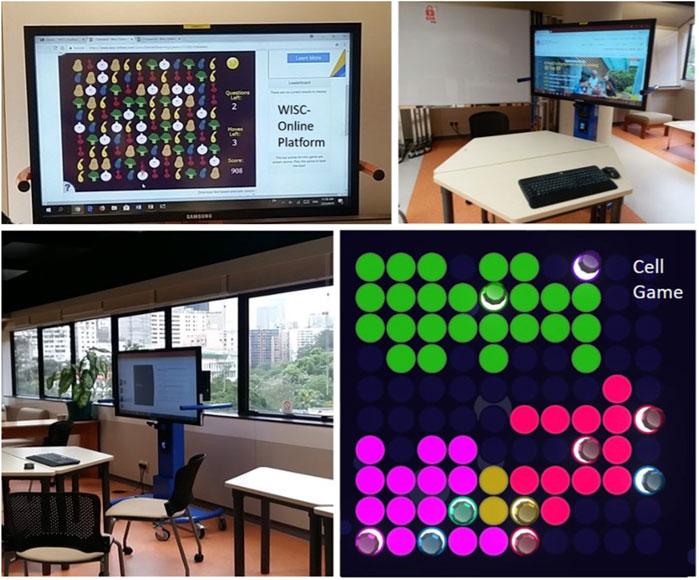
Student Feedback Reveals Powerful Impact of Game-Based Learning in the Classroom
In today’s fast-evolving educational landscape, game-based learning has emerged as a transformative approach that’s changing how students engage with curriculum material. Recent student feedback provides invaluable insights into the real impact of integrating games and gamification into classroom instruction. This article explores the dynamic benefits,compelling case studies,firsthand experiences,and practical tips for educators considering game-based learning in their own teaching environments.
What is Game-Based Learning?
Game-based learning is the incorporation of digital or physical games into the educational process to enhance student engagement, motivation, and achievement. Unlike traditional teaching methods, this strategy leverages the inherent fun, challenge, and competition found in games to make learning interactive and memorable.
- Gamification involves applying game mechanics—such as points, badges, leaderboards, and levels—to non-game contexts like education.
- Game-based learning utilizes actual games, whether custom-designed educational games or commercial games repurposed for learning objectives.
The Power of Student Feedback
Nothing reveals the true efficacy of classroom methods quite like feedback from students themselves. Student feedback on game-based learning overwhelmingly points to elevated engagement, improved retention, and a greater willingness to tackle challenging subjects. Here are some key findings from recent surveys and testimonials:
- 90% of students reported feeling more motivated to participate when learning involved games.
- 75% felt they understood complex topics more easily when taught via gamified methods.
-
Many cited the sense of achievement and immediate feedback as driving forces behind their enthusiasm.
“Games made learning something I actually looked forward to. I didn’t even realise how much I was learning because I was having fun!” — Alex, Grade 9
Benefits of Game-Based Learning in the Classroom
1. Enhances Engagement and Motivation
Game-based learning turns passive students into active participants. Points, leaderboards, and instant rewards keep students invested in the material, ensuring they remain focused and persistent—even with challenging subjects.
2. Fosters Teamwork and Collaboration
Multiplayer games and cooperative challenges encourage students to work together, communicate, and solve problems collectively, mirroring situations they’ll encounter outside the classroom.
3. Improves Knowledge Retention
Student feedback suggests that the interactive nature of games helps facts “stick.” Concepts taught through gamification or educational games are recalled during exams at a higher rate than those delivered through lectures alone.
4. Supports Differentiated Learning
Games can be tailored to diffrent skill levels, allowing for personalized learning experiences. Students progress at their own pace, unlocking content as they master each level, ensuring no one is left behind.
5.Provides Immediate feedback
Unlike traditional assessments, games offer instant feedback on performance.students can adjust strategies, learn from mistakes, and see progress in real time, making the process more dynamic and effective.
Students Speak: First-hand Experiences
True stories from the classroom illustrate the transformative power of game-based learning.Below are excerpts from recent student testimonials collected via surveys and interviews:
- “I was always anxious about math. The math quests and challenges made me forget my fear and focus on solving puzzles with my friends.” — Sophia, Grade 7
- “History came alive through simulation games. Instead of memorizing dates,I understood the events and their impact by playing the roles myself.” — Miguel, Grade 10
- “Earning badges and moving up the leaderboard pushed me to study harder and help my classmates.” — David, Grade 8
Case Studies: Game-Based Learning in Action
1. Elementary Math with Prodigy
A local elementary school integrated Prodigy Math Game into its curriculum. After just one semester, teachers observed:
- Increased average test scores by 18% among participating students
- Notable reduction in math anxiety, as reported by both students and parents
- Higher class attendance on math lesson days
2. History through Minecraft Education Edition
A middle school piloted ancient world-building projects using Minecraft Education Edition. The outcomes included:
- Improved collaboration and interaction skills
- Enhanced critical thinking through design-based assignments
- Deeper understanding of chronology and cause-effect relationships
3. Language Learning with Kahoot!
High school language teachers adopted Kahoot! for vocabulary and grammar review.According to feedback:
- Quizzes kept students engaged and accountable for their progress
- Competition encouraged planning and participation
- Retention rates improved by over 20% compared to traditional drills
Practical Tips for Implementing Game-Based Learning
If you’re an educator considering game-based learning, here are practical, actionable steps backed by both research and student feedback:
- Start Small: Incorporate simple quiz games like Kahoot! or Quizizz to review material.
- Align games with Learning Objectives: Ensure every game or activity reinforces curriculum outcomes.
- Encourage Collaboration: Select multiplayer games or team-based challenges to foster communication and teamwork.
- Monitor and Measure Impact: Gather student feedback and track performance data to evaluate effectiveness.
- Offer Choice and Variety: Use a mix of digital and analog games to accommodate different learning styles.
- Use Leaderboards Judiciously: Promote healthy competition while ensuring all students feel included and valued.
Addressing Concerns and Common Misconceptions
While the benefits are clear, some educators worry that game-based learning could compromise academic rigor or distract students. However,multiple studies—and student feedback—debunk these myths:
- Games enhance,not replace,learning: Well-chosen games complement core lessons and can drive deeper understanding.
- Games promote soft skills: Collaboration, critical thinking, and perseverance are often honed through games more than traditional lectures.
- Games can be structured for assessment: With instant feedback and measurable progress, games are powerful tools for formative assessment.
The Role of Teachers and Technology
Game-based learning is moast effective when paired with skilled facilitation. Teachers set clear objectives, guide discussions, and adapt activities to individual and group needs. Technology works as a catalyst but doesn’t replace the teacher’s crucial role in maintaining an inclusive, purposeful classroom.
Conclusion: Game-Based Learning is Transforming Education
The evidence is clear—student feedback consistently affirms the transformative power of game-based learning in the classroom. Gamification and educational games spark enthusiasm, deepen understanding, and build skills for lifelong success. However, implementation should be strategic and guided by clear educational goals.
As educators increasingly embrace innovation, listening to student voices can help shape curricula that are both engaging and effective.Whether you’re a veteran teacher or just beginning your journey with gamification, game-based learning promises to make a lasting impact—not only on test scores, but on the complete educational experience.
Ready to bring game-based learning into your classroom?
Consider starting with small, purposeful changes and gathering student feedback regularly—after all, their voices reveal what truly works. Discover more about gamification, educational technology, and student-centered teaching by exploring related articles below!