
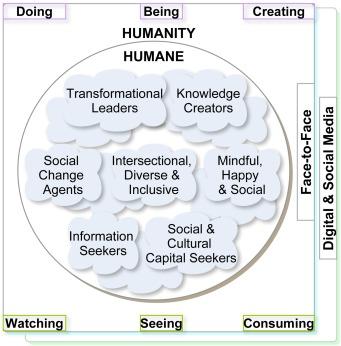
Student Perspectives: Real Experiences and Insights into Online Learning
Online learning has transformed the educational landscape, opening up countless opportunities for students worldwide to access knowledge, develop skills, and connect with educators beyond traditional classroom boundaries. but how do students actually feel about online education? In this article, we dive deep into student perspectives on online learning, sharing authentic experiences, challenges, benefits, and insightful tips straight from learners themselves. Whether you’re a student, educator, or curious parent, these real voices shine a light on both the promise and pitfalls of e-learning in 2024 and beyond.
Understanding Online Learning: What Do Students Really Think?
The surge in online courses,distance learning,and virtual classrooms,particularly since the COVID-19 pandemic,has prompted widespread reflection on how online education shapes the student experience.Numerous surveys,interviews,and personal stories reveal a spectrum of opinions that range from excited endorsement to candid critique.
The Benefits of Online learning: Student Insights
- Flexibility: Students consistently praise the ability to learn at their own pace, fitting classes around part-time work, family commitments, or other responsibilities.
- Accessibility: Online learning breaks down geographical and physical barriers, offering quality education to students in remote or underserved communities.
- Self-Directed Learning: Many report increased motivation and independence,mastering time management and digital collaboration skills essential for future careers.
- Wide Range of Resources: Digital libraries, video lectures, and interactive media enhance understanding and retention, catering to various learning styles.
- Cost-Effectiveness: Eliminating commuting and campus living expenses makes higher education more affordable and sustainable for a wider audience.
“The flexible structure of online classes allowed me to balance my job and studies without sacrificing either. It empowered me to take control of my education and my future.”
— Priya, Business Administration student
Challenges Faced by Students in Online Education
Alongside the many advantages, students also highlight significant challenges unique to online learning environments:
- Isolation: Many miss the camaraderie and spontaneous social interactions of campus life, which can lead to feelings of loneliness or detachment.
- Motivation: Without the structure of in-person schedules, some students struggle with procrastination, distraction, or a lack of immediate accountability.
- Technical Issues: Unstable internet connections, outdated hardware, or unfamiliar software can create barriers to full participation, especially in live classes.
- Communication Gaps: Despite chat forums and video calls, some find it harder to clarify concepts or connect with instructors outside physical classrooms.
- Assessment Anxiety: Online exams and open-book formats can feel less secure and sometimes less fair, sparking concerns about academic honesty and evaluation methods.
“Not having in-person discussions with my peers made me feel disconnected at times.I had to work twice as hard to build new friendships and network online.”
— Jordan, Computer Science undergraduate
Case studies: Real student Experiences with Online Learning
case Study 1: From Rural Nepal to Global Classrooms
Maya, a 21-year-old student from a remote Nepalese village, shares,
“Attending university online meant I could learn from acclaimed professors without leaving my family or community. It was challenging at first — especially with patchy internet — but the sense of connection through virtual study groups made it possible.”
Case study 2: Balancing Parenthood and Study
With two toddlers at home, Samuel enrolled in an online Master’s program after being laid off. He explains,
“Online classes fit within my erratic schedule as a parent. Some days were chaotic, but recorded lectures and flexible deadlines helped me keep up while caring for my kids.”
Case Study 3: overcoming Disability Barriers
Lauren, who is visually impaired, says,
“Accessible online learning tools — like screen readers and captioned videos — allowed me to engage with course content on my terms. I hope more universities invest in these technologies.”
Practical Tips from Students for Online Learning Success
- Establish a Routine: Designate regular study times and stick to a schedule to build good habits and avoid procrastination.
- Create a Dedicated Study Space: Minimize distractions by setting up a quiet, organized workspace for classes and assignments.
- Engage Actively: Participate in online discussions, ask questions, and join virtual study groups to foster connections and deepen learning.
- Use Digital Tools: Take advantage of productivity apps, calendar reminders, and note-taking software like Notion or Evernote.
- Seek Support: Don’t hesitate to reach out to professors, academic advisors, or peers when facing challenges — support systems exist even online.
- Prioritize Self-Care: Incorporate breaks, exercise, and social interaction into your routine to maintain mental and physical health.
“finding a virtual accountability buddy really helped me stay on track. We checked in daily and motivated each other to keep working toward our goals.”
— Amina, Marketing major
Looking Ahead: The Future of Online Learning
As technology continues to evolve, so too do the expectations and experiences of students in virtual classrooms. Key trends include:
- Enhanced Interactivity: Gamification, VR/AR tools, and live polling are making online courses more engaging and immersive.
- Personalized Learning Paths: AI-driven platforms can tailor lessons to student progress, promoting mastery at an individual pace.
- Global Collaboration: International virtual teams prepare students for remote work and multicultural understanding, skills valued by employers worldwide.
- Prioritizing Equity & Accessibility: Institutions are investing more in accessible learning materials and closing the digital divide.
Conclusion: Embracing the Diversity of Student perspectives
The shift to online learning isn’t a one-size-fits-all journey. Student perspectives on online education reveal both tremendous potential and significant challenges — and the most prosperous learners are those who adapt, seek connection, and advocate for their needs. By sharing honest experiences, practical tips, and real-life stories, we hope to empower current and future students to thrive in the digital classrooms of tomorrow.
If you’re exploring online degree programs, considering a switch from traditional courses, or supporting students through this transition, remember: a community of learners worldwide is navigating this evolving landscape with resilience and innovation.
For more insights, resources, and updates on online learning, bookmark our blog and join the conversation in the comments below!