
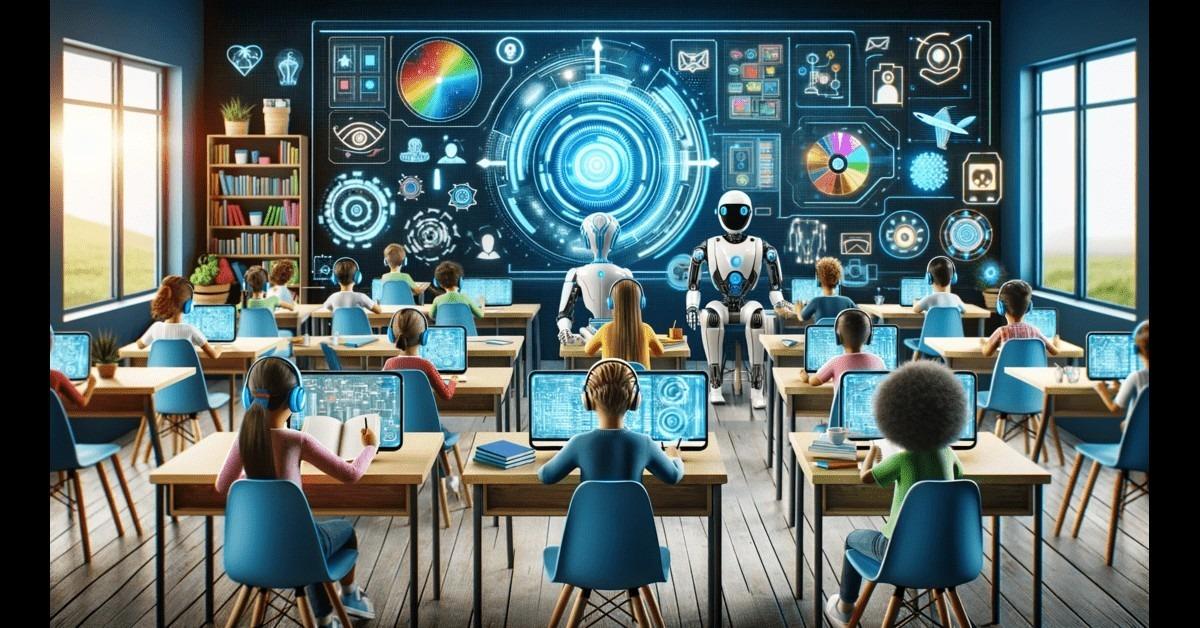
Student Perspectives Revealed: Insights and Real Experiences with Online Learning
The digital revolution has dramatically changed the way we learn. With the rapid growth of online education, students’ voices and experiences are more crucial than ever to shape the future of virtual classrooms.In this article, we dive deep into student perspectives on online learning, sharing firsthand insights, real challenges, and actionable tips to help learners and educators alike make the most of remote education.
Introduction: the Rise of Online Learning
Over the past decade, online learning has transitioned from a niche alternative to a mainstream educational platform. This shift accelerated following global events such as the COVID-19 pandemic, which compelled millions of students to pursue their studies from home. While online learning offers remarkable benefits, it also comes with unique challenges that only those immersed in these digital classrooms fully understand.
By exploring student testimonials and practical insights, we aim to answer critical questions: What is it truly like to study online? What works, what doesn’t, and how can students make the most of virtual learning environments?
Key Benefits: Advantages of Online Learning According to students
Despite initial skepticism, a significant number of students now view online education positively. Hear are some of the most notable benefits identified through recent surveys and student interviews:
- Flexibility: The ability to set your own schedule and learn at your own pace is the top advantage cited by students.
- Accessibility: Online learning breaks down geographical barriers, providing access to quality education nonetheless of location.
- Catering to Diverse Learning Styles: E-learning platforms often incorporate multimedia,interactive content,and adaptive tools,enabling personalized learning experiences.
- Self-Discipline and Responsibility: Many students report that online learning fosters valuable life skills, such as time management and self-motivation.
- Cost-Effectiveness: Eliminating the need to commute and reducing costs related to housing or materials are considerable perks for budget-conscious students.
Quotes from Real Students:
“Being able to re-watch lectures and access resources anytime helps me ensure I really understand the material.”
— Sarah, University Student
“I have a part-time job and online classes allow me to balance work and study more efficiently.”
— Alex,Community College Student
Challenges Faced: Honest Student experiences with Online Learning
While online education is praised for its flexibility,it does present unique obstacles. According to numerous student perspectives, the most common challenges include:
- Lack of Social Interaction: Many learners miss in-person discussions, networking, and spontaneous help from classmates or teachers.
- Motivation and Engagement: Some students find it tough to stay engaged without the physical structure of a classroom.
- Technical Difficulties: Inconsistent Wi-Fi, outdated devices, or unfamiliar platforms can add to the stress of learning.
- Procrastination: Self-guided learning can sometimes lead to procrastination, especially for those who thrive on external deadlines and reminders.
- limited Feedback: Delays in responses from instructors and less interactive assignments are noted setbacks.
Students Share Their Real-World Struggles:
“It’s too easy to get distracted at home. Sometimes I miss the classroom habitat and group energy.”
— Emma,High School Senior
“The hardest part isn’t the material,but keeping up with assignments without reminders from teachers.”
— David, Distance Learning Student
Case Studies: Firsthand Experiences with Online Learning
Case Study 1: Overcoming Technical Barriers
Lina’s Story: Lina, a first-generation college student, faced significant challenges due to unreliable internet connection and outdated hardware in her rural hometown. Resolute not to fall behind, Lina leveraged free campus resources, downloaded lecture materials in advance, and connected with peers through group chats.
Key Takeaway: Resourcefulness and seeking support from instructors or IT services can definitely help bridge technical gaps in online learning.
Case Study 2: Struggling with Isolation
Jake’s Story: Jake, an extroverted student, struggled with the lack of face-to-face interaction. He actively participated in online forums, joined virtual study groups, and even attended video-based extracurricular clubs hosted by his university. Over time, Jake built a digital social circle and rekindled his motivation.
Key Takeaway: proactively seeking connections online can transform an isolating experience into a collaborative one.
Top Practical Tips: How to Thrive in Online Learning
Leveraging student feedback, here are practical online learning tips and strategies to enhance your virtual classroom experience:
-
Create a Dedicated Study Space:
Having a quiet, distraction-free area physically reinforces your learning intentions.
-
Establish a Routine:
Stick to a regular daily schedule to maintain motivation and structure.
-
Set Short-Term Goals:
Breaking down large tasks into manageable chunks keeps overwhelm at bay.
-
Stay Connected:
Don’t hesitate to reach out to classmates and professors via forums, chat, or scheduled virtual meet-ups.
-
Leverage Tech Tools:
Use productivity apps, reminders, and collaborative platforms to stay organized and engaged.
-
Ask for Feedback:
Regularly seek comments from instructors to track your progress and clarify doubts promptly.
-
Practice Self-Care:
Remember to take regular breaks, eat well, exercise, and prioritize mental health.
Comparing Online and Traditional classroom Experiences
Based on aggregated student perspectives, online learning can’t (and isn’t meant to) replace the traditional classroom entirely. Instead, students note that it serves as a powerful supplement or alternative, especially for:
- Working adults or parents returning to education
- Students with health or mobility limitations
- Learners seeking a self-paced, skills-based approach
- People residing in remote or underserved areas
However, when social connectivity, laboratory work, or experiential learning is critical, the traditional classroom remains irreplaceable for now.
Frequently Asked Questions about Student Experiences with Online Learning
-
Is online learning as effective as in-person classes?
Research indicates outcomes vary. Highly motivated, disciplined students often thrive, while others may struggle without external structure.
-
How do students stay motivated in online classes?
Building routines, connecting with peers, and setting clear goals are essential strategies.
-
What tools can help improve online learning?
Tools like Google Classroom, Zoom, Trello, Notion, and Pomodoro timers are popular among students.
Conclusion: The Evolving Student Experience in the World of Online Learning
Online learning has opened doors for millions, offering unparalleled flexibility and access. However, its success depends greatly on self-motivation, resourcefulness, and support networks. By listening to diverse student perspectives and learning from real experiences, educational institutions and learners alike can work to maximize the benefits of this digital revolution.
No two online learning journeys are the same, but by understanding the insights and practical tips from those who have navigated virtual classrooms, students can confidently move forward, make informed choices, and fully leverage the transformative power of remote education.