
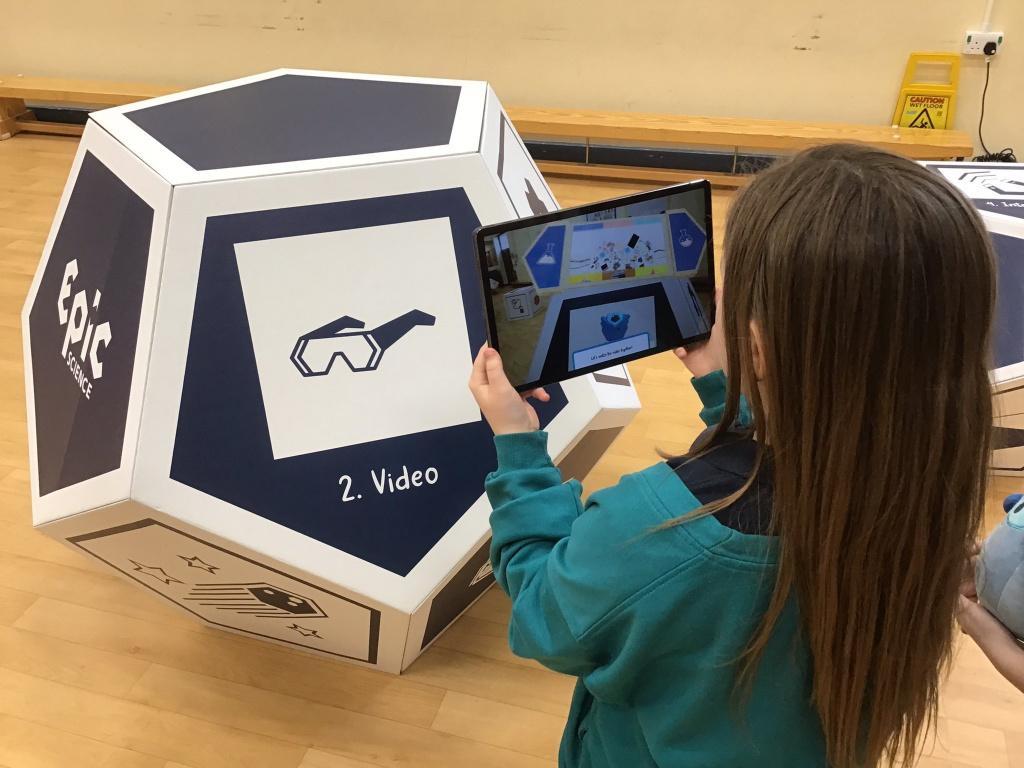
Successful VR/AR Case Studies in Schools: Real-world Classroom Transformations
In today’s rapidly-evolving educational landscape, Virtual Reality (VR) and Augmented Reality (AR) have carved out a niche for themselves as powerful, transformative teaching tools. By fostering immersive learning environments, these technologies offer students the chance to experience lessons more engagingly and memorably than ever before. In this article, we will delve into successful VR/AR case studies in schools, highlighting real-world classroom transformations and providing actionable insights for educators seeking to enhance their own teaching methods.
Why VR and AR are Revolutionizing Education
schools globally are turning to VR and AR to bridge gaps in customary instruction, enhance visualization, and stimulate student curiosity. These technologies bring abstract concepts to life, foster deeper student engagement, and allow educators to offer previously unachievable experiences—think walking on Mars or dissecting a virtual frog without leaving the classroom.
- Enhanced Engagement: Visual and interactive learning increases student focus and motivation.
- Deeper Understanding: Complex topics become more comprehensible through immersive simulations.
- Collaboration & Creativity: AR/VR tools encourage teamwork and imaginative problem-solving.
- Accessibility: Students with special needs benefit from individualized, sensory-rich lessons.
Case Study 1: “Expedition to Mars” – Bringing Space to the Classroom
School: Eastlake Elementary, California
Context: Eastlake Elementary aimed to enhance their science curriculum with experiential learning. Partnering with a VR startup, the school integrated a “Journey to Mars” simulation for fifth-grade students.
- Implementation: Teachers led a sequence of lessons culminating in a virtual field trip to Mars’s surface, where students could explore landscapes, analyze rock formations, and interact with peers in real-time.
- Outcomes: Students demonstrated increased enthusiasm and curiosity for planetary science. Post-activity assessments revealed a 30% enhancement in knowledge retention compared to previous years.
- Educator’s Experience: according to Ms. Garcia, “The VR expedition sparked questions and discussions that didn’t happen before. Kids felt like real space explorers!”
Case study 2: “History Reimagined” – AR Ancient Timelines
School: Lincoln Middle School, Illinois
context: History classes often struggle to translate timelines and ancient events into relatable stories for students. Lincoln Middle School introduced AR-enabled posters and tablet apps to tackle this challenge.
- implementation: AR apps overlaid multimedia content onto classroom displays. Students scanned posters to access interactive 3D models, animated battle scenes, and documentary clips.
- Results: 85% of students reported that AR made history lessons more interesting and easier to understand. Standardized test scores in history improved by 22%.
- Teacher’s Feedback: “My students talk about King tut or the Battle of Gettysburg as if they were actually there,” shared Mr. Patel, history instructor.
case Study 3: “AR for Inclusive Learning” – Special Education change
School: Harmony academy, Texas
Context: Harmony Academy serves students with diverse learning needs. The school piloted AR worksheets and speech therapy games specially designed for students with auditory and visual impairments.
- Strategy: Educators used AR overlays on worksheets, allowing students to hear instructions and see animations synchronously.
- Impact: Students showed a marked improvement in literacy and communication skills. Those with speech delays advanced two reading levels within a semester.
- Firsthand Experience: Speech therapist Ms. Finch noted, “AR breaks down barriers, making lessons feel fun and accessible for every student.”
Benefits of VR/AR in the Classroom
The integration of VR and AR technologies is not just about excitement—it delivers measurable improvements in student outcomes, collaboration, and teacher innovation.
- Personalized Learning: Adapts to student’s pace and preferences, supporting differentiated instruction.
- Safe Exploration: Lets students tackle “dangerous” activities (lab experiments, historical reenactments) risk-free.
- Global collaboration: Connects classrooms worldwide for joint projects, language exchanges, and cultural exploration.
- Retention Boost: Immersion leads to higher information retention,as validated in various case studies.
Practical Tips for Implementing VR/AR in Schools
Ready to bring VR and AR into your classroom? Here are some actionable steps to drive successful transformation:
- Start small: Pilot with one lesson or module before scaling up school-wide.
- Select Age-appropriate apps: Choose content tailored to curriculum and student maturity.
- Invest in Teacher Training: Host workshops or partner with tech providers to boost faculty comfort and skills.
- Monitor and Assess Outcomes: Use surveys, quizzes, and classroom observations to measure effectiveness and gather feedback.
- Ensure Accessibility: Choose VR/AR tools that offer adaptive features for students with special needs.
Firsthand Experiences: Voices from the Classroom
Nothing illustrates impact better than real voices. Here’s what educators and students say about VR/AR classroom transformations:
“Experiencing World War II in VR transported me into the middle of history—it felt real, and made me value what I was learning.”
—Jasmine, Grade 8 Student
“AR math games changed everything for my students struggling with attention. Suddenly,solving equations became a game they wanted to win.”
—Mr. Lee, Math Teacher
Challenges and Future Outlook for VR/AR in Education
while these technologies hold enormous promise, educators face hurdles, including:
- Cost and Resource Constraints: High-quality VR equipment and AR apps can be expensive or require robust IT infrastructure.
- Technical Training: Teachers need adequate training to maximize VR/AR potential.
- Content Availability: Some subjects or grade levels may have limited tailored VR/AR content.
Despite these challenges, industry trends suggest rapid advancements and more affordable, user-kind solutions ahead.Schools that embrace VR/AR early are likely to see lasting academic and engagement benefits.
Conclusion: Transform Your Classroom with VR/AR
Today’s successful VR/AR case studies in schools demonstrate how innovative classrooms can unlock new learning horizons, boost student enthusiasm, and foster lifelong skills. As VR and AR technology grows increasingly accessible, educators are empowered to create richer, more personalized learning experiences. Drawing insights from real-world implementations—and embracing practical tips shared above—schools can step confidently into a future where immersive,interactive learning is the new norm.
Ready to transform your classroom? Start small,invest in training,and watch your students’ curiosity and achievement soar—just like those featured in these inspiring VR/AR case studies.
Want more inspiration? Explore new resources and tutorials about VR/AR in schools on our blog. Share your own classroom transformation stories or reach out for expert advice!