
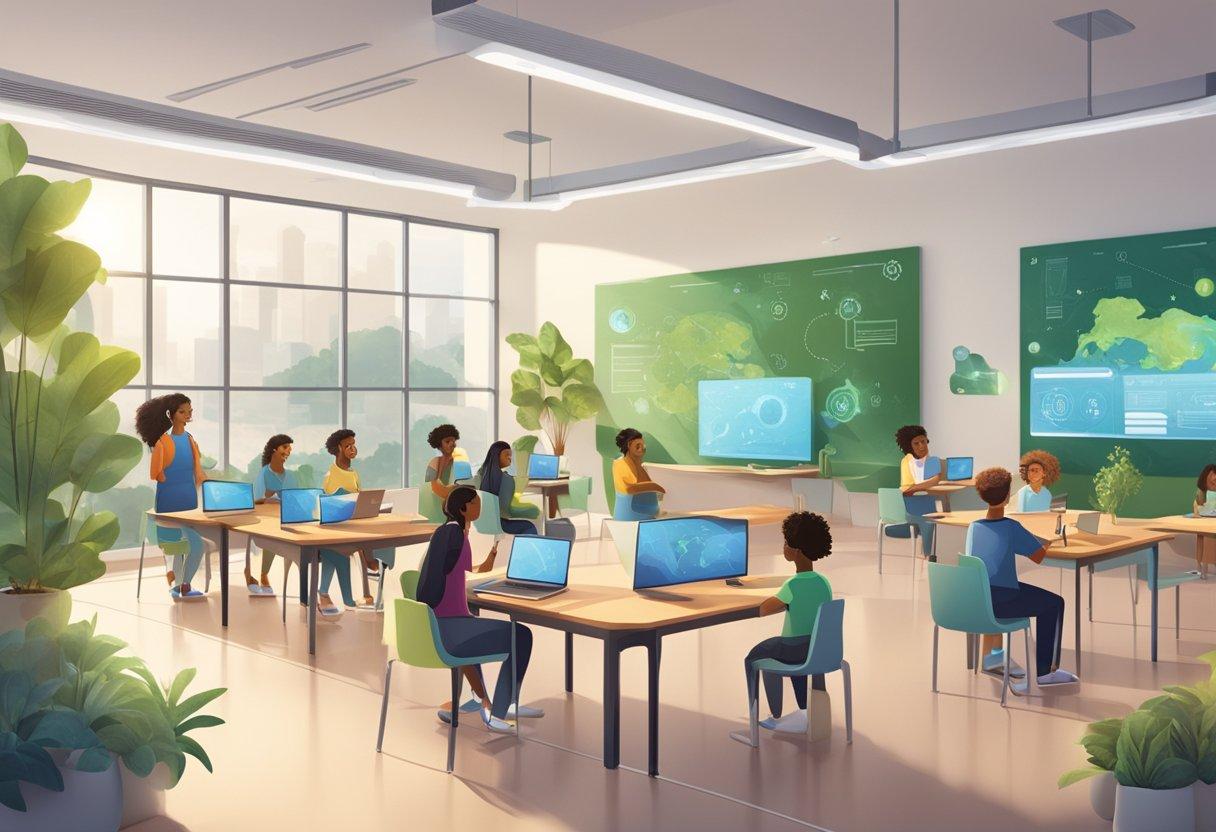
Sustainable Technologies in Education: Transforming Classrooms for a Greener Future
Teh rapid advancement of technology has brought profound changes to education, but with these developments comes a pressing need for sustainability. Sustainable technologies in education are not just about innovation—they are about creating learning environments that nurture both students and the planet. In this article, we’ll explore how eco-friendly technologies are transforming classrooms, providing schools with practical solutions to reduce environmental impact and shape a greener future for generations to come.
What Are Sustainable Technologies in education?
At its core, sustainable technology in education refers to the adoption of tools, systems, and practices that minimize environmental harm while boosting teaching and learning effectiveness. This involves:
- Energy-efficient devices: using computers,tablets,and interactive whiteboards designed to consume less power.
- Digital resource management: Replacing paper-based assignments, tests, and textbooks with digital solutions.
- Renewable energy usage: Powering school infrastructure with solar,wind,or geothermal energy.
- Waste reduction strategies: Implementing recycling, composting, and upcycling policies.
- Green building design: Constructing and retrofitting classrooms with eco-friendly materials for better insulation and energy management.
By integrating these solutions,educators and policymakers are paving the way for more sustainable education systems worldwide.
Benefits of Sustainable Technologies in the Classroom
Investing in sustainable technologies may require an initial commitment, but the returns are significant. Here are the key benefits:
- Reduced Environmental Footprint: Digital platforms and e-books help reduce paper usage and deforestation.
- Lower Operational Costs: Schools save on energy, water, and materials, translating to significant long-term cost reductions.
- Enhanced Learning Experiences: Green classrooms frequently enough have better air quality, lighting, and acoustics, improving student well-being and engagement.
- Promotion of Environmental Awareness: Students learn firsthand about sustainability,fostering responsible global citizens.
- Future-Ready Skills: Exposure to modern, sustainable technologies prepares students for eco-conscious workplaces.
Key Sustainable Technologies Making an Impact
The following innovations are revolutionizing how schools operate and instruct:
1. Solar-Powered Classrooms
Solar panels harness clean energy to power lighting, heating, ventilation, and electronic devices in schools. Not only does this reduce carbon emissions, but solar-powered infrastructure can also serve as a practical learning tool in STEM education.
2. Interactive E-Learning Platforms
Platforms like Google Classroom, Moodle, and Microsoft Teams enable digital collaboration and workflow management, substantially decreasing paper usage and streamlining resource sharing.
3.Energy-Efficient Hardware
Modern devices, such as LED projectors and ENERGY STAR-rated laptops, use less power and have longer lifespans, helping schools lower their energy consumption and electronic waste.
4. Smart Environmental Monitoring
IoT-enabled sensors monitor classroom temperature, air quality, and lighting, optimizing building management and reducing needless energy use. Smart thermostats and automated lighting further streamline resource efficiency.
5. Green Building Materials
Low-emission paints, recycled insulation, and sustainably sourced wood or bamboo are being used in classroom construction or renovations to lower toxic emissions and support sustainable supply chains.
Real-World Case Studies: Greening Schools in Action
Green School Bali
Green School Bali is an internationally acclaimed institution that runs on renewable energy and is built primarily from bamboo and other sustainable materials.The school integrates environmental consciousness into its curriculum, inspiring students to develop eco-friendly projects—such as composting systems and recycled plastic initiatives.
Solar4Schools UK program
Across the UK, the Solar4Schools programme equips schools with solar panels. Participating schools have seen electricity bills cut by up to 60% annually and provide hands-on lessons about solar energy for students.
Mountain View–Los Altos High School district (CA,USA)
This school district invested in energy-efficient lighting,sensors,and water-saving fixtures while rolling out district-wide one-to-one Chromebook initiatives,resulting in a dramatic decrease in their paper and power consumption.
Practical Tips: How Educators Can Implement Sustainable Technologies
Ready to take the first step? Here are actionable tips to embrace green technologies in your own classroom or school:
- Start Small: Upgrade classroom lighting to LEDs and enable double-sided printing as default to cut energy and paper use.
- Go Digital: Utilize learning management systems (LMS) to distribute and collect assignments, reducing reliance on paper handouts.
- Promote Device Sharing: Encourage shared use of computers and tablets rather than one-device-per-student, minimizing electronic waste.
- Integrate Environmental Education: Incorporate sustainability themes into standard curriculum across subjects.
- Maintain and Recycle Devices: Set up e-waste collection points and educate students on responsible disposal of electronics.
- Involve the Community: Partner with local businesses and government programs for funding and support in green technology adoption.
Challenges and How to Overcome Them
While the advantages of sustainable technologies are clear, schools may face challenges including budgetary constraints, limited technical expertise, and resistance to change. Here’s how to address these challenges:
- Seek Grants and Subsidies: Many governments and NGOs offer financial assistance for green initiatives in education.
- Prioritize Professional development: Invest in staff training to ensure the effective use and maintenance of new technologies.
- Adopt a Phased Approach: Implement sustainability changes gradually to manage costs and allow for adaptation.
- Share Success Stories: Celebrate and communicate wins—no matter how small—to encourage broader buy-in from teachers, parents, and students.
The Future: Cultivating the Next Generation of Eco-Innovators
As climate challenges grow, the role of sustainable technologies in education becomes even more critical. By transforming classrooms today,we’re preparing students to tackle tomorrow’s environmental issues with empathy,creativity,and technological savvy. Schools are not only cutting their carbon footprints—they’re helping to nurture the next generation of bold,responsible innovators.
Conclusion
Sustainability in the classroom isn’t a far-off goal—it’s a present-day imperative. By leveraging sustainable technologies in education,schools can empower students,save resources,and inspire an enduring commitment to environmental stewardship. As educators, students, and communities work together, we can turn today’s schools into models for a greener, brighter future. Start your journey toward eco-friendly education today, and be a part of the change.