
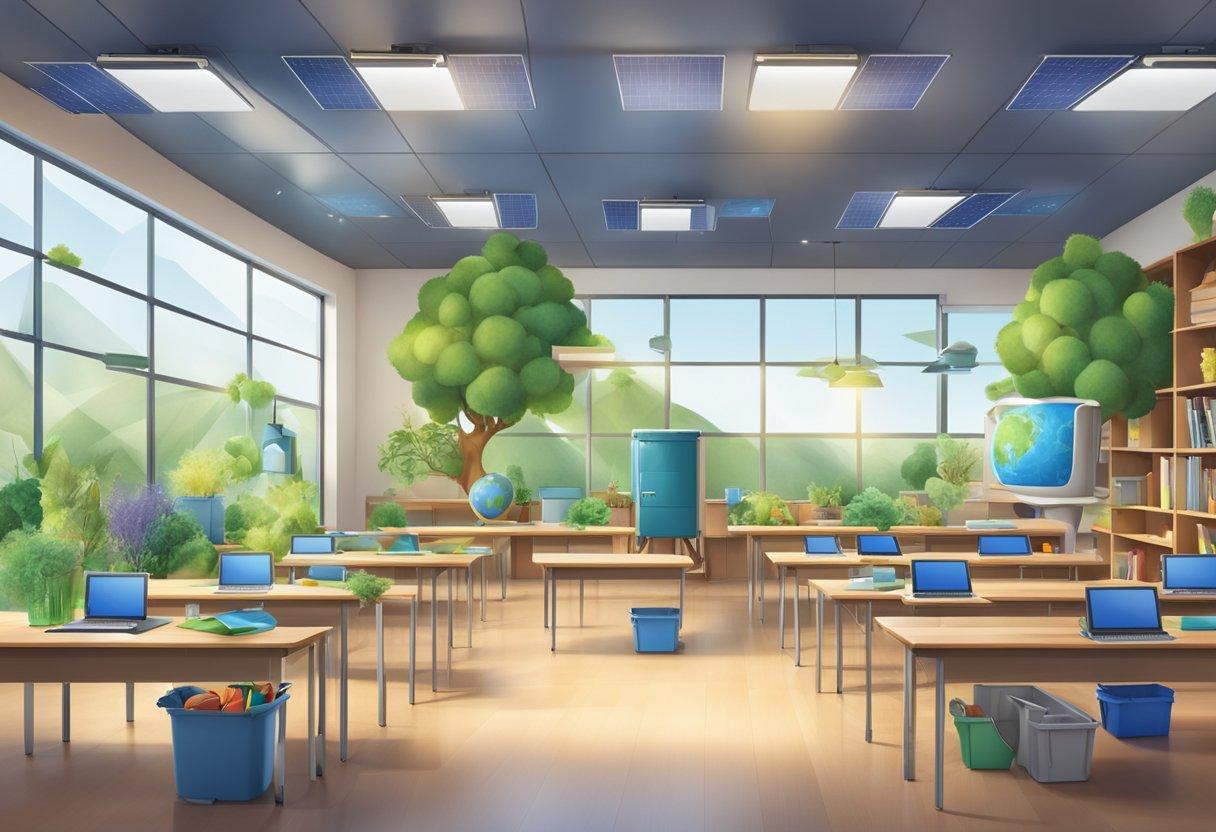
Sustainable Technologies in Educational Settings: Innovations shaping Green Classrooms
In response to global environmental concerns, educational institutions are turning to sustainable technologies to create greener, healthier, and more efficient classrooms. From energy-saving devices to eco-friendly learning resources, these innovations are not only reducing schools’ environmental impact but also fostering a culture of sustainability among students.In this article, we’ll explore how sustainable technologies are being integrated into educational settings, the benefits they bring, inspiring case studies, and practical tips for implementing eco-friendly solutions in your own classroom.
Table of Contents
- Introduction
- Key Innovations Shaping Green Classrooms
- Benefits of Sustainable Technologies in Education
- Practical Tips: Adopting Sustainable Technologies
- Case Studies: Green success Stories in Schools
- Conclusion: Envisioning the Future of Green Classrooms
Why Sustainability Matters in Education
As educators,administrators,and decision-makers focus on creating impactful learning environments,the adoption of sustainable technologies in educational settings has become more critical than ever. These innovations not only help reduce operational costs and environmental footprints, but also empower students to become environmentally conscious citizens. Today’s green classroom goes beyond recycling bins and energy-saving bulbs—it’s a hub of intelligent, connected, and responsible technology solutions.
Key Innovations Shaping Green Classrooms
The integration of sustainable technologies in schools is transforming the way education happens. Here are some of the most impactful innovations equipping classrooms for a greener future:
1. Energy-Efficient Lighting and Smart Controls
- LED Lighting: schools are replacing conventional fluorescent lights with LED fixtures, which use up to 75% less energy and last considerably longer.
- Smart Sensors: Automatic occupancy sensors and daylight harvesting systems optimize lighting only when and where it’s needed,cutting down power usage and expenses.
2.Renewable Energy Integration
- Solar Panels: Many educational campuses now harness solar energy,installing panels on rooftops or carports to generate electricity for classrooms and facilities.
- Wind Turbines: In suitable locations, wind power supplements energy needs, often incorporated into science curricula as hands-on learning opportunities.
3. Sustainable Classroom Design
- Green Building Materials: Recycled, non-toxic, and low-emission construction materials create healthier learning environments and reduce the carbon footprint of new builds or renovations.
- Efficient HVAC Systems: Modern, energy-saving heating and cooling systems coupled with advanced air filtration improve both comfort and air quality.
4. Digital Learning and Paperless Classrooms
- Tablets & e-Readers: Replacing textbooks with digital devices cuts down on paper use,printing,and logistics.
- Learning Management Systems (LMS): Platforms like Google Classroom or Moodle enable assignment sharing, grading, and feedback in digital format.
5. water Conservation Technologies
- Low-Flow fixtures: installing low-flow toilets and faucets significantly reduces water consumption, helping campuses save money and conserve resources.
- Smart Irrigation: Automated systems that monitor weather patterns and soil conditions help maintain green spaces efficiently.
6.Waste Reduction and recycling Solutions
- Digital Submissions: Encouraging electronic submissions for assignments and projects minimizes printing and copying needs.
- Composting programs: Food and paper waste can be composted on-site, and the resulting compost used in school garden projects.
Benefits of Sustainable Technologies in Education
Adopting sustainable technologies in educational settings brings far-reaching advantages for schools, students, and the planet. Here’s how green innovations positively impact educational communities:
- lower Operating Costs: Sustainable energy sources slash utility expenses, freeing up funds for resources and programs.
- Improved Student Health and performance: Better air quality, natural lighting, and toxin-free materials contribute to enhanced focus, reduced absenteeism, and higher academic achievement.
- Hands-On Learning Opportunities: Green classrooms double as living laboratories, where students learn about renewable energy, recycling, and sustainable practices firsthand.
- Community and Environmental Impact: Schools become sustainability role models in their communities, inspiring students and families to adopt eco-friendly habits.
- Support for Educational Goals: Integrating sustainability into curricula helps fulfill STEM learning objectives and fosters critical thinking and problem-solving skills.
Practical Tips: Adopting Sustainable Technologies in Classrooms
Transitioning to sustainable technologies does not have to be overwhelming.Here are actionable strategies for schools and educators to start building green classrooms, even on a budget:
Start small, Scale Up
- Begin with low-cost initiatives such as switching to LED bulbs, setting up recycling stations, or reducing paper use.
- Track energy and water usage to identify high-consumption areas and prioritize upgrades.
Secure Grants and Funding
- Research local government grants, utility rebates, or green education incentives to fund sustainability projects.
- Partner with community organizations or environmental nonprofits to access expertise and additional funding.
Engage students and Staff
- Form a “green team” of students and teachers to champion sustainability initiatives and lead awareness campaigns.
- Incorporate eco-friendly practices and lessons into the curriculum, from science experiments to art projects using recycled materials.
Leverage Technology and Data
- Use smart metering technologies to monitor real-time energy and water usage, setting performance goals and tracking progress.
- Experiment with digital resources and platforms to reduce reliance on physical materials.
Design for Flexibility
- Choose modular furniture made from sustainable materials that can be easily reconfigured to support collaborative and project-based learning.
- Utilize indoor plants and natural light wherever possible to improve ambiance and air quality.
Case studies: Green Success stories in Educational Settings
Several schools and universities serve as trailblazers by successfully implementing sustainable technologies in their educational settings. Let’s explore two inspiring case studies:
Case Study 1: The greenest School in America (Springfield, MO)
W. W. Carson Elementary in springfield stands as a prime example of sustainable school design. Key features include:
- Onsite solar arrays providing more than 80% of the school’s electricity needs.
- Geothermal heating and cooling systems lowering energy bills by 50%.
- Rainwater harvesting systems used for irrigation and toilet flushing.
The school reported ample savings on utility costs and improved student performance attributed to better indoor air quality and abundant natural light.
Case Study 2: Digital Learning in Urban Schools (New York City)
the NYC Department of Education launched a program to move classrooms toward digital-first resources:
- Implementation of tablets and Chromebooks for students, leading to a 70% reduction in paper and print-related expenses.
- Online collaboration and assignment submission streamlined communication and workflow.
- Increased access to digital textbooks and interactive modules, supporting differentiated instruction and reduced environmental impact.
The program’s success highlights how technology adoption enhances both learning outcomes and sustainability.
Conclusion: Envisioning the Future of Green Classrooms
As the educational landscape evolves, the integration of sustainable technologies in educational settings is becoming a defining feature of the modern classroom. These green innovations not only reduce costs and environmental impacts but also shape students into forward-thinking, environmentally responsible leaders.
By embracing energy-efficient solutions, digital resources, and eco-friendly practices, schools can create vibrant, healthy learning environments that benefit students, staff, and the wider community. whether you’re launching a small recycling initiative or constructing a net-zero energy building, every step towards a sustainable classroom counts.
Let’s work together to champion green education and ensure that innovation and sustainability go hand-in-hand, laying the foundation for a brighter, greener future for all.