
Technical Product Manager in Education Technology: Key Skills, Role Overview, and Career Path Guide
Introduction
As education technology continues to revolutionize the way students learn and teachers deliver instruction, the demand for skilled Technical Product Managers (TPMs) in universities, colleges, and schools has soared. If you’re eager to shape the future of learning and foster digital transformation in education, a role as a technical Product Manager in EdTech could be the perfect fit. This comprehensive guide will walk you through the essential skills,primary responsibilities,benefits,and the career path for aspiring TPMs in the education sector.
What Does a Technical Product Manager Do in Education Technology?
A technical Product Manager in the education technology field acts as a bridge between the technical teams and the educational stakeholders. Their core responsibility revolves around driving the development, deployment, and continuous improvement of digital products such as Learning Management Systems (LMS), online assessment tools, digital content platforms, and interactive classroom technologies.
Key Responsibilities Include:
- Translating educational needs into technical product requirements.
- Collaborating wiht educators, administrators, IT professionals, and students to define product vision and features.
- Leading cross-functional teams comprising developers, UX/UI designers, QA testers, and content specialists.
- Managing product lifecycles from ideation through to launch and ongoing enhancements.
- Conducting user research, analyzing feedback, and prioritizing product backlogs accordingly.
- Ensuring seamless integration of EdTech solutions with existing university or school technologies.
- Monitoring product performance and leveraging analytics to drive data-informed decisions.
- Staying abreast of the latest EdTech trends, compliance, and regulatory changes in education.
Essential Skills for Technical Product Managers in edtech
Succeeding as a Technical Product Manager in education technology requires a diverse skill set blending technical acumen, educational insight, and leadership capabilities. Here’s a closer look at the critical skills you need:
Technical Skills
- Product Development: Understanding of product development methodologies (Agile, Scrum, Kanban).
- Software Engineering Basics: Familiarity with coding, software architecture, apis, and integrations—especially as they apply to EdTech platforms.
- data Analysis: Ability to interpret analytics and user metrics to improve learning solutions.
- Systems thinking: Mapping out how digital products fit into the broader educational ecosystem.
Educational & Sector Knowlege
- Learning Theories: Awareness of pedagogical approaches and how technology enhances learning.
- Institutional Processes: Understanding workflows within schools, colleges, or universities.
- Compliance: Knowledge of FERPA, GDPR, ADA, and other data privacy regulations in education.
Business & Leadership Skills
- Project Management: Excellent organizational and time management abilities.
- Strategic Thinking: Aligning product goals with institutional objectives and student outcomes.
- Stakeholder Engagement: Effective communication and collaboration with diverse groups (faculty,IT,students,vendors).
- User Advocacy: Keeping educators’ and students’ needs at the forefront of product development.
Interpersonal & Soft Skills
- Adaptability in a dynamic and rapidly evolving sector.
- Problem-solving and critical thinking.
- Ability to lead teams and influence without direct authority.
- Empathy for end-users—teachers, students, and administrators.
Career Path: How to Become a Technical product Manager in EdTech
There is no single path to entering the world of education technology as a Technical Product Manager, but most TPMs share similar academic and professional experiences. Here’s a step-by-step overview of a typical career journey:
1. Educational Background
- Bachelor’s degree in computer science,data technology,education,or a related field is often required.
- Advanced degrees in education, EdTech, or business administration can provide a competitive edge.
2. Build Relevant Experience
- Technical Roles: Start in software development, IT, QA, or support roles within EdTech companies or academic institutions.
- Product Involvement: Gain experience working with or managing educational products, platforms, or tools.
3. Gain product Management Skills
- Attend product management workshops, online courses, or obtain certifications (e.g., Certified Scrum Product Owner, Pragmatic Institute).
- Volunteer for project leadership, requirements gathering, or beta testing initiatives within your institution.
4. Specialize in Education Technology
- Deepen your understanding of learning outcomes, educational standards, and technology trends driving digital transformation in education.
- Participate in EdTech conferences, seminars, or communities to build lasting networks and stay informed about sector innovations.
5. Apply for TPM Roles
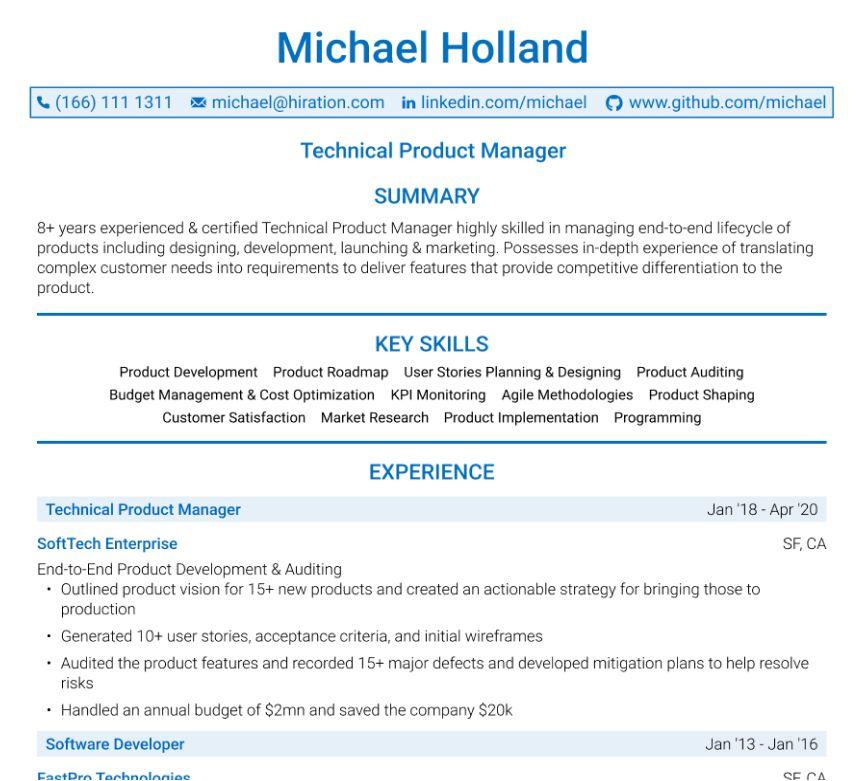
- Tailor your resume to highlight product experience, technical proficiency, and a clear understanding of educational environments.
- target positions at universities, schools, EdTech startups, or consultancies working with academic clients.
Benefits of Working as a Technical Product Manager in Education Technology
A career as a Technical Product manager in higher education technology or K-12 EdTech brings a host of professional and personal rewards:
- impactful Work: Directly influence how students learn and how educators teach using innovative digital tools.
- Dynamic Industry: Work in a sector that is fast-evolving and filled with opportunities to innovate.
- Collaboration: Engage with passionate professionals—from teachers to IT developers—who share a commitment to education.
- Professional Growth: Expand your leadership,technical,and strategic skill sets on high-visibility projects.
- Strong Job Outlook: Increasing investment in EdTech by schools, colleges, and universities is fueling high demand for skilled TPMs.
Practical Tips for Aspiring EdTech Technical Product Managers
- Stay curious: Constantly explore emerging technologies like AI, adaptive learning, and digital classrooms to anticipate future needs.
- Empathize with Users: Spend time interacting with both students and educators to understand their challenges and expectations.
- Build a Portfolio: document your projects, leadership roles, and product launch successes—a strong case study portfolio can set you apart.
- Join EdTech Communities: Engage in online groups or local meetups to network and learn from peers and industry leaders.
- Sharpen Communication: Develop clear, concise communication skills to bridge the gap between technical jargon and educational goals.
- Stay Agile: Become proficient in Agile or Scrum frameworks, as most educational institutions and EdTech companies adopt iterative workflows.
Conclusion
The role of a Technical Product Manager in education technology at universities, colleges, or schools is both challenging and deeply rewarding. By blending technical know-how, strategic thinking, and a passion for improving learning outcomes, TPMs play an essential role in advancing digital education. With the right skills, experience, and drive, you can thrive in this dynamic career and make a meaningful impact on the future of education.
If you’re passionate about EdTech products and eager to drive innovation in higher education or K-12 environments, now is the perfect time to embark on the journey to become a Technical Product Manager in education technology.