
Technical support Specialist in education Software: Key Skills, Roles & Career Paths
Are you interested in helping shape the future of education by supporting digital learning environments? A career as a technical Support Specialist in Education Software at universities, colleges, or schools can make a significant impact, combining technology with educational advancement. In this extensive guide, we’ll cover what it takes to excel in this rewarding role— from essential skills and daily duties to career progression opportunities. Whether you are starting out or switching careers,read on to get insider tips and detailed insights.
Introduction: What is a Technical support Specialist in Education Software?
A Technical Support Specialist in Education Software is a pivotal figure in academic institutions, ensuring seamless operation and user satisfaction with digital tools and platforms. These professionals troubleshoot technical issues related to learning management systems, classroom collaboration applications, assessment platforms, and more. With the rapid adoption of technology across education sectors, the demand for experts in educational software support is higher than ever.
Key Skills Required for Technical Support Specialists
To thrive in this role,you’ll need a blend of technical prowess,customer service acumen,and an understanding of how technology integrates into educational settings. Here are the primary skills required:
- Technical Knowledge: Familiarity with popular education software (e.g., Blackboard, Canvas, Moodle, Google Classroom) and operating systems (Windows, macOS, iOS, android).
- Problem-Solving Abilities: Diagnosing, analyzing, and resolving software-related issues promptly and effectively.
- Communication Skills: Explaining complex technical details in a clear,pleasant manner to educators,administrators,and students.
- Customer Service Orientation: Providing patient,empathetic,and solution-focused support.
- Attention to Detail: Documenting issues, tracking resolutions, and following up for feedback.
- Training Expertise: Delivering user training sessions, informational materials, and documentation.
- Understanding of Educational Needs: Recognizing how software integrates into curriculum and teaching methods.
- Adaptability: Keeping up-to-date with technology trends and adapting to new tools and updates.
Desirable Certifications and Education
- Associate or Bachelor’s degree (Information Technology, Computer Science, Educational Technology preferred)
- Industry certifications (CompTIA IT Fundamentals, Microsoft Certified: Desktop Support Technician, Google Certified Educator, etc.)
- Relevant vendor/product certifications in major education software platforms, if available
Main Roles and responsibilities
As a technical support specialist, your responsibilities will centre around ensuring technology works smoothly for all users throughout the institution. Typical tasks include:
- Direct Technical Assistance: Responding to tickets, emails, and calls from faculty, staff, and students to resolve software or device issues.
- Troubleshooting and Diagnostics: Investigating system errors, software bugs, login problems, and compatibility issues.
- software Installation and Configuration: Setting up digital learning platforms, updating educational software, and configuring devices for optimal use.
- User Training and Documentation: Creating step-by-step user guides, FAQs, and leading workshops or webinars for new features or system upgrades.
- System Monitoring: Keeping an eye on critical systems for outages, delays, or performance issues and escalating matters when needed.
- Maintenance and Updates: Coordinating with IT departments to deploy patches and updates,and ensuring software is compliant with institutional policies.
- Feedback and Reporting: gathering data on recurring issues, user satisfaction, and improvement opportunities to enhance the institution’s technology strategy.
- Collaboration: Working closely with developers, system administrators, instructional designers, and academic leaders.
Benefits of Being a Technical Support Specialist in Education Software
Joining the world of education technology offers a range of personal and professional advantages:
- Rewarding Impact: Directly improve the learning experience for students and educators by resolving technology barriers.
- Continuous Learning: Exposure to ongoing tech advancements, diverse software applications, and innovative teaching methods.
- Career Stability: Growing reliance on educational software ensures consistent demand for skilled support specialists.
- Collaborative Surroundings: Work alongside passionate professionals who are dedicated to making learning more accessible and effective.
- Flexible Career Pathways: Opportunities to transition into roles such as Educational Technology Coordinator, Systems Administrator, or Instructional Designer.
- Competitive Compensation: Many institutions offer solid benefits packages, including tuition assistance and professional development resources.
Typical Career Paths and Progression
If you begin as a technical support specialist in education software, your career can evolve in several exciting directions.Here’s a look at the most common progression routes:
- Senior Technical Support Specialist: Lead support teams, handle complex cases, and mentor junior team members.
- Educational Technology Coordinator: Oversee the integration and optimization of technological tools for teaching and administrative use.
- Systems Administrator: Manage broader network and server infrastructure, including user accounts, security protocols, and policy compliance.
- Instructional Designer: Collaborate with faculty to develop tech-enhanced curricula, integrating software platforms into pedagogy.
- Education Software Product Manager: Work with software vendors to improve products based on user feedback and institutional needs.
- IT Director or Technology Manager: Oversee all tech-related activities within an academic department or institution.
Practical Tips for success in Education Software Support roles
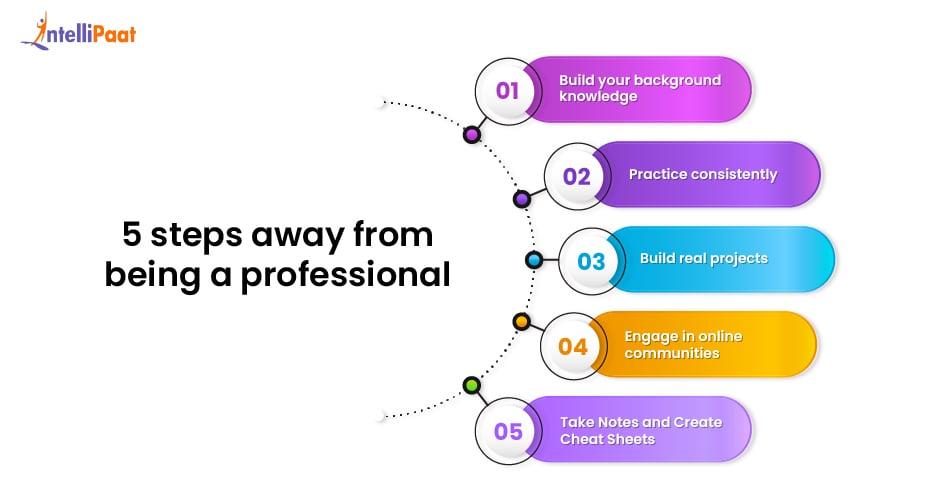
Getting started in or advancing your career as a technical support specialist requires both strategic planning and personal development. Use these practical tips as your roadmap:
- Stay Curious: Regularly explore emerging trends in education technology and software solutions.
- Network: Build relationships with educators, IT professionals, and academic technologists within and outside your institution.
- Upskill: Pursue certifications, attend workshops, and engage with professional forums on education software.
- Focus on Communication: Practise articulating technical concepts for non-technical users, vital in educational settings.
- Document Everything: Maintain clear records of incidents, solutions, and procedures to streamline future support efforts.
- Show Empathy: Understand the challenges users face with tech, and be patient in coaching and assisting them.
- Master Time Management: Prioritize tasks efficiently,especially during high-volume periods like semester starts or exam weeks.
- Champion Accessibility: advocate for technology solutions that meet diverse learning needs and comply with accessibility standards.
challenges and Solutions in the Role
While working as a technical support specialist in education software is rewarding, it comes with unique challenges. Here’s how to handle some of the most frequent obstacles:
- High Demand Periods: implement organized ticketing systems and self-service knowledge bases to manage surges in requests during semester start-up or exam periods.
- Diverse User Base: Develop multi-format training materials to accommodate various levels of tech proficiency among faculty, staff, and students.
- Rapid Software Changes: Stay continuously updated with release notes, vendor webinars, and internal communications.
- Confidentiality & Security: Rigorously follow data privacy guidelines and institutional protocols when handling sensitive information.
Conclusion: Building Your Future as a Technical Support Specialist in education technology
Pursuing a career as a Technical Support Specialist in Education Software at universities, colleges, or schools offers a dynamic blend of technology and academic engagement. By mastering key skills, understanding the nuances of different roles, and proactively seeking out growth opportunities, you’ll play a critical part in shaping positive learning outcomes for countless individuals.Prepare yourself to embrace challenges, champion new learning technologies, and enjoy both personal and professional growth in this thriving field. If you’re ready for a rewarding career path in education technology, your next move could be just a click away!