
technical Support Specialist in Education Software: Roles, Skills, and Career Opportunities
If you are passionate about technology and want to make a real difference in the education sector, becoming a Technical Support Specialist in Education Software may be the perfect fit for you. This dynamic role combines problem-solving with educational impact, helping teachers, students, and administrators make the most of the latest education technology (EdTech) tools. In this extensive guide, we’ll dive into the responsibilities, skills, benefits, and career opportunities associated with technical support in educational institutions. Whether you’re just starting out or seeking to advance your career, here’s everything you need to know about working as a Technical Support Specialist in Education software at universities, colleges, and schools.
What Is a Technical Support specialist in Education Software?
A Technical Support Specialist in Education Software is a key player in ensuring the smooth operation and optimization of digital learning tools used across educational environments. From troubleshooting student learning management systems to assisting faculty with smart classroom technology,these professionals serve as the frontline support for any software-related issues.
- Support users (students, instructors, and administrators) with technical issues in education software.
- Train staff members on new EdTech platforms and updates.
- Work alongside IT teams to manage software deployment and maintenance.
- Contribute to a positive learning and teaching habitat by enabling effective technology usage.
Education Software Supported
- Learning Management Systems (LMS) like Moodle,Blackboard,Canvas
- Collaboration tools such as Google Workspace for Education,Microsoft 365
- Assessment platforms and e-learning content management systems
- Classroom engagement apps and student information systems
Main Responsibilities of Technical Support Specialists in Education
Every day brings new challenges and opportunities for Technical Support Specialists in academia.Below are some of the core duties you will likely encounter in this role:
- User Support: Responding to help desk requests via phone, email, or ticketing systems. Troubleshooting technical issues on education software platforms, ensuring minimal disruption in learning or teaching processes.
- System Configuration and Maintenance: Installing,updating,and configuring software applications for faculty,staff,and students. Managing user accounts and permissions within EdTech platforms.
- Training and Documentation: Creating instructional materials and user guides, and providing hands-on training sessions for users unfamiliar with new educational software tools.
- Collaboration with IT and Academic Teams: Working closely with IT staff, academic departments, and software vendors to resolve complex issues and coordinate system updates or feature rollouts.
- Feedback and Improvement: Gathering user feedback and reporting recurring issues to edtech developers for product enhancements.
- Security and Compliance: ensuring compliance with institutional policies and data privacy regulations, such as FERPA or GDPR in education software use.
Essential Skills for Technical Support Specialists in Education Technology
To thrive in the role of Technical Support Specialist in Education Software, candidates need a blend of technical prowess, communication skills, and a customer-focused approach. Here are the key skills and abilities sought after by educational institutions:
- Technical Proficiency: In-depth knowledge of operating systems, network environments, and major educational software platforms. Experience with troubleshooting tools and support ticketing systems.
- Problem-Solving Abilities: Analytical skills for diagnosing issues, identifying root causes, and deploying effective solutions promptly.
- Communication and Patience: Ability to convey technical concepts in simple terms to non-technical users,demonstrating patience and empathy in stressful situations.
- Training and Presentation: Skilled at creating informative guides, FAQs, and delivering engaging instructional sessions.
- Time Management: Managing multiple requests efficiently, prioritizing tasks, and resolving issues within tight deadlines.
- Teamwork and Collaboration: Willingness to cooperate with IT teams, instructional staff, and vendors for comprehensive support.
Preferred Qualifications and Certifications
- Bachelor’s degree in Information Technology,Computer Science,or related fields (preferred,but not always required).
- Certifications such as comptia A+, Microsoft Certified Professional (MCP), or Google Certified educator.
- Experience with popular education technology platforms mentioned above.
career Opportunities for Technical Support Specialists in Education Software
The demand for skilled technical support professionals in EdTech continues to grow as digital transformation accelerates in education. From universities and colleges to K-12 schools, the opportunities abound. Here’s a look at typical career pathways and advancement:
- Entry-Level Positions: Junior Technical Support, Help Desk Analyst, IT Support assistant.
- Mid-Level roles: Technical Support Specialist, EdTech Support Analyst, LMS Administrator.
- Advanced Roles: Senior Technical Support Specialist, Education Software Trainer, IT coordinator, EdTech Implementation Manager.
- Related Career Tracks: Instructional Technology specialist, Educational Software Developer, IT Systems Administrator within academic institutions.
Salary scales and career growth depend on factors such as location, educational institution size, and level of experience. Entry-level positions offer a chance to gain hands-on experience, while senior roles bring increased responsibilities, leadership opportunities, and higher income prospects.
Benefits of Working as a Technical Support Specialist in Education Technology
- Impactful Work: Help educators and students succeed with accessible technology, making learning more engaging and effective.
- Job Security: With the rise of digital learning environments, the need for technical support in education is stronger than ever.
- continuous Learning: Stay up-to-date with the latest advances in education software, IT best practices, and classroom technology innovations.
- Diverse Work Environment: Collaborate with various departments, faculty members, and students, building broad professional relationships.
- Opportunities for Advancement: Grow into specialized areas such as IT management, software training, or EdTech consulting.
Practical Tips for Landing a Technical Support Role in EdTech
Ready to jumpstart your career in education technology? Here are actionable tips for job seekers looking to become Technical Support Specialists in Education Software:
- Build Relevant Experience: Volunteer at local schools or universities, or seek internships to gain foundational skills in technical support for education software.
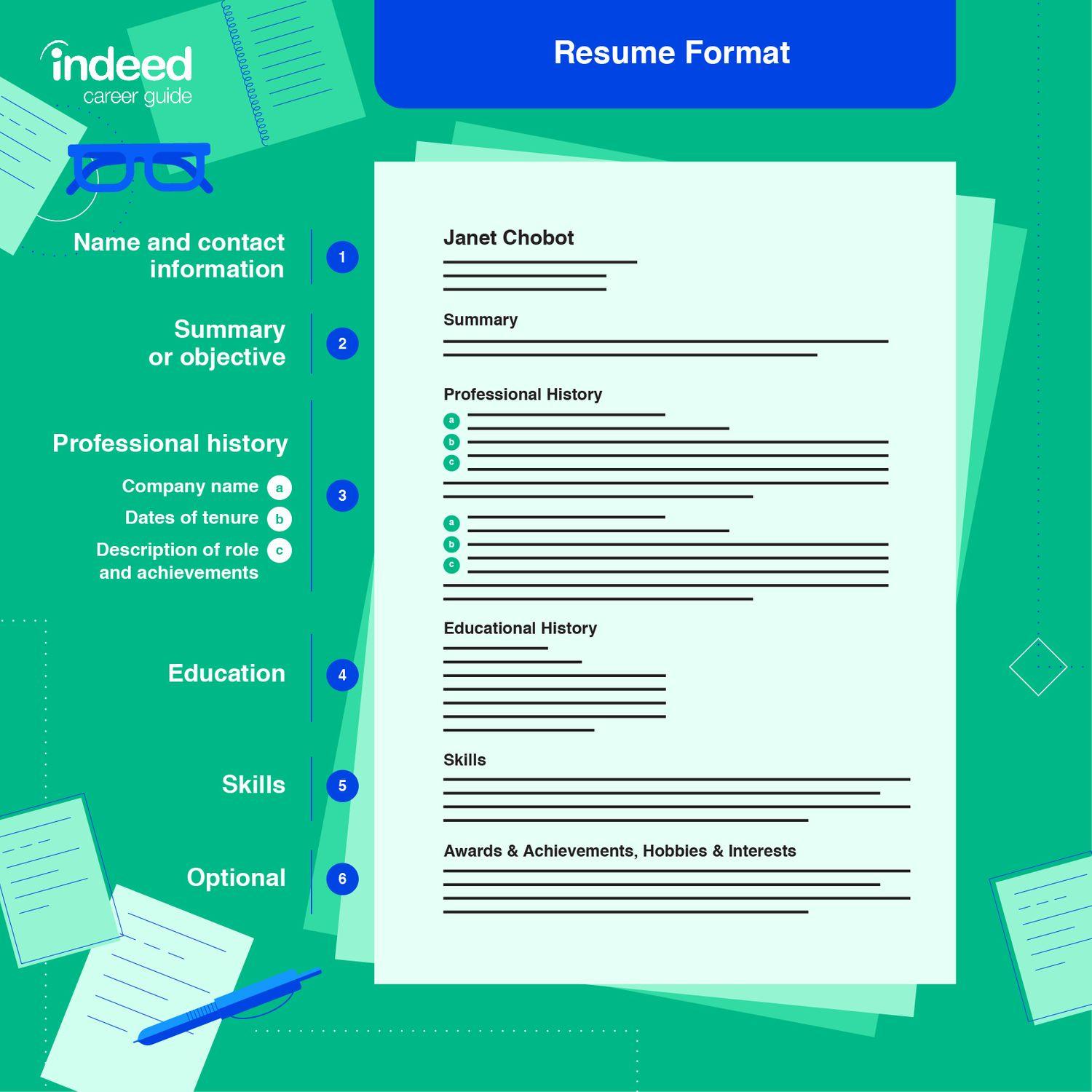
- Strengthen Your Resume: Highlight your knowledge of common educational software platforms, and also your troubleshooting and communication abilities.
- Obtain Certifications: Consider certifications such as CompTIA IT Fundamentals, Google Educator, or specialized EdTech courses to boost your credibility.
- Showcase Soft Skills: Demonstrate patience, empathy, and a passion for helping others—qualities highly valued in educational settings.
- Prepare for Interviews: Research the institution’s current technology stack and be ready to discuss how you would address typical support scenarios.
- Network in EdTech Communities: Join professional associations, attend webinars, or participate in online forums related to education technology.
Summary: Why Choose a Technical Support Career in Education Software?
Technical Support Specialists in Education Software play a vital role in the digital transformation of learning environments, fostering innovation and supporting teaching excellence. For job seekers passionate about both technology and education, this career offers the chance to make a tangible impact while continuing to grow professionally. With increasing demand for EdTech expertise at universities, colleges, and schools, talented support professionals are in prime position to launch rewarding, stable, and fulfilling careers.
Conclusion
Pursuing a role as a Technical Support Specialist in Education Software opens the door to a world of possibilities within the fast-evolving field of education technology. By developing strong technical skills, staying adaptable, and nurturing a dedication to service, job seekers can build meaningful careers in educational institutions of all sizes. As online learning and digital tools become integral to modern education, supportive professionals who empower teachers and students are more essential than ever. If you’re ready to take the next step,now is the ideal time to embrace a career in EdTech and become a valued technical support specialist at a university,college,or school.