
The Ethical Considerations of AI in Education: Balancing Innovation and Responsibility
artificial Intelligence (AI) is transforming the educational landscape worldwide. By leveraging smart algorithms,adaptive learning systems,and data-driven analytics,educational institutions are unlocking new ways to personalize learning,automate administrative tasks,and support both students and educators. However, this technological evolution raises important ethical considerations of AI in education. How do we balance the promise of innovation with the obligation to protect students’ rights, ensure fairness, and foster responsible use of AI in schools and universities? In this comprehensive guide, we’ll explore the pressing ethical dilemmas associated with educational AI, practical strategies for balancing benefits and risks, and actionable recommendations for responsible implementation.
Table of Contents
- Introduction
- Benefits of AI in Education
- Key Ethical Considerations of AI in Education
- case Studies: AI Innovation with Responsibility
- Practical Tips for Ethical AI Implementation in Education
- Conclusion
Introduction: the digital transformation of Education
AI-powered platforms are increasingly used for adaptive learning, personalized tutoring, automated grading, and even predicting student outcomes. schools and universities are harnessing machine learning technologies to offer individualized learning paths, improve administrative efficiency, and bridge educational gaps. But as AI’s presence in classrooms grows, so too does the need to scrutinize how it impacts student privacy, autonomy, and equality.
Benefits of AI in Education
Before delving into the ethical challenges, it’s important to understand the advantages of AI in education. Properly integrated, AI can:
- Personalize Learning: Algorithms can adapt instructional content to suit individual needs, boosting engagement and performance.
- Predict Student Needs: Early warning systems detect students at risk and reccommend helpful interventions.
- Automate Routine Tasks: Grading, scheduling, and administrative work become faster and more efficient, freeing up time for educators’ core teaching responsibilities.
- Enhance Accessibility: AI-driven tools can support students with disabilities through speech-to-text, text-to-speech, and real-time language translation.
- Inform curriculum Development: Data analytics help educators identify what works best, ensuring continuous improvement.
however, the implementation of AI in education is not without risks and objections, leading to a landscape where innovation must be carefully balanced with ethical responsibility.
Key Ethical Considerations of AI in Education
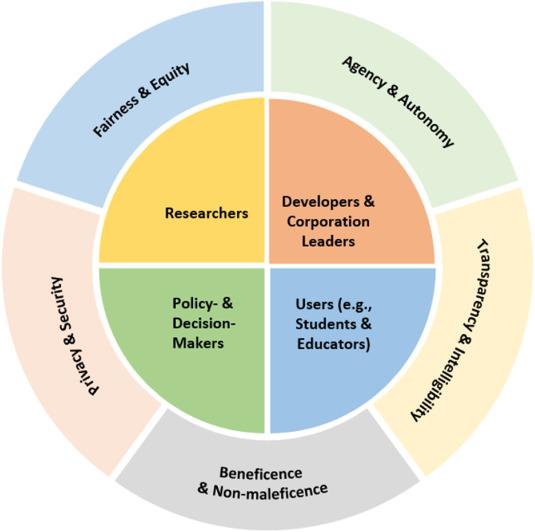
AI ethics in education touches on many meaningful topics, each deserving careful attention from educators, administrators, developers, and policymakers. Below are some of the most critical areas:
1. Data Privacy and Security
- Student Data Collection: AI systems often require vast amounts of data to operate effectively. However, students’ personal and academic data is sensitive, and its handling must comply with privacy laws (e.g., GDPR, FERPA).
- Data Security: Protecting data from breaches, unauthorized access, or misuse is paramount. Institutions need robust cybersecurity strategies to safeguard students’ information.
- Informed Consent: Clear interaction about what data is collected and how it’s used is essential to earn trust from students and guardians.
2. Algorithmic Bias and Fairness
- Biased Decision-Making: If AI models are trained on biased data sets, they can perpetuate social inequalities, amplifying disparities related to race, gender, or socio-economic status.
- Clarity and Explainability: AI-driven decisions should be understandable. Black box models are difficult to audit, raising concerns about accountability and recourse.
- Equitable Access: Technology gaps must be addressed to prevent algorithmic advantages from becoming privileges of the few.
3.Autonomy and Human Oversight
- Role of Educators: AI should support, not replace, teachers.The ability of educators to make final decisions, interpret AI recommendations, and inject empathy remains vital.
- Student Agency: Automated feedback and adaptive pathways can influence learning choices. It’s important for students to retain control and understanding of their educational journey.
4. Accountability and Transparency
- Clear Responsibility: When AI systems err—making a wrong grade prediction or flagging a student incorrectly—who is accountable? Defining responsibility across vendors, administrators, and staff protects all stakeholders.
- Open Policy-Making: School policies about AI use should be obvious,with opportunities for feedback from students,parents,and educators alike.
5. Accessibility and Inclusivity
- Closing the Digital Divide: not all students have equal access to hardware, software, or internet connectivity. Ensuring equitable implementation of AI is crucial for supporting diverse learner populations.
- Supporting Learners with Disabilities: AI holds promise for inclusivity but must be designed to meet the unique needs of all students.
Case Studies: AI Innovation with Responsibility
Case Study 1: Adaptive Assessment at Scale
A large university introduced AI-driven adaptive assessments in entry-level courses to personalize quiz questions and guide study resources. While this improved average test scores, concerns arose about the system’s bias against non-native English speakers as of linguistic assumptions in the training data. After a thorough audit and collaboration with diverse stakeholders, the university retrained its models and implemented regular equity checks.
Case Study 2: Early Warning Systems and Student Privacy
A K-12 district used predictive analytics to identify students at risk of dropping out. While early interventions led to higher graduation rates, parents voiced concerns about the types and sensitivity of data collected, as well as how those flagged by the AI were treated. In response, the district revised its data privacy policy, limited data collection to strictly necessary fields, and improved transparency by involving families in the process.
Practical Tips for Ethical AI Implementation in Education
Balancing innovation and responsibility means embedding ethics into every stage of AI adoption. Here are actionable recommendations for educators, administrators, and decision-makers:
- Establish Clear Ethical Guidelines: Adopt or develop AI ethics codes tailored to educational contexts. Reference established frameworks, such as those from the IEEE, UNESCO, or the European Commission.
- Prioritize Privacy by Design: Implement robust encryption,anonymization,and access controls. Conduct regular privacy audits and impact assessments.
- Monitor and Mitigate bias: Regularly evaluate AI models for discriminatory outcomes. Involve diverse teams in development, testing, and feedback cycles.
- Maintain Human Oversight: Ensure that critical decisions remain with educators, with AI acting as a guide rather than judge.
- Promote Transparency: Communicate how AI systems function, what data they use, and how decisions are made. Offer explanations for automated outcomes.
- Engage Stakeholders: Involve students, parents, teachers, and IT professionals in ongoing discussions about AI risks, opportunities, and rules.
- Invest in Digital Equity: Provide devices, software, and internet access to all students. Offer targeted support for those with unique needs or disabilities.
- Encourage Continuous Professional Development: Educators should have access to regular training on AI tools, data ethics, and digital literacy.
Conclusion
The ethical considerations of AI in education are complex, evolving, and critically critically important. As schools and universities embrace artificial intelligence to propel learning progress, they must also commit to upholding students’ rights, safeguarding privacy, and ensuring equitable outcomes for all. By approaching AI implementation with transparency, inclusivity, and a strong ethical framework, educators can truly balance the promise of innovation with the imperative of responsibility.
Collaboration among educators, students, policymakers, and technology providers is the key to shaping an educational future where AI in education serves everyone fairly and ethically.The time for thoughtful, responsible action is now—let’s build a smarter, more just classroom together.