
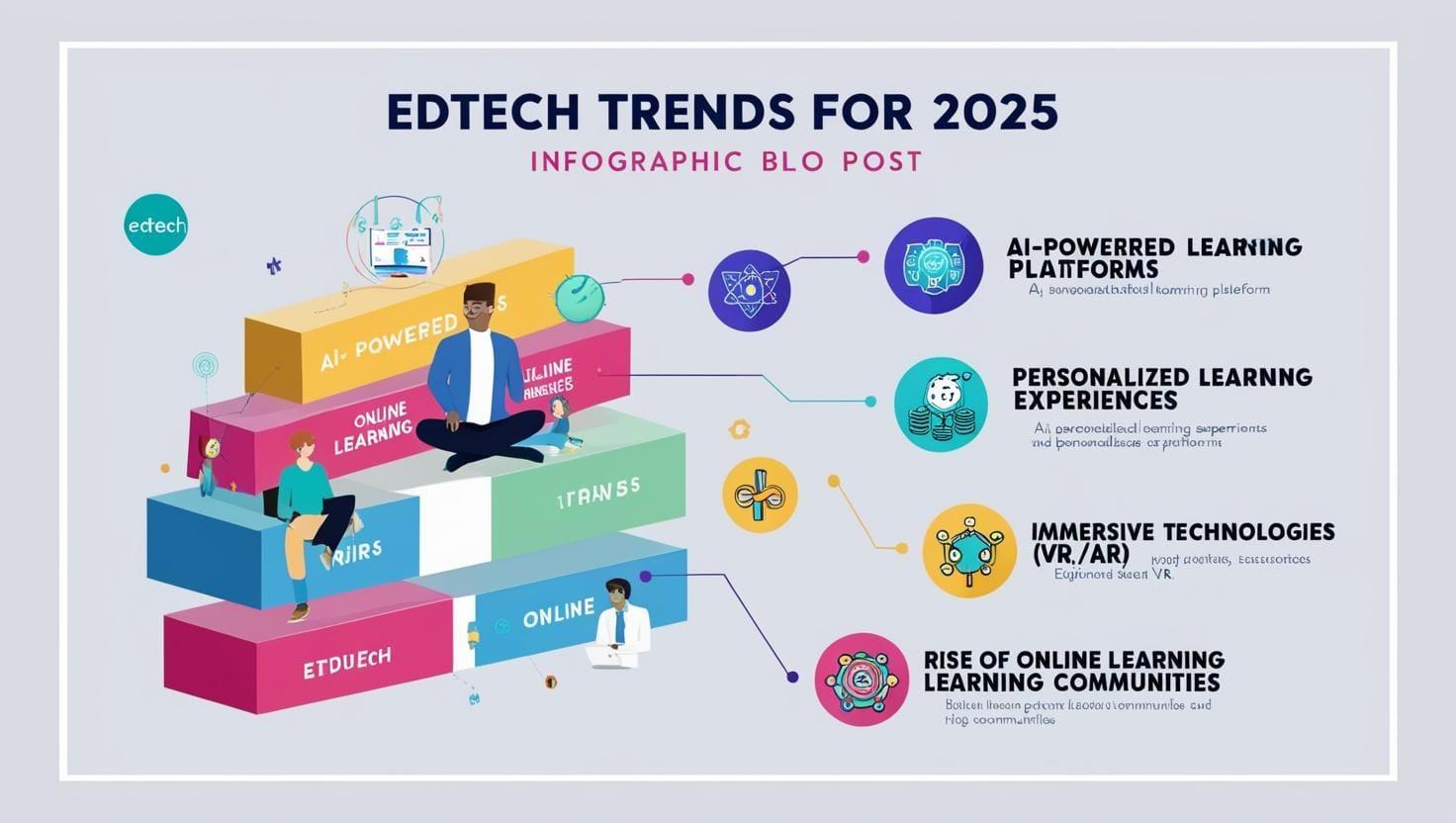
The Evolution of Online Learning Platforms in 2025: Key Trends Shaping education’s Digital Future
The landscape of education has seen a transformational shift in the last decade, but the evolution of online learning platforms in 2025 marks a new era. As global connectivity improves and technologies advance at an unprecedented pace, digital education is becoming more accessible, interactive, and personalized than ever. In this article, we explore the most important trends shaping the future of online learning platforms and what they mean for educators, students, and institutions around the world.
Why Online learning platforms Have Become essential in 2025
In 2025, online learning platforms are firmly entrenched as a primary mode of education, revolutionizing the customary classroom. The key drivers for this rise include:
- Widespread high-speed internet connectivity
- advancements in educational technology (EdTech)
- Growing demand for flexible, self-paced learning
- Globalization and the need for lifelong skills advancement
- Resilience against disruptions (e.g.,pandemics,economic shifts)
These factors collectively established a strong foundation for the ongoing digital change in education.
Key Trends Shaping the Future of Online Learning Platforms in 2025
Let’s dive into the most influential online learning trends of 2025 that are shaping education’s digital future.
1.Artificial Intelligence and Adaptive Learning
Artificial intelligence (AI) is at the forefront of personalized learning. In 2025, leading platforms harness AI-driven analytics to:
- Assess individual student progress dynamically
- Recommend tailored resources and pathways
- Automate grading and feedback for faster learning cycles
- Facilitate intelligent tutoring systems for on-demand support
This level of customization maximizes engagement and learning outcomes.
2. Immersive Learning with VR/AR
Virtual Reality (VR) and Augmented Reality (AR) are fundamentally changing how students interact with content. In 2025:
- Interactive simulations bring complex concepts to life
- Virtual laboratories for practical, hands-on experiences
- AR overlays offer real-world context during lessons
- collaborative VR classrooms foster community and engagement
These technologies are driving higher retention and deeper understanding.
3. Microlearning and modular Content
The shift towards microlearning is significant. Online platforms now offer:
- Short, focused lessons adaptable to busy lifestyles
- Bite-sized video modules and interactive quizzes
- Stackable credentials for continuous professional development
- Flexible course structures supporting just-in-time learning
4. Social Learning and Peer Collaboration
Social features are now standard in top e-learning platforms. In 2025:
- Built-in discussion forums and group projects
- Live chat, polls, and collaborative workspaces
- Mentorship matching and alumni networks
These features replicate the community aspect of traditional classrooms, reducing feelings of isolation in remote learning.
5. Enhanced Accessibility and Inclusivity
Online learning accessibility has become paramount. Trends include:
- Support for multiple languages and dialects
- screen reader compatibility and color contrast modes
- Flexible assessment formats for diverse learners
These enhancements help diminish educational barriers worldwide.
6. Blockchain Credentials and Digital Badges
Credentials in 2025 are secure,verifiable,and instantly shareable. Thanks to blockchain, learners now enjoy:
- Immutable records of achievements and certifications
- Digital badges recognized by employers globally
- Seamless integration with professional networks like LinkedIn
This advancement builds trust in online qualifications and supports career mobility.
Benefits of Modern Online Learning platforms in 2025
Here’s how the evolution of online learning platforms is benefiting students, educators, and organizations:
- Greater Flexibility: Learn anytime, anywhere, at your own pace.
- Cost Efficiency: Reduced travel, accommodation, and infrastructure costs.
- Personalized Experience: Adaptive paths based on interests and proficiency.
- Data-Driven Decisions: Real-time insights for tailored support and intervention.
- Global Reach: Access to world-class educators and diverse perspectives.
- Skills Alignment: Courses are updated rapidly to match market needs.
Practical tips for Students and Instructors Adopting Online learning in 2025
- Embrace Technology: Stay open to new tools like VR headsets or AI assistants integrated into your learning platform.
- Engage Actively: participate in forums, live sessions, and peer collaborations to enhance your learning experience.
- Set Clear Goals: Define what you aim to achieve and track your progress using built-in analytics dashboards.
- Utilize Support: Tap into mentoring, tutoring, and accessibility services—don’t hesitate to ask for help.
- Verify Credentials: Take advantage of platforms offering blockchain-secured certifications.
Case Study: Revolutionizing Education with AI-Powered Platforms
To illustrate the transformative power of modern online learning platforms, let’s look at EduFutura—a leading fictional EdTech company in 2025. EduFutura adopted AI-powered adaptive learning pathways. Their students achieved:
- Completion rates rising by 32% due to personalized pacing
- 70% of users reported higher engagement in immersive VR science labs
- Real-time analytics enabled swift intervention for at-risk students
- Blockchain badges increased employer trust in certifications
This case exemplifies how harnessing key innovations can yield tangible improvements in student outcomes.
First-Hand Experience: A Student’s Viewpoint in 2025
“I used to struggle with motivation in traditional e-learning, but with my current platform’s adaptive modules and VR field trips, I actually look forward to classes! Networking with peers globally expanded my horizon beyond what a physical classroom ever could.”
— Priya M., Computer Science Undergraduate
The Future Outlook: Predictions for Online Learning Beyond 2025
As we look ahead, the future of online education will likely be characterized by:
- Even deeper integration of AI for hyper-personalization
- Global access driven by government and corporate partnerships
- Increased gamification and social elements for lifelong engagement
- Wider recognition of digital credentials in recruitment and career advancement
The evolution is ongoing, offering exciting prospects for anyone involved in education.