
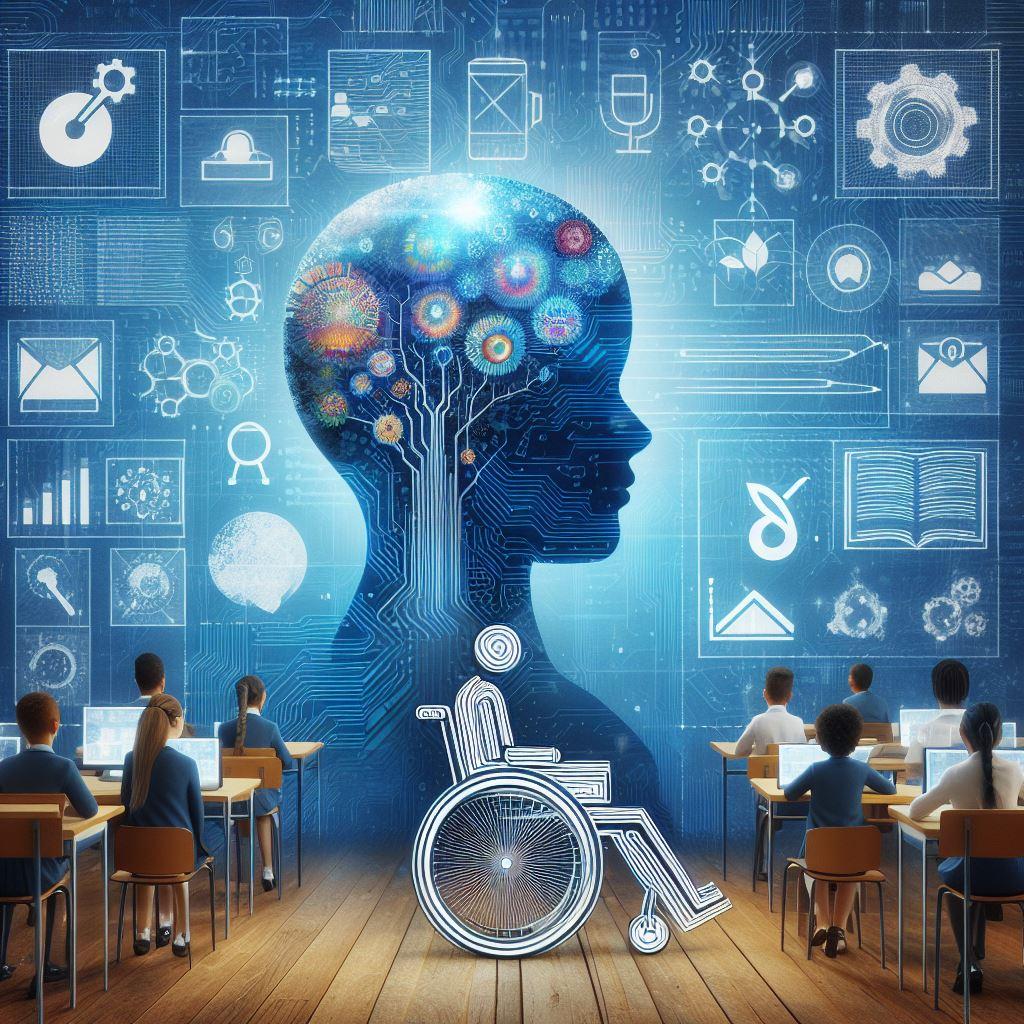
The Future of Accessibility in EdTech: Advancing Inclusive Learning for All
The landscape of education technology (EdTech) is rapidly evolving, driven by innovation, digital transformation, and a growing commitment to inclusive learning. But as we push boundaries in online education, it’s crucial to ensure that no learner is left behind. Accessibility in EdTech is not just a trend—it’s an essential foundation for empowering every student, irrespective of ability, background, or circumstance. In this article, we’ll explore how advancements in EdTech are breaking down barriers, embracing universal design, and shaping a more equitable future for education.
Why Accessibility Matters in EdTech
accessibility means designing digital learning environments that are usable by all learners, including students with disabilities. With an estimated 15% of the world’s population living with some form of disability, accessible education is vital for both ethical and legal reasons. More than ever, educators and EdTech providers must prioritize inclusive learning experiences that reach diverse users—whether they’re visually impaired, deaf, neurodivergent, or navigating temporary barriers.
- Equal Access: Ensures every student gains the same educational opportunities.
- Legal Compliance: Adheres to mandates like ADA, Section 508, and WCAG guidelines.
- Enhanced Learning Outcomes: Inclusive environments foster better engagement and academic success for all.
- Positive Institutional Reputation: Schools that champion accessibility attract wider enrollment and support.
Key Innovations Advancing Accessibility in EdTech
Technological advancements are now making inclusive learning more practical and scalable than ever. here are some transformative innovations shaping the future of accessibility in education technology:
1. artificial Intelligence (AI) & Machine Learning
- Real-Time Speech-to-Text: AI-driven transcription helps students who are deaf or hard of hearing by providing instant captions during lectures.
- Text recognition: Machine learning enhances content conversion into accessible formats, such as converting images to readable text for visually impaired learners.
- Personalized Learning Paths: AI adapts content delivery based on individual student needs, abilities, and preferences.
2. Adaptive User Interfaces
- Customizable Display Settings: Allows users to adjust contrast, fonts, text size, and colors for better readability.
- Keyboard Navigation: Ensures students who cannot use a mouse can access all features using keyboard shortcuts.
3. Assistive Technologies
- Screen Readers: Programs like JAWS and NVDA read out text, enabling visually impaired learners to access digital resources.
- Alternative Input Devices: Switches,eye-tracking,and voice commands aid learners with motor disabilities.
4. multimedia Accessibility
- Closed Captioning & Transcripts: Videos and audio content now commonly include accurate text alternatives.
- Audio Descriptions: Narration that describes visual elements in multimedia resources for blind learners.
5.Universal Design for Learning (UDL)
- Multiple Means of Engagement: Supports diverse motivations and interests through varied learning activities.
- Representation: Provides information in multiple formats (visual, text, audio).
- Action & Expression: Enables learners to demonstrate knowledge in various ways, such as video, blogs, or presentations.
Benefits of Inclusive EdTech Solutions
Implementing accessible features in EdTech platforms delivers far-reaching advantages:
- Wider Audience Reach: Platforms that prioritize accessibility can serve learners of all ages, abilities, and backgrounds.
- Increased User Satisfaction: Accessible interfaces reduce frustration and dropout rates, enhancing overall user experiences.
- Versatility: Accessibility features frequently enough help all users—not just those with disabilities. For example, captions benefit language learners and students in noisy environments.
- Future-Proof Compliance: Early adoption of accessibility standards helps institutions stay ahead of evolving regulations.
In a competitive EdTech market, inclusivity is increasingly recognized as a key marker of quality online education.
Practical tips: Promoting Accessibility in EdTech Development
how can educators, designers, and EdTech companies weave accessibility into their products and curriculum? Here are some actionable strategies:
- Conduct Regular Accessibility audits: Use WCAG-compliant testing tools to identify issues commonly affecting users with disabilities.
- Engage Diverse User Groups: Involve people with disabilities in beta testing and feedback sessions.
- Incorporate Accessible Design Principles: Prioritize keyboard navigation, screen reader compatibility, alt text for images, and simple layouts from the outset.
- Provide Training: Educate teachers and staff about accessibility best practices and digital tools available for inclusive learning.
- Leverage Open Educational Resources (OER): Choose OERs designed with accessibility features, ensuring content reaches all learners.
- Stay Up-To-Date: Monitor legal developments and new technologies to remain proactive about accessibility requirements.
Case Studies: accessibility Success Stories
1. Microsoft Learning Tools
Microsoft’s suite of Learning Tools—including Immersive Reader, Dictate, and Translator—demonstrates the transformative potential of built-in EdTech accessibility features. Such as, Immersive Reader offers text-to-speech, background color adjustments, and visual grammar assistance. Schools report marked improvements in literacy and confidence among students with dyslexia and ADHD.
2. Khan Academy
Khan Academy continuously enhances its platform for accessibility, adding features like captioned videos, keyboard navigation, and descriptive transcripts. Learners with diverse needs now access thousands of lessons, empowering more equitable participation globally.
3. University of Illinois Digital Accessibility Program
The University of Illinois invested in comprehensive digital accessibility training for staff and students,impacting everything from online course creation to campus-wide web design. The results? An inclusive campus culture and compliance with national accessibility standards.
First-Hand Experience: Perspectives from Learners
Many learners share how accessible technology has transformed their educational journey. For example:
- Sarah, a college student with low vision: “Screen readers and adjustable font sizes on my university’s learning management system mean I no longer depend on classmates for access to lecture notes.”
- Javier,an adult learner with dyslexia: “Text-to-speech software and audio books made remote learning possible for me. I’m finally able to learn at my own pace.”
First-hand stories like these underscore the life-changing potential of accessible EdTech solutions.
The Road Ahead: Future Trends in EdTech Accessibility
What’s next for accessibility in education technology? Expect the following trends to shape the inclusive learning landscape:
- Voice-Activated Learning Environments: Next-gen systems will increasingly rely on voice commands to navigate courses and content.
- Advanced Real-Time Translation: AI-powered translation will break language barriers instantly, supporting non-native speakers in global classrooms.
- Virtual Reality (VR) & Augmented Reality (AR): VR/AR tools will simulate real-world experiences,giving students with physical limitations immersive learning opportunities—if developed with accessible features in mind.
- Data-Driven Personalization: Advanced analytics will identify engagement patterns and recommend accessibility features users might not know they need.
- Accessibility APIs & Open Standards: More platforms will integrate public accessibility APIs, promoting consistent, cross-system experiences.
Conclusion: Building a More Inclusive Future with EdTech
The future of accessibility in EdTech is luminous and full of promise. As technology advances,so do the options for creating student-centered,inclusive environments that adapt to diverse needs and preferences. by prioritizing accessible design, collaborating with users, and keeping pace with evolving standards, EdTech providers and educators can ensure equitable learning for all.
Whether you’re an educator, policymaker, developer, or learner, your voice matters in shaping the inclusive classroom of tomorrow. The technologies highlighted here are just the beginning—true innovation means striving for universal access and lifelong empowerment. Let’s build a future where every learner thrives.