
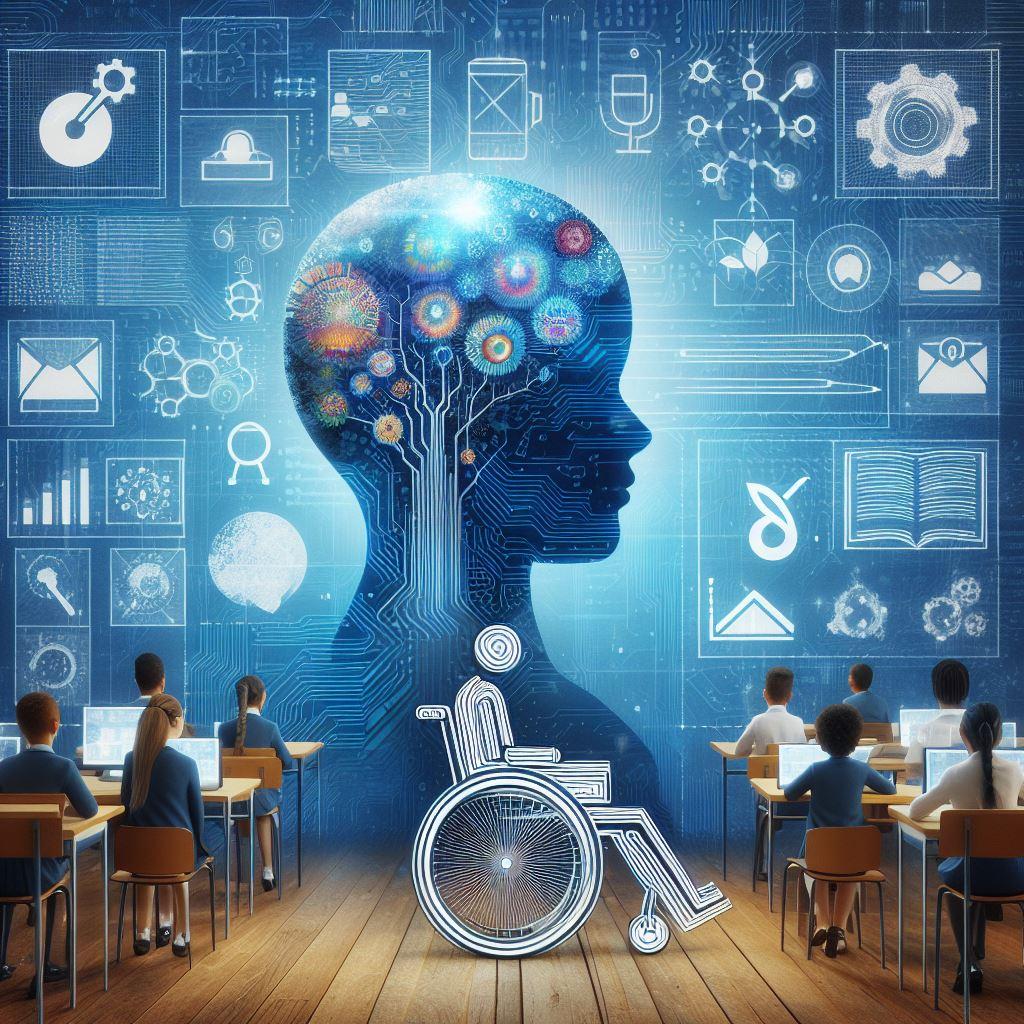
the Future of Accessibility in EdTech: How Technology Is Transforming Inclusive Education
As technology rapidly advances,the field of education technology—commonly referred to as EdTech—has seen dramatic progress in making learning environments more inclusive and accessible. From adaptive software to AI-powered tools, the future of accessibility in EdTech promises endless opportunities for students with disabilities and learning differences. In this article, we’ll explore how technology is revolutionizing inclusive education, the benefits and real-life applications, and practical tips for educators and EdTech developers looking to champion accessible learning.
Why Accessibility in EdTech Matters
Accessibility in education ensures that all learners,regardless of physical,sensory,or cognitive abilities,have equal access to educational content and resources. With over one billion people globally living with some form of disability, accessible EdTech isn’t just a priority—it’s essential. As learning shifts increasingly into digital spaces, accessible education platforms are crucial to creating equitable learning experiences for all.
- Compliance with legal frameworks like ADA and WCAG
- Promotion of equal opportunity and inclusion
- Enhanced engagement and independence for all learners
- Reduced barriers for marginalized student populations
Emerging Technologies Shaping Inclusive Education
Technology is playing a pivotal role in redefining what accessible and inclusive education looks like. let’s look at some of the most significant EdTech advancements shaping this new frontier.
1. Artificial Intelligence (AI) & Machine Learning
AI-driven tools are enabling personalized learning experiences tailored to individual needs. Voice recognition, smart content adaptation, and predictive analytics help identify learning gaps and adjust materials in real time for students with disabilities.
2. Text-to-Speech (TTS) & Speech-to-Text (STT) Tools
TTS software allows visually impaired users to listen to digital text, while STT tools help those with reading or writing difficulties convert spoken words into written content. Modern platforms use AI to provide more accurate and natural-sounding voices, making content more engaging for all.
3. Option Input methods
- Eye-tracking: Gives students with severe physical disabilities the ability to control devices with their gaze.
- Switch devices and adaptive keyboards: Enable learners with limited mobility to interact with learning material.
- Touch-free navigation: Assists students with motor impairments using gestures or head movements.
4.Augmented Reality (AR) and Virtual Reality (VR)
Immersive technologies like AR and VR are making it possible for students with various learning styles and abilities to engage with educational content through visual,auditory,and kinesthetic experiences.
5. Accessible Web and Mobile design
Progressive Web Apps (PWAs) and responsive web design ensure content displays correctly on all devices. Tools like screen readers, keyboard navigation, and color contrast checkers empower developers to create platforms that everyone can use.
Benefits of Accessible EdTech Solutions
Making EdTech accessible provides meaningful benefits not just for students with disabilities, but for all learners.
- Increased Engagement: Interactive, multisensory content can capture attention and make learning memorable.
- Higher Retention Rates: When students can access materials in a format that suits them, they’re more likely to succeed.
- Flexible Learning Pathways: Adaptive tools enable self-paced and competency-based learning.
- Universal Design: Features that enhance accessibility—like captions,audio descriptions,and alternative formats—benefit everyone,not just those with disabilities.
case Studies: How EdTech Is Promoting Inclusive Classrooms
Case Study 1: Microsoft Immersive Reader
Microsoft’s Immersive Reader, integrated in tools like OneNote and Teams, offers text decoding support for students with dyslexia. Features such as adjustable font size, text spacing, integrated dictionaries, and read-aloud functionality have shown to considerably improve reading comprehension and confidence.
Case study 2: Khan Academy’s Accessible platform
Khan Academy,a global online education platform,has made major strides in accessibility by providing keyboard navigable interfaces,audio description options,closed captioning,and high-contrast modes,ensuring that students with varying needs and abilities receive a quality education.
Practical Tips: Designing and Implementing Accessible EdTech
For educators, curriculum developers, and edtech companies, accessibility should be an integral part of the design and implementation process. Here are some practical recommendations:
- Start with Accessibility in Mind: Apply universal design for learning (UDL) principles from the outset—not as an afterthought.
- Test with Real Users: Include students with disabilities in beta-testing to gain feedback and uncover usability problems.
- Provide Multiple Formats: Offer videos with captions, transcripts, alt-text for images, and screen reader-compatible documents.
- Stay Updated on Guidelines: Regularly review accessibility standards like WCAG 2.1 and local regulations (such as Section 508 in the U.S.).
- Offer Training: Educate instructors and students on how to use accessibility features effectively.
- Foster a Culture of Inclusion: Encourage open discussions about accessibility needs and solutions.
First-Hand Experiences: Voices From the Classroom
“With adaptive reading software, my students with dyslexia now read alongside their peers, gaining confidence and independence. Technology has truly leveled the playing field in my classroom.”
— Emily R., special Education Teacher
“As a visually impaired student, screen reader-kind platforms and speech-to-text tools have made it possible for me to participate in discussions and complete assignments I onc found impossible.”
— Jason T., University Student
The Future Outlook: Challenges and Opportunities
The journey toward fully accessible and inclusive education faces ongoing challenges:
- Resource Gaps: Not all school districts or families can access the latest tech.
- Awareness and Training: Many educators need ongoing professional growth in digital accessibility.
- Fragmented standards: Interoperability and universal guidelines remain works in progress.
Yet, the outlook remains optimistic. With increased advocacy,greater investment in assistive technology,and a collective commitment to equity,the EdTech sector will continue to unlock new possibilities for learners everywhere.
Conclusion: Embracing an Accessible Future in EdTech
The future of accessibility in EdTech is luminous, offering the potential for truly inclusive and equitable education for all. By embracing cutting-edge technologies, implementing universal design principles, and fostering a culture of accessibility, we can ensure that every student—regardless of their abilities—has the opportunity to thrive in a digital world. As educators, developers, and advocates, it’s up to us to build this future together.