
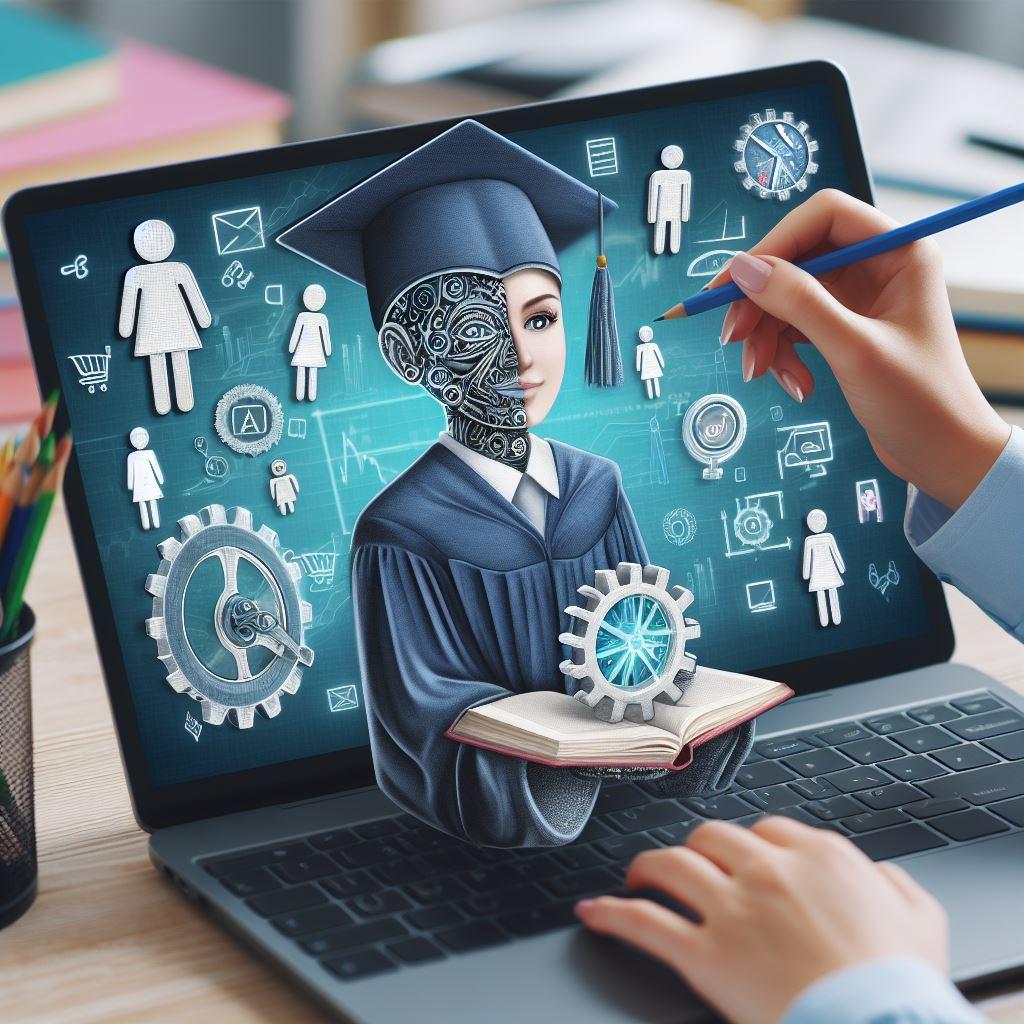
The Future of Accessibility in Education Technology: Innovations Empowering Inclusive Learning
Introduction
Education technology has been transforming the way we teach, learn, and interact in academic environments. As the digital landscape expands, so does the imperative for accessibility in education technology. Ensuring that every learner—including those with disabilities—can access, engage with, and benefit from digital educational content is not only a legal obligation but a foundational principle of inclusive education. In this article, we’ll explore the future of accessibility in education technology, highlight groundbreaking innovations, and offer practical strategies for creating more inclusive learning experiences.
What is Accessibility in Education Technology?
Accessibility in education technology (or edtech accessibility) refers to how digital learning tools, platforms, and content are designed and adapted to accommodate learners with varying abilities. This encompasses learners with visual, auditory, cognitive, and motor disabilities, as well as those facing temporary or situational barriers.
- Visual Impairments: Students who are blind or have low vision require screen readers, high-contrast interfaces, and alt text for images.
- Hearing Impairments: Learners who are deaf or hard of hearing benefit from closed captioning, transcripts, and visual cues.
- Cognitive disabilities: Simplified language, clear layouts, and assistive tools support students with learning challenges.
- Motor Disabilities: Keyboard navigation, voice commands, and switch controls enable access for users with limited mobility.
Emerging Innovations Empowering Inclusive Learning
Driven by advances in artificial intelligence, machine learning, and user experience design, the future is radiant for inclusive learning solutions. Here are some of the most promising innovations in accessible edtech:
1. AI-Powered Assistive Tools
- Speech-to-text & Text-to-Speech: AI enables real-time transcription, allowing students to convert speech to text and vice versa, enhancing accessibility for users with hearing or visual impairments.
- Automatic Captioning: Platforms like Zoom and YouTube leverage AI for instant, accurate closed captions during live and recorded sessions.
- Language Translation: Tools provide live translation, breaking language barriers for both disabled and non-disabled multilingual learners.
2. Adaptive learning Technologies
Adaptive learning platforms utilize data and algorithms to personalize educational content, pacing, and supports. Dynamic interfaces adjust to individual needs, providing alternative explanation formats, adjustable fonts, and custom color schemes. This ensures a tailored learning experience, improving engagement and outcomes for all learners.
3. Accessible Virtual and Augmented Reality
Immersive technologies like virtual reality (VR) and augmented reality (AR) are becoming more accessible thanks to features like guided narration, tactile feedback, and adjustable field-of-view controls. These tools bridge physical and cognitive barriers, giving students with disabilities richer, hands-on educational experiences.
4. Inclusive Content Authoring Tools
Modern Learning Management Systems (LMS) and content creation platforms are integrating built-in accessibility checkers and templates. These ensure educators can create lessons that comply with WCAG (Web Content Accessibility Guidelines) standards—making inclusive lesson design simpler than ever.
5. Real-Time Multi-Sensory Feedback
Innovations in haptic technology and multi-sensory outputs let students interact with content through touch, sound, and visuals. For example, tactile touchscreen tablets help visually impaired learners “feel” diagrams and maps, while immersive audio cues assist students with cognitive or visual disabilities.
Benefits of Accessible Education technology
Investing in accessibility brings important benefits—not just for students with disabilities, but for the entire learning community.
- Universal Design: Accessible tools often make content easier to use for everyone, not just those with disabilities.
- Greater Equity: Removing barriers ensures all students have equal opportunities to succeed in digital learning environments.
- Enhanced Engagement: Interactive and accessible features boost participation by appealing to diverse learning preferences.
- Compliance & Reputation: Institutions avoid legal risks and demonstrate commitment to diversity, equity, and inclusion.
Real-world Case Studies
let’s look at a few powerful examples where accessible education technology is making a difference:
Case Study 1: Microsoft’s Immersive Reader
“Immersive Reader,integrated into Microsoft platforms,converts text into easy-to-read formats with read-aloud,grammar highlighting,and customizable settings. This tool has helped countless students with dyslexia, ADHD, and other learning differences improve comprehension and retention.” – EdSurge
After integrating Immersive Reader, a district in Texas reported a 23% increase in reading comprehension scores among students with learning disabilities.
Case Study 2: Gallaudet university’s VR Learning Spaces
“Gallaudet University, a leading institution for deaf and hard-of-hearing students, uses VR environments with sign language avatars. This technology delivers immersive,visually-rich instruction that standard classrooms cannot replicate.”
Early trials indicated significant improvements in subject mastery and learner satisfaction, signaling the promise of VR for other communities.
Practical tips for Educators & Institutions
Creating accessible digital learning environments doesn’t need to be overwhelming. Here are actionable steps teachers, administrators, and edtech developers can implement today:
- Use WCAG-Compliant Templates: Ensure your lessons and materials meet WCAG 2.1 standards for web accessibility.
- Add Alternative Text and Captions: Describe all images and always include captions for audio and video content.
- Test with Real Users: Regularly test your digital content with students who have disabilities; feedback is invaluable.
- Leverage Built-in Tools: Utilize built-in accessibility features in platforms like Google Classroom, Canvas, or WordPress.
- Stay Updated: Accessibility standards and assistive technologies evolve rapidly—ongoing professional growth is essential.
The Road Ahead: Trends Shaping the Future of Inclusive EdTech
The future of accessibility in education technology looks increasingly interconnected, data-driven, and learner-centered. Key trends that are emerging include:
- Voice Assistants & Conversational AI: More educational platforms are integrating voice navigation and AI-powered chatbots to aid learners in real time.
- mobile Accessibility: With the surge in mobile learning, apps are being optimized for screen readers, gesture controls, and responsive design.
- Global Standardization: Efforts are underway to harmonize accessibility standards worldwide, simplifying compliance for cross-border education providers.
- Personalized Learning Paths: deep learning algorithms enable the creation of hyper-personalized learning experiences, dynamically adjusting to learners’ needs, strengths, and challenges.
- Greater Student Agency: Emerging technologies allow students to customize accessibility settings, enhancing autonomy and self-advocacy.
Conclusion
The rapid evolution of accessibility in education technology is unlocking new possibilities for inclusive learning. As cutting-edge innovations—from AI-driven assistive tools to immersive VR environments—become mainstream, educators, developers, and institutions must prioritize accessibility and universal design. Doing so not only ensures legal compliance but also creates richer, more engaging, and ultimately more equitable digital classrooms. By embracing these advancements and practical strategies, we empower every learner to thrive in a diverse, digital-first world.
Ready to take the next step? Explore the latest accessibility features in your edtech tools, advocate for ongoing professional learning, and champion inclusive design within your educational community.The future of education is accessible—let’s build it, together.