
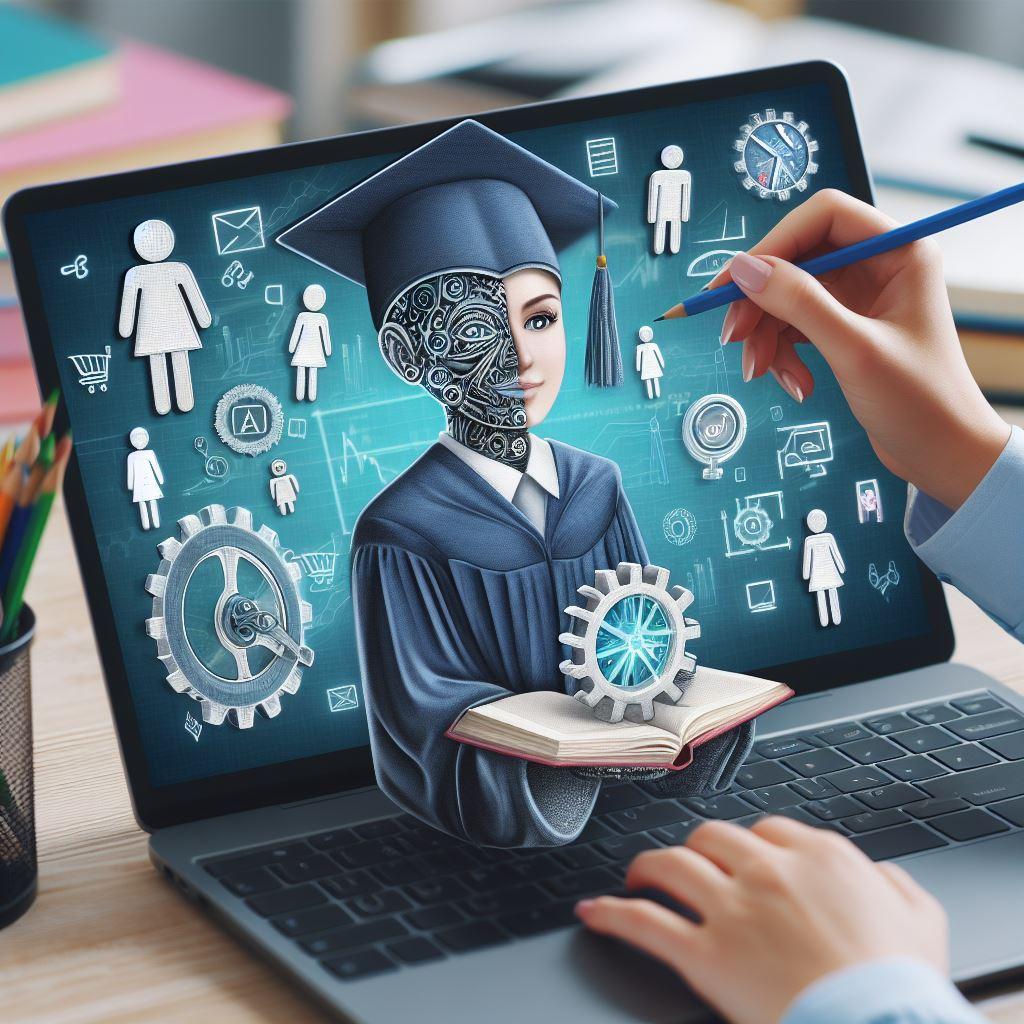
The Future of Accessibility in Education Technology: Innovations Transforming Inclusive Learning
In today’s digital-first world, the call for accessible education is louder than ever. As technology continuously evolves, so does our ability to create truly inclusive learning environments. The future of accessibility in education technology promises breakthrough innovations that will empower all learners,irrespective of their abilities or backgrounds. In this article,we’ll explore how EdTech accessibility is transforming modern classrooms,discuss the latest trends and tools,and outline actionable steps for educators and institutions eager to lead the way in inclusive education.
Why Accessibility Matters in Education Technology
Accessibility in education is about ensuring all students—including those with disabilities—have equal access to learning materials and participation. As digital platforms become central to teaching,accessibility features are no longer optional; they’re essential for compliance,equity,and student success.
- Legal Frameworks: Laws such as the Americans with Disabilities Act (ADA) and Section 508 in the US, and WCAG (Web Content Accessibility Guidelines) globally, mandate accessible digital content.
- Diverse Learner Needs: Inclusive learning tools support students with visual, auditory, cognitive, and motor challenges.
- educational Equity: Accessibility fosters equal opportunities, closing achievement gaps and enhancing engagement.
Emerging Trends and innovations in Accessible EdTech
The intersection of technology and education has spurred remarkable advancements. Here are some of the most exciting innovations that are shaping the future of accessibility:
1. Artificial Intelligence (AI)-Powered Tools
- Automatic Captioning & Transcription: AI platforms generate real-time captions and transcripts, making audiovisual lessons accessible to deaf or hard-of-hearing students.
- Text-to-Speech & Speech-to-Text: Modern EdTech solutions use AI-driven voice recognition and reading tools to support students with dyslexia or vision impairments.
- Personalized Learning: AI adapts content delivery according to students’ abilities and preferences, ensuring every learner receives tailored support.
2. Augmented Reality (AR) & Virtual Reality (VR)
AR and VR make abstract concepts tangible, especially for students with learning disabilities or those who benefit from multisensory instruction. Examples include:
- Immersive Science labs: Allow students to safely explore environments that are or else inaccessible.
- Sign Language Avatars: Virtual avatars interpret spoken words into sign language in real-time.
- Visual Storytelling: Engages learners with cognitive challenges through interactive narratives.
3. Accessible Learning Management Systems (LMS)
Modern LMS platforms are prioritizing:
- Keyboard Navigation: Ensuring students can interact without relying on a mouse.
- High Contrast & Customizable Fonts: Options for better readability for those with visual impairments.
- Screen Reader Compatibility: Seamless integration with screen reading technology.
4. Assistive Technology Devices
- Refreshable braille displays and tactile tablets for blind users
- Eye-tracking devices for students with limited mobility
- Alternative input devices, such as adaptive keyboards and switches
Benefits of Accessible Education Technology
Embracing inclusive education technology doesn’t just help students with disabilities—it enhances learning for everyone.
- Greater Student Engagement: Multimodal learning appeals to different learning styles and keeps students motivated.
- Improved Academic Outcomes: Adaptive tools help overcome barriers and foster better understanding.
- Institutional Reputation: Schools and universities leading in accessibility are seen as innovative and socially responsible.
Case Studies: Leading the Way in Inclusive Learning
University of Michigan: Customizable Course Accessibility
The University of Michigan’s digital learning initiative implemented a system-wide accessibility checker in its LMS, flagging content and providing instructors with tips.The result: a meaningful reduction in accessibility issues and a seamless learning experience for all students.
Microsoft Immersive Reader: Supporting Neurodiverse Learners
Microsoft’s Immersive reader is a global standard for making text content more accessible. It offers read-aloud functionality, adjustable text spacing, translation, and focus modes, widely adopted in K-12 schools to support neurodiverse learners.
Khan Academy: Inclusive Video Content
All Khan Academy videos include accurate captions and written transcripts, making quality education available to students with hearing impairments worldwide.
practical Tips: Designing for Accessibility in EdTech
Whether you’re an educator, instructional designer, or EdTech developer, following accessibility best practices is crucial. here are some actionable steps:
- Start with worldwide Design for Learning (UDL): Create materials that offer multiple routes for engagement, representation, and expression.
- Test with Real Users: Involve students with disabilities in usability testing to identify and fix accessibility gaps.
- Prioritize Semantic HTML: use proper heading structure and ARIA labels for screen readers.
- Provide Alternative Content Formats: Offer transcripts for videos, alt text for images, and downloadable audio versions of written content.
- Stay Updated: Accessibility standards evolve; ensure your tools and content meet the latest guidelines (such as WCAG 2.2).
First-Hand Experience: An Educator’s Perspective
“When our school district introduced voice recognition tools and real-time captioning, students who once struggled to participate began flourishing. One student with dyslexia told me, ‘This is the first time I feel on equal footing with my classmates.’ That’s the true power of accessible EdTech—it gives every learner a chance to shine.”
—Jessica martinez, Special Education Teacher
the Road Ahead: The Future of Accessible Education Technology
The landscape of educational accessibility is rapidly advancing, but there’s still work to do. as digital transformation accelerates, the future promises even more innovative EdTech breakthroughs:
- Natural Language Processing (NLP): Smarter educational bots will provide individualized feedback and support in real time.
- Blockchain Credentials: Accessible digital certificates that are secure and verifiable for all learners.
- Greater Interoperability: accessible features will be harmonized across different platforms, reducing fragmentation.
To fulfill this promise, collaboration between educators, developers, policymakers, and students is essential. Together, we can create inclusive environments where every student’s strengths are nurtured.
conclusion: Building a More Accessible Tomorrow
The future of accessibility in education technology is here,unlocking new ways for students to learn,grow,and thrive no matter their abilities. By embracing innovation and inclusion, we can ensure that accessible EdTech isn’t just a feature—it’s the foundation of modern education. Are you ready to champion inclusive learning in your classroom or institution? The tools,strategies,and commitment are already at your fingertips. Let’s make education work for everyone.