
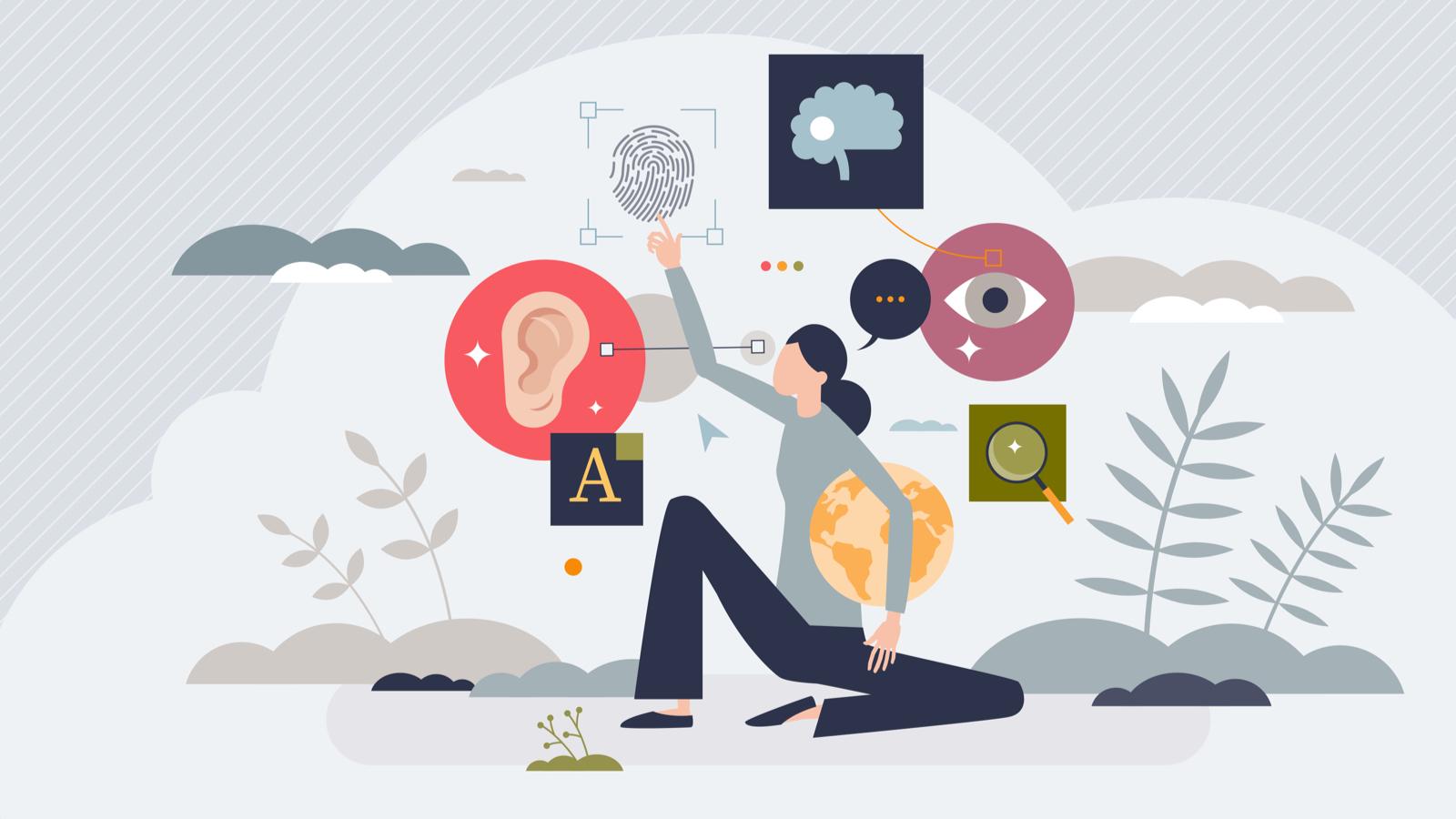
The Future of Accessibility in Education Technology: Trends Transforming Inclusive Learning
Introduction: Why Accessibility in EdTech Matters
The rapid rise of digital learning has brought unprecedented opportunities to students worldwide. Yet,as classrooms morph into online platforms,the urgent need for accessibility in education technology grows clearer. Today’s EdTech must support not only different learning paces—but different learning needs. Whether it’s students with vision impairments, auditory processing challenges, or neurodiverse learners, inclusive learning environments are essential for educational equity and success.
In this article, we’ll explore the future of accessibility in education technology—examining the biggest trends, benefits, and some practical solutions transforming how we create universally designed digital classrooms.
Key Trends Shaping Accessible education Technology
As we move toward a more inclusive digital education landscape, several groundbreaking trends emerge. Below are the biggest developments making learning genuinely accessible for all.
- AI-Powered Personalization: Artificial Intelligence tailors curriculum, resources, and assessments to match students’ individual abilities and learning styles.
- Worldwide Design for Learning (UDL): Designing content upfront for all—rather than retrofitting—ensures every student can participate and excel.
- Voice Technology & Speech Recognition: Voice control and speech-to-text tools make it easier for students with physical or learning disabilities to interact with educational software.
- Immersive Technology: Virtual Reality (VR), Augmented Reality (AR), and 3D visuals bring interactive experiences to learners with diverse needs, fostering deeper engagement.
- Real-Time Captioning and Transcription: Advanced live captioning breaks barriers for deaf or hard-of-hearing students,making lectures and discussions accessible.
- Assistive Mobile Apps: Smartphones and tablets now host an array of accessibility features—from screen readers and magnifiers to translation and color contrast settings.
- accessibility Analytics: Platforms now offer analytics that help educators identify and address accessibility barriers in digital content and delivery.
Benefits of Inclusive Learning Powered by EdTech Accessibility
Prioritizing inclusive learning through accessible technology isn’t just about compliance—it’s about unlocking every student’s potential. Here’s how embracing accessibility in educational technology can elevate outcomes:
- Higher Engagement and Retention: Adapting content for all learning needs increases participation and reduces dropout rates.
- Collaboration and Social Inclusion: Tools such as collaborative whiteboards and option communication break down social and linguistic barriers.
- Empowered, Independent Learners: Accessibility features enable students to learn at their own pace and take control of their educational journeys.
- Broader Reach: Online courses and materials designed for accessibility can serve a global and diverse audience, including non-native speakers and those in remote regions.
- Legal Compliance & Reputation: meeting ADA and WCAG standards helps institutions avoid lawsuits and demonstrates a strong stance on social responsibility.
Innovative Tools and Solutions for Accessibility in EdTech
The latest education technology trends are underscored by inventive solutions tailored to learners with varying needs. Here are some noteworthy examples:
1.Screen Readers and Alternative Text
Modern LMS platforms (like Moodle and Canvas) and popular plugins (such as WP Accessibility for WordPress-based e-learning sites) now support screen readers and alt-text for images, enabling blind students to access content independently.
2.Closed Captioning & Transcripts
Platforms such as Zoom, Microsoft Teams, and Google Meet offer automated captioning for live and recorded sessions—crucial for hearing-impaired learners or students who speak English as a second language.
3. customizable Display & Reading Tools
Extensions and apps like Read&Write and Kurzweil 3000 offer text-to-speech, high contrast, font customization, and background adjustments—vital for students with dyslexia or color blindness.
4.Interactive & Multimodal Content
Digital textbooks such as apple Books and Bookshare provide audio narration, highlight synchronization, and interactive diagrams, enabling multisensory learning experiences.
Practical Tips: Making Your EdTech Platform More Accessible
Embracing accessibility doesn’t have to be overwhelming. Here’s how educators, course creators, and tech developers can start making their education platforms and digital lessons inclusive today:
- Start with WCAG Guidelines: Ensure your website or LMS follows the Web Content Accessibility Guidelines (WCAG).
- Use Clear Language and Structure: Employ concise sentences, descriptive headers, and consistent navigation.
- Offer Alternative Formats: Provide audio, video, and text versions of all learning materials.
- Leverage Accessibility Plugins: For WordPress, plugins like WP accessibility and One Click Accessibility can quickly enhance your site’s usability.
- Test Accessibility: Use tools like WAVE, axe, or your system’s built-in screen readers to spot barriers.
- Involve Diverse Users: Gather feedback from students with disabilities to ensure your improvements address real-world needs.
- Keep Content Flexible: Allow learners to adjust font size, color contrast, and playback speed wherever possible.
Case Studies: Accessibility Transforming Real Classrooms
EdTech and Visually Impaired Students: Perkins School for the Blind
The Perkins School for the Blind spearheaded a partnership with leading EdTech developers to create tactile graphics and accessible e-books.This initiative led to measurable improvements in students’ literacy and engagement—with 80% reporting increased confidence in navigating digital content.
A University’s Journey: The University of Washington
With the “DO-IT Center”, the University of Washington pioneered an inclusive e-learning project, integrating alt-text, easy navigation, and closed captions across their platforms. The result? Higher satisfaction, better learning outcomes, and increased accessibility for all enrolled students.
Elementary Success: Inclusive Virtual Classrooms
A public elementary school in new York implemented interactive whiteboards and real-time captioning. Both students with and without disabilities showed improvements in participation—proving accessible design benefits everyone.
First-Hand perspective: A Teacher’s View on Inclusive EdTech
“Implementing accessibility features in my digital classroom not only empowered students with special needs—but also sparked collaboration and creativity among all my learners. By making resources available in multiple formats, I saw engagement levels rise across the board. Accessibility is not a compromise; it’s an upgrade for everyone.”
— Melissa Chan, Middle School Educator
Looking Forward: The next Wave of Accessible EdTech
The future of accessibility in education technology will be shaped by ongoing innovation—and a commitment to student-centered design. Expect to see:
- AI-driven language translation making global classrooms accessible to all students, irrespective of native language.
- Wearable technology offering real-time support for mobility, sensory, and communication challenges.
- Enhanced AI tutoring systems adapting in real-time to individual needs based on user feedback and performance data.
- Wider adoption of VR/AR that immerses students in multisensory,universally designed environments.
As EdTech becomes more accessible, we move closer to a genuinely inclusive education system—one where every student, everywhere, can thrive.
Conclusion: Embracing the Promise of Inclusive Learning
The future of accessibility in education technology is bright and filled with opportunity. By embracing inclusive design, leveraging assistive technologies, and prioritizing student diversity, we ensure every learner has a fair chance to succeed. Whether you’re an educator, administrator, or EdTech innovator, taking concrete steps toward greater accessibility will pay dividends for your students—and society as a whole.
Ready to start? Evaluate your education technology with accessibility in mind, stay updated on the latest trends, and involve the people who matter most—your learners.