
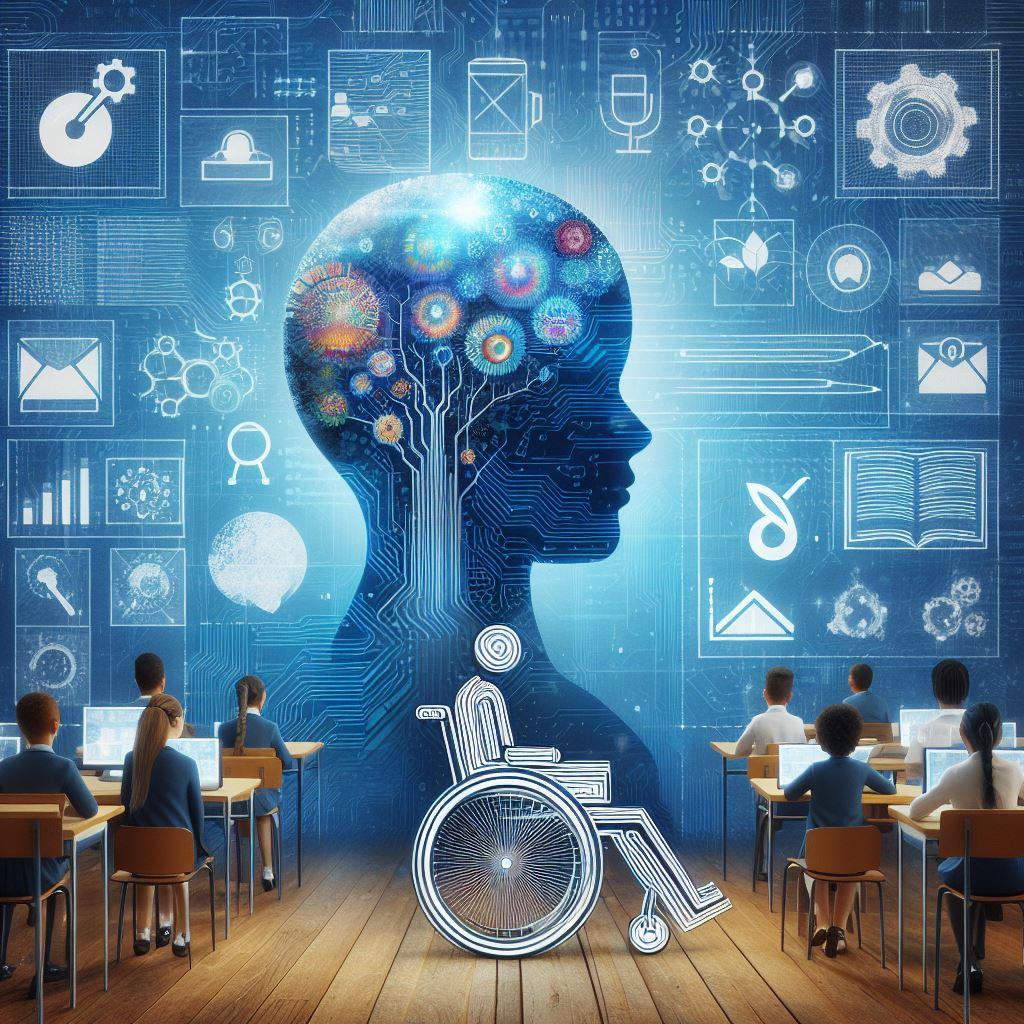
the Future of AI in Higher Education Institutions: Innovations, Challenges, and Opportunities
Introduction: Embracing Artificial Intelligence in higher Education
artificial Intelligence (AI) is dramatically reshaping the landscape of higher education institutions worldwide. From personalized learning and advanced administrative automation to enhanced research capabilities, AI in higher education is paving the way for a smarter, more efficient, and inclusive academic future. As universities and colleges strive to stay ahead in a rapidly evolving digital world, understanding the current trends, innovations, challenges, and potential opportunities posed by AI is essential for educators, administrators, and students alike.
Innovations Driven by AI in Higher Education
The integration of artificial intelligence in higher education has led to groundbreaking innovations that are transforming how institutions operate and deliver knowledge. Here are some key areas where AI is making a significant impact:
- Personalized Learning Experiences: AI-powered adaptive learning systems analyze student data to recommend customized study paths, ensuring each learner progresses at their optimal pace.
- Bright tutoring Systems: Virtual tutors, driven by machine learning algorithms, provide real-time feedback and assistance, supplementing traditional classroom instruction.
- Automated Administrative Tasks: AI-based chatbots and virtual assistants are streamlining admissions,answering frequently asked questions,and improving overall campus engagement.
- Advanced Data Analytics: Predictive analytics help institutions identify students at risk of dropping out, developing tailored intervention strategies to boost retention and success rates.
- Smart Content Creation: AI tools generate personalized quizzes, summaries, and multimedia resources, making course material more engaging and accessible.
- AI-Powered Research: Automated data analysis, natural language processing, and machine learning enable faster literature reviews and groundbreaking discoveries across academic disciplines.
Benefits of AI in Higher Education Institutions
Leveraging AI in universities and colleges offers numerous advantages for all stakeholders:
- Enhanced Student Engagement: tailored learning paths keep students motivated and allow for greater autonomy over their education.
- Improved academic Outcomes: Real-time data analytics enable timely interventions, reducing dropout rates and boosting graduation rates.
- Operational Efficiency: Automating repetitive administrative tasks frees up staff time,allowing human resources to focus on strategic initiatives and student support.
- Wider access and Inclusion: AI enables accessible learning tools such as speech-to-text,translation,and adaptive resources,breaking down barriers for students with disabilities or language difficulties.
- Accelerated Research: AI-driven insights unlock new opportunities for interdisciplinary research and data-driven decision making.
Case Studies: AI Transforming Universities
Let’s take a look at how leading universities are already utilizing artificial intelligence in higher education:
-
Georgia State University’s Pounce Chatbot:
By answering over 200,000 student questions during admissions, the Pounce chatbot increased engagement and reduced summer melt, helping more incoming students transition smoothly into college life.
-
carnegie Mellon University’s Simon Initiative:
This pioneering adaptive learning project leverages AI to analyze learning behavior and refine course content, substantially improving student achievement in STEM fields.
-
The Open University’s OU Analyse:
Using predictive analytics, OU Analyse identifies students at risk and notifies academic advisors, increasing opportunities for timely personalized interventions.
Challenges facing AI Adoption in higher Education
While the future of AI in higher education institutions is bright, several notable challenges must be addressed to realize its full potential:
- Data Privacy and Security: Ensuring student data remains confidential and secure remains a top concern, especially with ever-evolving cybersecurity threats.
- Bias and Fairness: AI algorithms can perpetuate biases present in training data, possibly impacting grading, admissions, or resource allocation. Institutions must prioritize algorithm transparency and fairness.
- Faculty Readiness and Digital Literacy: Triumphant AI implementation requires comprehensive training and ongoing professional advancement for educators and staff.
- Financial Investment: The initial costs of AI infrastructure, software, and training can be significant, posing barriers for some institutions—especially smaller colleges or those in developing regions.
- Ethical Considerations: Open questions remain around the extent to which AI should make decisions affecting student lives and academic progression.
“AI is not about replacing educators and administrators—it’s about empowering them with intelligent tools so they can offer even greater value to their students.” — Higher Ed Tech Thought Leader
Opportunities: Unlocking the Full Potential of AI in Academia
Despite these challenges, the opportunities for harnessing AI in universities have never been greater:
- Lifelong Learning Ecosystems: Personalized AI platforms can support continuous upskilling and reskilling throughout graduates’ careers.
- Global Collaboration: AI-driven collaboration tools make it easier for students and researchers in different countries to work together seamlessly on complex global challenges.
- Smart Campus Initiatives: From optimizing energy use to managing classroom space and enhancing campus security, AI can make university operations smarter and more sustainable.
- Support for Underserved Communities: AI-driven online learning platforms can bring high-quality education to remote or marginalized populations worldwide.
- Enhanced Research Funding: AI can definitely help universities identify grant opportunities and automate submission processes, driving academic innovation.
practical Tips for Successfully Integrating AI in Higher Education
- Start with Clear Goals: Identify specific institutional challenges where AI can make an immediate impact, such as improving student retention or streamlining admissions.
- Prioritize Data Governance: Establish robust policies for data privacy, ethical use, and algorithmic transparency from the outset.
- Invest in faculty Training: Offer regular professional development and encourage collaboration between IT specialists, educators, and administrators.
- Foster an Innovation Culture: Encourage experimentation with pilot AI tools, gathering feedback from students and staff before large-scale deployment.
- Engage Stakeholders: Involve students, parents, faculty, and even community members in AI adoption discussions to build trust and inclusivity.
Conclusion: Charting a Smarter Future for Higher Education
As artificial intelligence continues to revolutionize higher education institutions, the potential for transformative positive change is unprecedented. By embracing AI-powered innovations, addressing key challenges proactively, and seizing the remarkable opportunities ahead, colleges and universities can deliver more individualized, accessible, and impactful learning experiences for all.
The future of AI in higher education lies in informed,responsible implementation—where human expertise and creativity remain at the center,augmented and empowered by the formidable capabilities of intelligent technology. The journey has just begun, and the possibilities are limitless.