
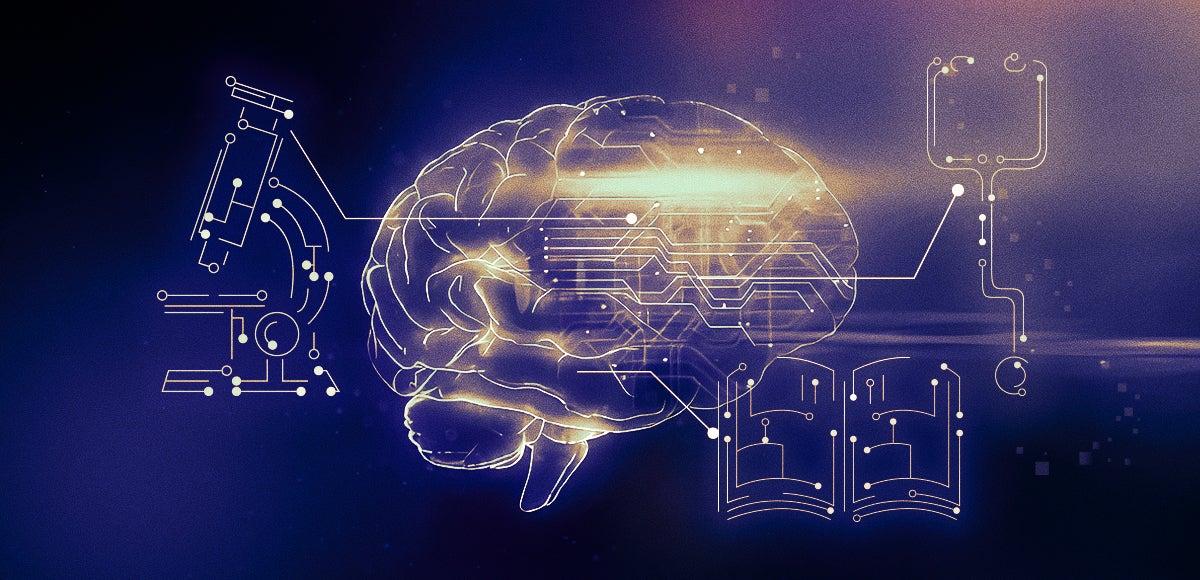
The Future of AI in Higher Education Institutions: innovations, Trends, and impact
Introduction: Embracing AI in Higher education
Artificial Intelligence (AI) is reshaping the landscape of higher education institutions worldwide. From revolutionary teaching methods and personalized learning paths to streamlined administrative processes and cutting-edge research, AI is paving the way for a smarter, more accessible, and efficient education system. As universities and colleges adapt to rapid technological advancements, understanding the future of AI in higher education becomes essential for educators, administrators, students, and stakeholders. In this article, we delve deep into the innovations, trends, and impacts of AI in higher education institutions, backed by insightful examples and practical tips.
AI Innovations Transforming Higher Education
Artificial intelligence is revolutionizing various aspects of higher education, bringing forth innovative solutions that address long-standing challenges. key AI innovations include:
- Adaptive Learning Systems: AI-powered platforms such as Coursera’s adaptive courses and Pearson’s MyLab use real-time data to personalize content delivery, ensuring students receive tailored support and feedback.
- Automated Grading: Machine learning tools efficiently assess assignments, quizzes, and tests, providing instant feedback while reducing faculty workload and grading bias.
- Virtual Teaching Assistants: AI chatbots like IBM’s Watson Tutor offer 24/7 support, answering student queries, assisting with course selection, and enhancing engagement outside classroom hours.
- smart Content Creation: AI generates study materials,summaries,and practice questions,helping faculty deliver dynamic and relevant course content.
- predictive Analytics: AI analyzes student data to identify at-risk learners, predict performance trends, and support student retention strategies.
Real-World Applications: Case Studies
Emerging Trends Shaping the Future of AI in Higher Education
As AI adoption grows, several trends are shaping the future of higher education institutions:
- Data-Driven decision Making: Institutions are using big data and AI analytics to inform decision-making at every level, from admissions to alumni engagement, fostering greater transparency and accountability.
- Personalized Learning Experiences: AI customizes course materials, learning paths, and pacing to individual needs, making education more inclusive and effective.
- Expansion of AI-Assisted Research: Higher education institutions are harnessing AI to process vast datasets, accelerate academic research, and advance discoveries in fields like medicine, engineering, and social sciences.
- Ethics and AI Literacy: Growing awareness around ethical use of AI is prompting universities to offer courses on AI ethics, privacy, and digital responsibility, ensuring students are equipped to use AI responsibly.
- Enhanced Campus Operations: From smart scheduling to AI-driven security systems and resource optimization, AI is streamlining campus management.
Benefits of AI Integration in Higher education Institutions
The integration of AI offers numerous benefits for universities and colleges, including:
- Increased Efficiency: Automation of repetitive tasks allows faculty and staff to focus on student engagement and research.
- Improved Student Outcomes: Personalized learning and timely support interventions drive better academic performance and higher graduation rates.
- Greater Institutional Agility: data-informed strategies help institutions adapt quickly to changing educational needs and trends.
- Expanded Access and inclusion: AI-powered tools support diverse learning preferences and bridge gaps for remote or differently-abled students.
Challenges and ethical Considerations
While the future of AI in higher education is promising, some challenges must be addressed to ensure responsible and effective implementation:
- Data Privacy and Security: Protecting student data from breaches, misuse, and unauthorized access is paramount.Compliance with regulations like GDPR is essential.
- Bias and Fairness: AI algorithms must be audited to avoid perpetuating biases or inequalities in education.
- Faculty and Student Training: Complete digital literacy programs are needed to enable all stakeholders to confidently utilize AI tools.
- Cost and Infrastructure: Implementing AI technologies requires significant investment in hardware, software, and skilled personnel.
Practical Tips for Successful AI Implementation
If your institution is considering integrating AI into its systems, hear are some actionable steps to ensure a smooth and effective transition:
- Start with pilot Programs: Experiment with AI in specific departments or processes before scaling up.
- Engage Stakeholders: Involve faculty, students, IT teams, and administrators in the selection and implementation of AI tools.
- Prioritize Training: Offer comprehensive training sessions and resources for end-users of AI systems.
- Monitor and Evaluate: Routinely assess the performance and impact of AI initiatives, incorporating user feedback for continuous improvement.
- Address Ethical Concerns: Establish clear guidelines for privacy,data security,and algorithmic transparency.
First-Hand Experience: Voices from the Ground
“Adopting AI-powered grading and feedback systems has allowed me to spend more time mentoring students and innovating my courses. Initially, there was some skepticism, but with proper training and clear communication, both students and faculty now see the benefits.”
“Having an AI assistant available 24/7 made a real difference during finals week. I could get instant help even late at night,which reduced my stress and improved my grades.”
Conclusion: The Road Ahead for AI in Higher Education
The future of AI in higher education institutions is filled with promise and potential. As AI technologies continue to evolve,their thoughtful integration can lead to more personalized learning experiences,efficient campus operations,improved student outcomes,and cutting-edge research opportunities. However, realizing these benefits will require a collaborative approach, with careful attention paid to ethical, technical, and educational challenges. By embracing innovation and building a culture of digital literacy, higher education institutions can harness the power of AI to create an adaptive, inclusive, and future-ready academic surroundings.
Are you ready for the future of AI in higher education? Start exploring the possibilities, invest in AI literacy, and empower your institution to thrive in the digital age.