
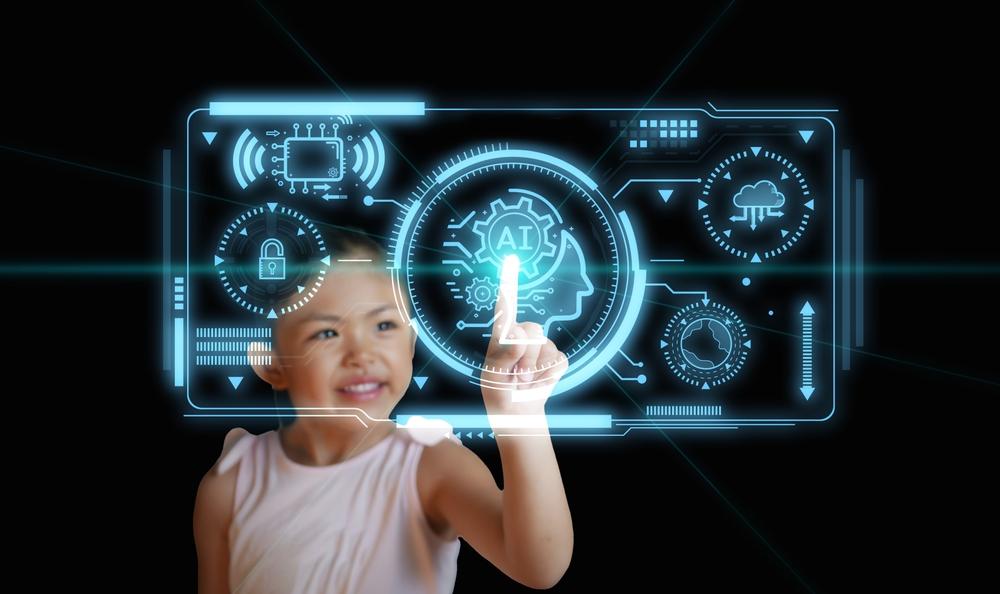
The Future of AI in Higher education Institutions: Transforming Learning and Teaching
Artificial intelligence is no longer just a buzzword; it’s actively reshaping every sector—including higher education. As colleges and universities embrace innovative technologies,AI promises transformative changes in how students learn and educators teach. From personalized learning to streamlined administrative processes,discover how the future of AI in higher education institutions is redefining the academic experience.
Introduction: AI’s Growing Influence in Higher Education
The integration of artificial intelligence (AI) in higher education represents a paradigm shift that’s revolutionizing campuses and classrooms worldwide. today’s colleges and universities are leveraging AI-driven tools to enhance curriculum delivery, personalize student experiences, and optimize campus operations. as artificial intelligence becomes increasingly sophisticated, its potential to transform learning and teaching environments is boundless.
How AI is Transforming Learning and Teaching
AI-powered technologies are rapidly altering the landscape of higher education. Let’s explore the key ways in which AI is reshaping both learning and teaching:
- Personalized Learning Paths: AI-driven adaptive learning platforms analyze student performance and preferences to offer customized study plans, assignments, and resources.
- Intelligent Tutoring Systems: Virtual tutors use natural language processing and machine learning to provide real-time feedback, answer questions, and guide students through complex subjects.
- automated Grading and assessment: AI algorithms can assess essays, quizzes, and exams quickly and objectively—giving educators more time to focus on meaningful instruction.
- AI-Enhanced Course Design: By analyzing vast amounts of educational data, AI tools assist faculty in developing more effective curricula that address student needs and learning gaps.
- Predictive Analytics for Student Success: AI models identify at-risk students, enabling targeted interventions and support before issues escalate.
AI and Blended Learning Experiences
Blended learning—combining online and in-person instruction—receives a significant boost from AI technologies. With the help of AI-driven platforms,educators can deliver engaging,multimedia-rich content while monitoring student progress in real time. This results in a more dynamic and interactive classroom, whether in-person or virtual.
Key Benefits of AI in Higher Education
Implementing AI in colleges and universities yields both immediate and long-term advantages:
- Increased Student Engagement: Interactive chatbots and gamified AI applications foster an active learning environment.
- Greater Accessibility and Inclusivity: AI ensures that learning resources are available for students with disabilities or diverse linguistic backgrounds by generating real-time captions, translations, and alternative learning materials.
- Efficient Administrative Processes: From streamlining admissions to providing automated academic advice, AI reduces administrative overhead and improves the student journey.
- Data-driven Insights: Institutions can make evidence-based decisions on enrollment,curriculum design,and student retention strategies by leveraging AI analytics.
- faculty Empowerment: Educators can focus on high-impact teaching and research, as repetitive tasks are delegated to AI tools.
Real-World Case Studies: Accomplished AI Integration
several higher education institutions have already experienced remarkable benefits from artificial intelligence initiatives:
Georgia State University: Predictive Analytics for Student Retention
GSU implemented AI-driven data analysis models to monitor over 800 variables affecting student retention. Consequently, the university increased graduation rates and reduced achievement gaps by proactively supporting at-risk students through timely interventions.
arizona State University: AI Chatbots for Student Support
Arizona State university employs AI-powered chatbots to answer student queries 24/7 regarding enrollment, housing, and academic policies. This has led to a measurable enhancement in student satisfaction and more efficient use of administrative resources.
Carnegie Mellon University: Automated Tutoring Systems
carnegie Mellon’s Open Learning Initiative uses AI-based tutoring systems that adapt to each student’s learning pace and style.These systems have led to higher course completion rates and improved academic performance.
Best Practices & practical Tips for Implementing AI in Higher Education
To unlock the full potential of AI in learning and teaching, institutions should adopt thoughtful strategies:
- Start Small: Pilot AI solutions in select courses or departments before scaling campus-wide.
- Invest in Faculty Training: Provide development opportunities so educators can effectively leverage AI tools and analyze data insights.
- Maintain Ethical Standards: Ensure transparency in AI-driven decisions and protect student data privacy at every stage.
- Engage Stakeholders: Involve students, staff, and faculty in AI implementation planning to foster acceptance and gather feedback.
- Monitor Outcomes: Regularly assess academic results, user satisfaction, and process improvements to guide ongoing AI integration.
Challenges and Considerations
While the future of AI in higher education institutions is promising, some challenges must be addressed:
- Cost of Implementation: Initial investments in AI systems and infrastructure can be significant for some universities.
- Data Privacy Concerns: Handling sensitive student details requires robust cybersecurity measures and compliance with legal standards like GDPR and FERPA.
- Bias in AI algorithms: It’s crucial to regularly audit algorithmic decisions to reduce unintended bias and promote fairness.
- Human Expertise Still Essential: AI tools should complement—not replace—the guidance, empathy, and experience of human educators.
the Future Outlook: Emerging Trends in AI for Higher Education
The evolution of artificial intelligence in higher education will shape new possibilities and redefine traditional academic models. Here are some trends to watch:
- lifelong Learning and Micro-Credentials: AI-enabled platforms will make continuous upskilling and micro-credentialing seamless and highly personalized.
- Virtual Reality (VR) and AI Integration: Immersive, AI-driven VR experiences will enhance simulations, labs, and collaborative projects for students worldwide.
- AI for Institutional Planning: predictive AI will help universities optimize resource allocation, facility management, and long-term academic planning.
- Advanced Language Processing: AI-powered translation and communication tools will break down language barriers and offer true global learning environments.
- Custom AI Solutions: With open-source platforms emerging, universities can develop specialized AI applications tailored to their unique missions and student populations.
conclusion: Embracing the Future of AI in Higher Education
artificial intelligence holds the key to a more equitable, efficient, and engaging academic experience. The institutions that strategically adopt AI will be better positioned to meet the evolving demands of tomorrow’s students, faculty, and global workforce. By confronting challenges proactively and focusing on sustainable, student-centered implementation, higher education can harness AI to unlock human potential and foster lifelong success.
As we look to the future, embracing AI in higher education isn’t just about upgrading technology—it’s about reimagining how we teach, learn, and innovate. The journey has only begun, and the opportunities are limitless.