
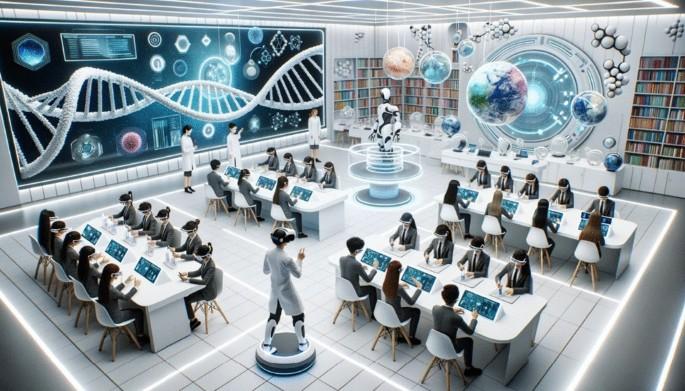
the Future of AI in Higher Education Institutions: Transforming Learning, Teaching, and Research
Artificial Intelligence (AI) is rapidly reshaping the landscape of colleges and universities worldwide. Discover how innovative AI technologies are revolutionizing learning experiences, enhancing teaching methods, and driving groundbreaking research within higher education institutions.
Introduction
The integration of artificial intelligence in higher education is no longer a futuristic concept—it’s a present-day reality. As colleges and universities seek to improve student learning outcomes,enhance teaching methodologies,and accelerate research productivity,AI emerges as a pivotal force. From adaptive learning platforms to smart research assistants, AI is transforming higher education institutions in unprecedented ways. In this complete guide, we’ll explore the benefits, use cases, challenges, and best practices for embracing AI across the academic spectrum.
How AI is Revolutionizing Learning in Higher Education
Personalized Learning Experiences
One of AI’s most significant impacts lies in its ability to personalize learning. With adaptive learning systems powered by machine learning algorithms, students receive content tailored to their individual strengths, weaknesses, and learning pace. These platforms analyse vast datasets to identify patterns and reccommend targeted activities, making education more accessible and efficient.
- dynamic assessments: AI-driven platforms create customized quizzes and assignments based on student progress.
- Smart tutoring systems: virtual tutors offer real-time feedback and support,bridging gaps in student comprehension.
- Content suggestion: Intelligent algorithms suggest supplementary resources to deepen understanding.
Increasing Accessibility and Inclusivity
AI tools, such as voice recognition, AI-based translation, and assistive technologies, are helping remove barriers for students with disabilities and those from diverse backgrounds.This democratization of education fosters equal opportunities and ensures that no one is left behind.
- Real-time language translation for international students
- Automated note-taking and closed captioning in lectures
- Personalized accessibility tools for differently-abled learners
AI-Enhanced Teaching Strategies in Higher Education Institutions
streamlining Administrative Tasks
AI-powered automation is revolutionizing repetitive administrative processes for educators. From grading essays to managing enrollment, these smart systems free up faculty time, enabling instructors to focus on pedagogy and mentorship.
- Automated grading and feedback on assignments
- Intelligent scheduling of classes and meetings
- Predictive analytics for early intervention with at-risk students
Enabling Data-Driven Decision Making
with educational analytics and learning management systems, educators can harness real-time insights to optimize course design, identify trends, and proactively address challenges. By leveraging AI-driven data, universities can improve retention rates and enhance overall academic quality.
- Real-time dashboards for student performance monitoring
- Predictive modeling for curriculum optimization
- Automated reporting and accreditation compliance
Transforming Research Through AI in Universities and Colleges
Accelerating Discovery and Innovation
Academic research stands to benefit tremendously from AI-powered tools and machine learning algorithms. These technologies can analyze massive datasets, identify hidden correlations, and even generate new hypotheses. The result is a faster, more efficient research process that drives innovation across scientific disciplines.
- Automated literature review: AI bots scan thousands of journal articles, summarizing key findings for researchers.
- Pattern recognition: Machine learning identifies novel trends in clinical, social, or technical data sets.
- Natural language processing (NLP): AI assists with grant writing, manuscript editing, and peer review processes.
Collaborative Research Networks
AI streamlines collaborative efforts, linking researchers across geographies and disciplines through intelligent platforms.These virtual networks foster interdisciplinary projects, accelerate knowledge transfer, and open opportunities for breakthrough discoveries.
- Automated matchmaking for research collaborators
- Shared AI-driven data analysis environments
- Virtual symposiums and peer review powered by AI moderation
Case Studies: The Impact of Artificial Intelligence in Higher Education
Stanford University’s Virtual Teaching Assistants
Stanford has implemented AI-driven virtual teaching assistants within its computer science department. These bots answer FAQs, guide students through assignments, and provide instant feedback, effectively supporting the learning process and alleviating the administrative burden on professors.
Georgia State University’s Predictive Analytics
Georgia State uses AI-powered predictive analytics to identify students at risk of dropping out. The institution then proactively intervenes—offering additional mentoring and resources. This approach has led to a significant betterment in retention rates and student success.
The University of Tokyo’s AI research Accelerator
The University of Tokyo harnesses machine learning algorithms to analyze vast amounts of genomic and clinical data, accelerating research in biomedical sciences and opening paths to innovative medical treatments.
Benefits and Challenges of Adopting AI in Higher Education Institutions
Key Benefits of AI in Academic Settings
- Increased efficiency: Automation of routine tasks reduces workload for faculty and staff.
- Improved learning outcomes: Personalized education adapts to students’ needs and fosters engagement.
- Enhanced research capabilities: Data-driven insights accelerate innovation and discovery.
- Greater inclusivity: AI tools cater to diverse learners and make education more accessible.
Challenges and considerations
- Privacy and security: Safeguarding student data and research information is critical.
- Bias and fairness: Ensuring AI systems do not reinforce social or academic inequities.
- Faculty buy-in: Providing adequate training and support for effective AI integration.
- Scalability: Implementing AI tools across large, diverse institutions can be complex.
Practical tips for Integrating AI in Higher Education
- Start with pilot programs: Test AI solutions on a small scale before wide adoption.
- Prioritize data ethics: Establish robust policies for data privacy,consent,and transparency.
- Invest in professional growth: Train faculty, staff, and students to use AI tools effectively.
- Engage stakeholders: Involve instructors, students, and administrators in selecting and evaluating AI platforms.
- Monitor and evaluate: Use analytics to assess the impact of AI adoption and make adjustments as needed.
first-Hand Experience: Voices from the Academic Community
Dr.Sandra Lee, an AI curriculum designer at a leading university, shares: “Integrating AI into our classrooms has not only streamlined my administrative workload, but has also enhanced my ability to deliver personalized feedback.Students appreciate the tailored resources, and I have more time for meaningful interactions.”
Graduate student Michael Gomez notes: “AI-based research tools have made the process of literature review much faster and less daunting. They help me focus on the creative aspects of my thesis rather than get bogged down by repetitive searches.”
Conclusion: Embracing the Future of AI in Higher Education
As AI continues to transform higher education institutions, the academic world stands on the brink of a new era—one marked by personalized learning, efficient teaching, and accelerated research. Tho challenges remain, proactive and thoughtful integration of artificial intelligence promises to unleash extraordinary benefits for students, faculty, and the broader community. By adopting AI with a focus on equity, transparency, and continuous improvement, universities and colleges can secure their place at the forefront of educational innovation.
Ready to take the next step? Explore the possibilities of artificial intelligence in higher education and empower your institution for the future of learning, teaching, and research.