
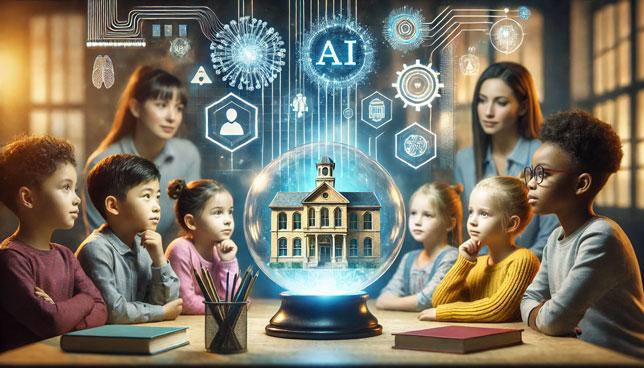
The Future of AI in Higher Education Institutions: Transforming Teaching and Learning
Artificial Intelligence (AI) is rapidly redefining the landscape of higher education.With a surge in digital transformation, universities and colleges are leveraging AI to revolutionize both teaching and learning. As forward-thinking educators and academic leaders seek innovative ways to stay ahead, understanding the future of AI in higher education institutions is essential. In this thorough guide, we’ll explore how AI is shaping the classroom experience, streamlining administrative tasks, and unlocking new opportunities for personalized education.
Table of Contents
- Introduction
- The Evolution of AI in Higher Education
- AI Applications in Teaching and Learning
- benefits of AI Integration
- practical Tips for Implementing AI
- Case Studies in AI Adoption
- Future Opportunities and Challenges
- Conclusion
Introduction: AI’s Emergence in Higher Education
The digital revolution has influenced higher education in unprecedented ways. AI-powered tools are no longer futuristic concepts but practical solutions offering tangible benefits. From intelligent tutoring systems to data-driven analytics, AI is transforming every aspect of academic life. As we look ahead, integrating Artificial Intelligence in higher education institutions will move from novelty to necessity.
The Evolution of AI in Higher Education
AI’s journey in academia began with automated grading and plagiarism detection tools. Today, AI’s role has expanded exponentially:
- Adaptive learning platforms tailor content based on student performance.
- Predictive analytics help identify at-risk students for timely interventions.
- Natural language processing supports language translation and improved accessibility.
- Virtual assistants provide 24/7 support for administrative and academic queries.
The scope continues to broaden,as both faculty and students benefit from AI’s integration into daily academic routines.
AI Applications in Teaching and Learning
1. Personalized Learning Experiences
AI algorithms analyze student data to create custom learning pathways. adaptive learning platforms such as Coursera and Khan Academy serve tailored content, ensuring no student is left behind. This capability is particularly beneficial for large class sizes, promoting inclusive education.
2. Intelligent Tutoring Systems
AI-powered tutors provide instant, individualized feedback, guiding students through complex subjects. These systems, backed by machine learning, identify a learner’s struggles and adapt their approach accordingly, enhancing mastery and retention.
3. Enhanced Assessment Methods
Automated grading doesn’t just save faculty hours—it supports objective, data-driven assessments. AI can also generate personalized quizzes, helping students reinforce learning in real-time.
4.Smart Content Creation
AI can automate the creation of digital textbooks, summarizing key concepts or even generating video lectures. Tools like ScribeSense and OpenAI’s ChatGPT are already being used to streamline materials and boost content accessibility.
5. Streamlined Administrative Tasks
From enrollment services to exam proctoring, AI simplifies operations. Virtual administrative assistants reduce the workload on staff, while predictive analytics help institutions optimize course offerings and resource allocation.
Benefits of AI in Higher Education Institutions
The adoption of AI technologies in universities and colleges brings meaningful advantages,including:
- Personalized Education: Students receive customized support,increasing engagement and academic success rates.
- Greater Accessibility: Language translation, speech recognition, and text-to-speech tools make education more inclusive.
- Increased Efficiency: Automating repetitive tasks allows faculty to focus on meaningful interactions with students.
- Data-Driven Decision-Making: Real-time analytics empower institutions to refine strategies and proactively address challenges.
- Cost Optimization: AI streamlines resource allocation, leading to more efficient use of budgets and reduced operational costs.
- Scalability: AI platforms enable institutions to deliver high-quality education to larger and diverse audiences.
Practical Tips for Implementing AI in Higher Education
Ready to harness the future of AI in higher education? Here are essential steps for academic institutions:
- Start Small: Pilot AI projects in one department or program to gauge impact and gather feedback.
- Invest in Professional Development: Train faculty and staff to use AI tools effectively, ensuring adoption and ethical compliance.
- Prioritize Data Security: Establish robust data privacy policies to protect sensitive student details.
- Encourage Collaboration: Foster partnerships with edtech companies, AI researchers, and other universities for shared learning.
- Monitor and Evaluate: Assess learning outcomes and adjust AI strategies based on evidence and student input.
Case Studies: Leading the Way in AI Transformation
Stanford University: Aligning chatbots With Student Services
Stanford’s AI-driven chatbot, “Ask Jane,” supports students with real-time answers on enrollment, campus life, and academics. The university reported a decrease in response times and more personalized student engagement.
Georgia State University: Predictive Analytics for student Success
Georgia State employs predictive analytics to identify students at risk of dropping out, enabling early interventions. The institution recorded a significant graduation rate increase and reduced achievement gaps.
The Open University: Intelligent Tutoring and Adaptive Assessment
the Open University integrates AI-powered tutoring into online courses, offering instant feedback and adaptive assessments—leading to improved student satisfaction and learning outcomes.
Future Opportunities and Challenges
As AI continues to evolve, new frontiers are emerging for higher education:
- Virtual Reality (VR) & AI Synergy: Immersive learning environments will soon combine VR with AI-driven content, enabling experiential education in the virtual classroom.
- Lifelong Learning: AI can track alumni progress and recommend courses for continuous professional development, keeping graduates connected and institutions relevant.
- Global Accessibility: Real-time language interpretation and cultural adaptation will empower cross-border collaborations and diverse student cohorts.
However, integrating AI in higher education is not without challenges:
- Ethical Concerns: AI-driven decision-making raises questions about bias, fairness, and openness.
- Data Privacy: Protecting student information is vital to maintaining trust and regulatory compliance.
- Faculty Adaptation: Prosperous AI adoption requires a shift in teaching approaches and ongoing faculty training.
“AI is not a replacement for teachers, but a powerful partner in creating engaging, personalized, and effective learning experiences.”
Conclusion: Embracing the Future of AI in Higher education
The future of AI in higher education institutions offers a transformative vision where technology amplifies human potential. By responsibly adopting AI, universities and colleges can reinvent teaching, drive student success, and remain at the forefront of academic innovation. As this journey unfolds, educators and academic leaders must focus on ethical integration, data security, and collaborative learning environments to ensure AI serves as an inclusive and empowering force in education.
Whether you’re an academic leader,instructor,or student,now is the time to explore,experiment,and lead the charge toward a smarter,more dynamic future for higher education.
FAQs
- How can students benefit directly from AI in higher education?
Students experience personalized learning paths,real-time feedback,and greater access to resources and support through AI-powered tools. - What skills do educators need to thrive in an AI-enabled academic surroundings?
Educators should focus on digital literacy, data interpretation, and flexible pedagogical approaches that integrate technology meaningfully. - Are there risks involved in implementing AI in higher education?
Yes. Data privacy, algorithmic bias, and ensuring equal access to AI tools are critical challenges that must be addressed proactively.