
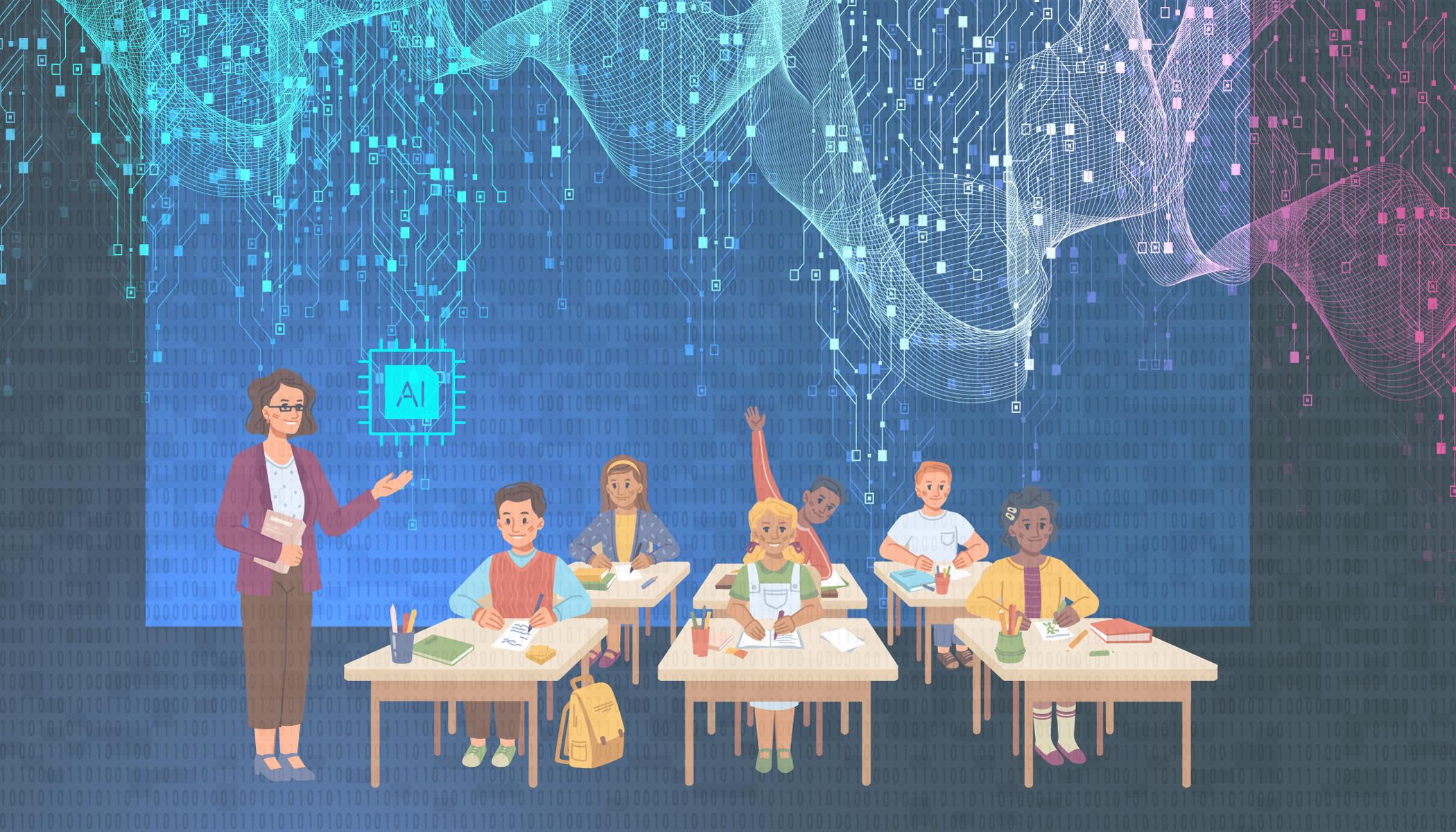
the Future of AI in Higher Education Institutions: Transforming Teaching,Learning,and administration
Artificial Intelligence (AI) is rapidly reshaping the landscape of higher education. As universities and colleges strive to stay ahead in a tech-driven world, AI tools and applications are revolutionizing the ways educators teach, how students learn, and how institutions manage their resources. In this in-depth article, we’ll explore the profound impact of AI in higher education institutions, highlight real-world examples, and provide practical tips for embracing this technological wave.
Why AI is a Game-changer for higher Education
The integration of AI in higher education is no longer a futuristic fantasy—it’s a present-day reality. From smart campuses to personalized learning experiences, AI is enabling educational institutions to operate more efficiently and effectively. Here’s why AI is a game-changer:
- Enhanced Learning Outcomes through personalized education and data-driven insights.
- Operational Efficiency via automation of administrative tasks and resource optimization.
- Increased Accessibility for students with diverse backgrounds and learning needs.
- Data-Informed Decisions improving strategic planning and student success rates.
Transforming Teaching: AI-Powered Instructional Tools
One of the most meaningful impacts of AI in higher education is the transformation of teaching practices. AI-powered educational tools provide instructors with invaluable resources to enhance curriculum delivery and student engagement.
Key AI Applications in Teaching
- Bright Tutoring Systems: Platforms such as Carnegie Learning and Squirrel AI adapt to students’ individual learning styles, providing real-time feedback and tailored content recommendations.
- Automated Grading: AI algorithms streamline the assessment process, saving educators time and ensuring grading consistency for essays, coding assignments, and even complex projects.
- Virtual Teaching Assistants: Chatbots like Jill Watson, developed at Georgia Tech, provide 24/7 support to students, answering questions and guiding them through course materials.
- Content Creation Tools: AI aids professors in generating interactive modules,quizzes,and multimedia content tailored to different learning needs.
By reducing administrative burdens, instructors can dedicate more time to fostering critical thinking and mentorship, elevating the quality of education.
Revolutionizing Student Learning Experiences
AI in higher education is empowering students to take charge of their learning journeys in unprecedented ways. Adaptive learning platforms and intelligent recommendation systems are central to this change.
How AI Transforms the Student experience
- Personalized Learning Paths: AI-driven platforms analyse students’ strengths, weaknesses, and preferences to recommend specific courses or study modules.
- On-Demand Support: Chatbots and AI-powered peer learning systems are available around the clock, providing help exactly when students need it.
- Predictive Analytics: AI helps identify at-risk students before they fall behind, allowing institutions to provide timely interventions and support.
- Inclusive Learning: Speech recognition, assistive technologies, and real-time translation tools make education accessible for students with disabilities or language barriers.
These capabilities foster student engagement, improve retention rates, and ensure that all learners have the opportunity to succeed, regardless of their starting point.
Streamlining Administration with AI Technologies
Beyond teaching and learning,AI in the administration of higher education institutions is optimizing back-end processes,reducing manual workloads,and driving smarter,data-driven decision-making.
Administrative Tasks Powered by AI
- Admissions and Enrollment: AI tools analyze applicant data to predict student success, enabling more effective admissions strategies and targeted outreach.
- Scheduling and Resource allocation: Intelligent scheduling systems automatically allocate classrooms, instructors, and resources based on predicted demand.
- Student Services: Virtual assistants help students with administrative queries,from registration to financial aid,improving service quality and response times.
- Campus Security: AI-driven facial recognition and predictive analytics enhance campus safety and emergency response protocols.
By streamlining repetitive processes, AI enables administrative staff to focus on strategic, high-impact tasks that further the institution’s mission.
Real-World Case Studies: AI in action
Numerous leading higher education institutions are already reaping the benefits of artificial intelligence. Here are two illustrative case studies:
case Study 1: Georgia Tech’s Jill Watson
Georgia Tech developed Jill Watson, an AI virtual teaching assistant, to handle the flood of student questions in a large online course. jill efficiently answered thousands of routine inquiries, enabling human instructors to focus on complex discussions—greatly improving student satisfaction and engagement.
Case Study 2: Arizona State University and Adaptive Learning
Arizona State University leverages AI-powered adaptive learning systems to customize course content for each student. As a result, the university saw a significant boost in both student performance and retention rates.
Benefits of AI Adoption in Higher Education
- Efficiency: automation of administrative tasks and grading frees up valuable human resources.
- Scalability: AI enables institutions to handle growing student populations with fewer bottlenecks.
- Personalization: Instruction is tailored to individual needs, improving outcomes and satisfaction.
- Accessibility: Technology breaks down barriers, supporting learners with diverse backgrounds and abilities.
- Improved Decision-Making: Data analytics guide curriculum improvements, resource allocation, and student support.
practical Tips for Embracing AI in Higher Education
For universities and colleges considering the adoption of AI, here are some actionable steps:
- Start Small: Pilot AI projects in specific departments or processes before scaling institution-wide.
- Invest in Training: Equip faculty and staff with the skills to leverage AI tools effectively.
- Focus on Ethics & Transparency: Establish clear policies to ensure fairness, privacy, and responsible AI use.
- Collaborate with EdTech Providers: Partner with trusted technology firms for guidance and support.
- Solicit Feedback: Continuously collect feedback from students and staff to refine AI strategies.
Overcoming Challenges and Addressing Concerns
While the benefits are substantial, embracing AI in higher education also presents challenges. Concerns include data privacy, potential bias in algorithms, resistance to change, and the need for substantial investment. Institutions must prioritize:
- Ethical AI Development: Ensuring algorithms are transparent and free from biases.
- Robust Cybersecurity: Protecting student data and institutional systems from cyber threats.
- Change management: involving educators, administrators, and students in the transition process.
- Continuous Evaluation: Regularly assessing AI tools for effectiveness and fairness.
Tackling these challenges head-on ensures that AI adoption is both ethical and sustainable.
Conclusion: Shaping the Future of Higher Education with AI
The future of AI in higher education institutions is radiant and brimming with potential. By leveraging artificial intelligence, universities and colleges can deliver transformative benefits—not only to educators and administrators but, most importantly, to students. As AI continues to mature, its influence will deepen, fostering greater accessibility, innovation, and student success across the higher education landscape.
institutions that embrace AI thoughtfully, ethically, and strategically will be best positioned to shape the next era of teaching, learning, and administration. The journey has only just begun, and the opportunities are limitless.