
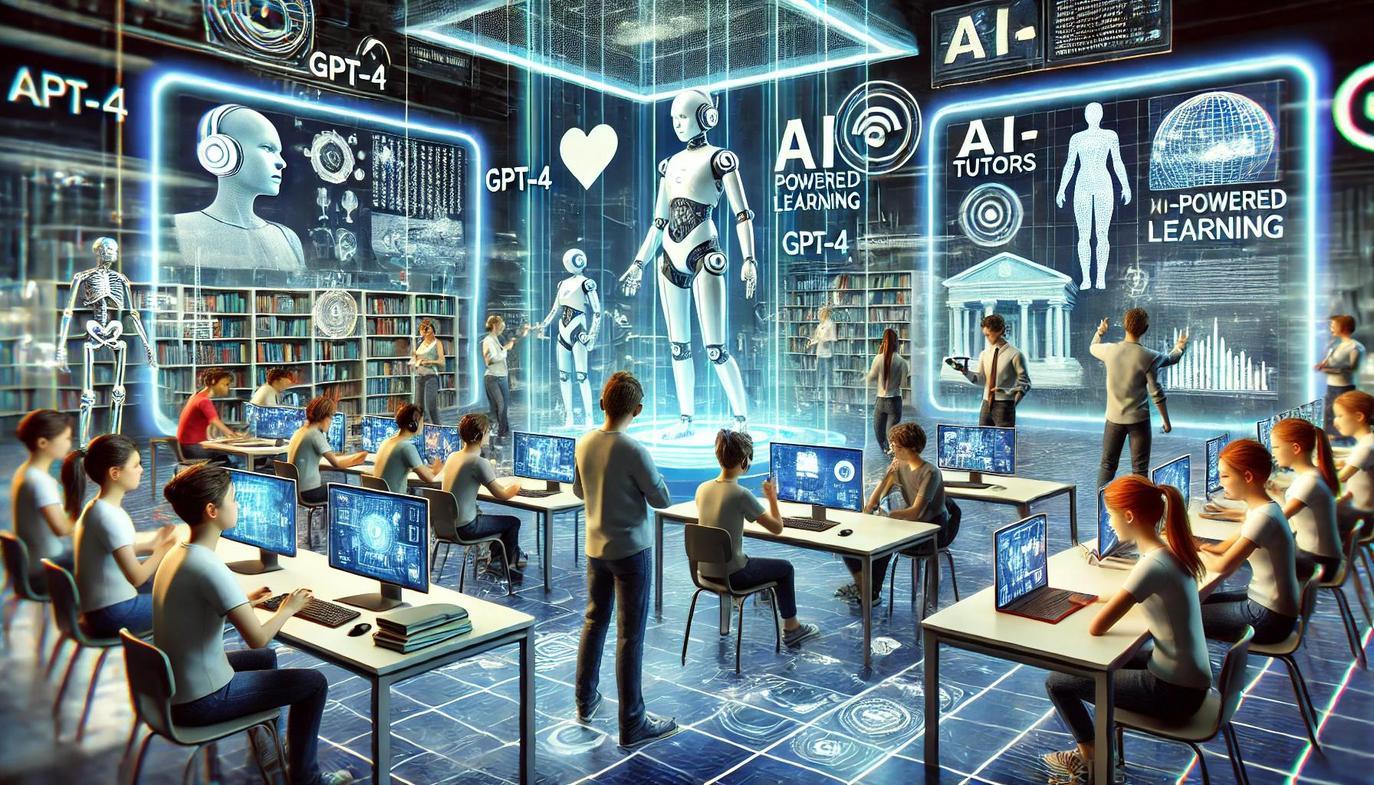
the Future of AI in Higher Education Institutions: Transforming Teaching,Learning,and Campus Operations
Introduction
Artificial intelligence (AI) is rapidly reshaping the landscape of higher education institutions worldwide. From personalized learning platforms to automated administrative processes, AI technologies are ushering in a new era that promises to transform teaching, learning, and campus operations. As universities and colleges strive to remain competitive and relevant,embracing AI in higher education has become more than just a trend—it’s a strategic imperative. This article dives deep into the future of AI in higher education, uncovering its transformative power, the benefits it delivers, practical implementation strategies, and inspiring real-world case studies.
how AI is Transforming Teaching and Learning
The integration of artificial intelligence in higher education institutions is revolutionizing pedagogical approaches and student experiences. AI-driven solutions are making education more personalized, efficient, and accessible:
Personalized Learning Experiences
- Adaptive Learning Platforms: AI algorithms analyze students’ strengths, weaknesses, and learning styles to tailor educational content, pacing, and assessments. This enables instructors to address diverse learner needs more effectively.
- Smart Tutoring Systems: Chatbots and virtual assistants provide round-the-clock academic support, answering student queries and recommending relevant resources based on their progress.
- Predictive analytics for Student Success: By leveraging big data and machine learning,institutions can identify students at risk of underperforming,allowing timely interventions and guidance.
Enhancing the Faculty Experience
- Automated Grading: AI can perform assessment tasks, including grading essays and quizzes, saving faculty significant time and reducing human error.
- Content Generation: Tools like AI content writers and syllabus builders provide faculty with ready-to-use teaching materials aligned with curriculum standards.
- Innovative Teaching Methods: AI-powered analytics help instructors understand which teaching styles resonate best with learners, promoting continuous improvement.
AI-Powered Campus Operations
The potential of artificial intelligence in streamlining campus operations is profound. Higher education institutions are leveraging AI to optimize resources, enhance safety, and improve administrative workflows:
- Smart Enrollment Management: Universities use predictive models to forecast enrollment trends, target prospective students, and automate admissions processes.
- Smart facilities Management: AI-powered systems monitor energy consumption,space utilization,and maintenance schedules,reducing costs and improving sustainability.
- Campus Safety & Security: Advanced computer vision and predictive analytics help campus security teams respond to incidents in real time and prevent potential threats.
- Chatbots for Student Services: Virtual assistants streamline registration, financial aid inquiries, and technical support, boosting student satisfaction.
Benefits of AI in Higher Education
The advantages of adopting artificial intelligence in higher education institutions are multi-faceted and impactful:
For Students
- Access to personalized learning paths for improved outcomes
- On-demand academic assistance via AI-powered tutors
- Early identification of academic challenges,enabling support
- Flexible scheduling and enhanced accessibility
For Faculty and Staff
- Streamlined grading and administrative workload
- Actionable insights for pedagogical improvement
- Efficient content creation and curriculum development
For Institutions
- Optimized resource allocation and campus operations
- Enhanced student engagement and retention rates
- Better capacity for data-driven decision making
- Competitive edge in attracting students and faculty
Case Studies: AI in Action at Leading Universities
Numerous higher education institutions have successfully integrated artificial intelligence into their ecosystems,setting benchmarks for others to follow:
Georgia State University
- Implemented AI-powered chatbots to assist students with admissions,financial aid,and enrollment queries.
- Resulted in a 21% increase in student retention rates by identifying and proactively supporting at-risk students.
Carnegie Mellon University
- Deployed adaptive learning platforms that personalize computer science courses for thousands of students.
- Students reported improved understanding and retention of complex concepts, and faculty observed increased course completion rates.
Stanford University
- Utilized computer vision and IoT devices to enhance campus security and automate access control.
- The AI-driven system significantly reduced unauthorized access and improved overall safety for students and staff.
Practical Tips: Implementing AI in Higher Education
For higher education leaders looking to embrace AI, here are practical tips to maximize ROI and minimize implementation hurdles:
- Start Small: Pilot AI solutions in select departments to gain early insights and build institutional buy-in.
- Invest in Training: Educate faculty,staff,and students about AI tools,encouraging adoption and reducing resistance.
- Prioritize Data Security: Ensure compliance with data privacy regulations and robust cybersecurity protocols.
- Foster Collaboration: Engage stakeholders and AI experts in co-designing solutions to meet contextual needs.
- Measure impact: Track KPIs and gather feedback to continuously refine AI initiatives.
Challenges and Considerations
- Ethical Concerns: Address bias in AI algorithms by implementing transparency and ethical frameworks.
- Budget Constraints: Factor in costs for infrastructure upgrades, software licenses, and ongoing maintenance.
- User Adoption: Overcome resistance to change through continuous training and demonstrable value.
- Data Privacy: Protect student and staff data with robust encryption and access controls.
Conclusion: Embracing the Future of AI in Higher Education
the future of AI in higher education institutions shines bright with possibilities. As artificial intelligence continues to evolve, it will unlock more opportunities to personalize teaching, enhance the student experience, and streamline campus operations. Universities and colleges that embrace AI today stand to lead tomorrow’s academic landscape by fostering innovation, efficiency, and inclusivity.
Weather you’re a university leader exploring strategic investments, a faculty member seeking effective teaching solutions, or a student curious about AI-powered learning, the journey to AI integration is both exciting and transformative. By harnessing the power of artificial intelligence in higher education, institutions are catalyzing a smarter, more accessible, and more prosperous academic future for all.