
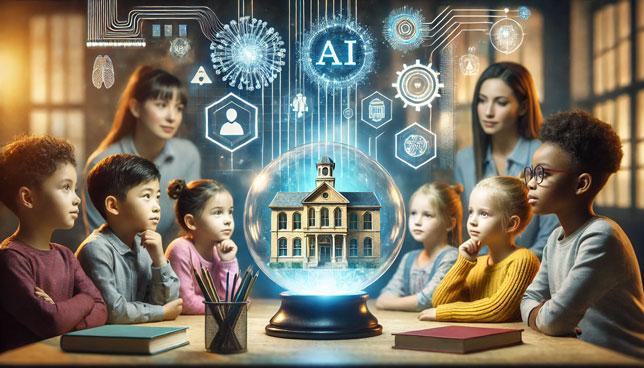
The Future of AI in Higher Education Institutions: Trends, Benefits, and Challenges Ahead
Artificial intelligence (AI) is no longer a distant vision—it’s rapidly reshaping higher education institutions worldwide.universities and colleges are leveraging AI technologies to enhance teaching, streamline administrative processes, and revolutionize the student experience. In this in-depth article, we’ll uncover the trends shaping AI in higher education, highlight the key benefits and practical applications, share real-world case studies, and examine the challenges these institutions must overcome. Whether you’re an educator, administrator, or student, understanding the future of AI in higher education can help you stay ahead in an increasingly digital academic landscape.
Emerging Trends of AI in higher education Institutions
The integration of artificial intelligence is transforming how universities deliver education, manage resources, and support student outcomes. here are some of the latest AI trends in higher education:
- Personalized Learning Paths: AI-powered platforms analyze student data to create customized learning experiences, adapting content, pacing, and assessments to individual needs.
- AI Tutors and Chatbots: Virtual assistants are available 24/7 to answer questions, provide feedback, and guide students through coursework or administrative tasks.
- Predictive Analytics: Universities use AI algorithms to identify at-risk students, forecast enrollment trends, and support staffing decisions based on real-time data.
- Automated Grading and Feedback: Machine learning models speed up the grading process for objective assessments, allowing educators more time to focus on high-level instruction.
- Bright Content Creation: AI tools can generate lecture notes, quizzes, and even interactive simulations, enriching the academic curriculum.
- campus Safety and Security: Facial recognition and sentiment analysis are helping to enhance security and mental health monitoring for a safer campus surroundings.
Key Benefits of AI in Higher Education
Embracing artificial intelligence in higher education institutions delivers a wide range of advantages that enhance academic and operational excellence:
- Enhanced Learning Outcomes: Personalized AI-driven recommendations help students achieve better grades and improved retention rates.
- Efficient Administrative Processes: automation reduces repetitive manual tasks—from admissions to timetable management—freeing up staff for more strategic responsibilities.
- Data-Driven Decision Making: Wiht robust analytics, colleges make informed choices regarding admissions, resource allocation, and student support initiatives.
- Increased Access and Inclusivity: AI breaks down barriers for students with disabilities and those from underserved backgrounds through adaptive technologies and real-time translation services.
- cost Savings: Streamlining operations with AI tools leads to significant cost reductions across departments.
Practical Applications and Success Stories
Manny universities are already integrating AI to transform education delivery and administration.Here are a few stand-out examples:
- Georgia State University: Leveraged an AI-powered chatbot, “Pounce,” to answer student queries on financial aid and registration, leading to a 21% increase in student engagement and a reduction in summer melt.
- Stanford University: Uses adaptive learning platforms in select courses to provide real-time recommendations and support personalized student progress, resulting in higher course completion rates.
- Carnegie Mellon University: Pioneered the Open Learning Initiative (OLI),utilizing AI and machine learning to analyze student learning patterns and refine digital course design.
These initiatives highlight the potential of AI in higher education institutions to drive measurable improvements in student outcomes, efficiency, and engagement.
Challenges and Ethical Considerations
Despite tremendous promise, the future of AI in higher education isn’t without obstacles. Academic leaders and policymakers must address the following challenges:
- Data Privacy and Security: Handling sensitive student information requires robust data protection and compliance with regulations like FERPA and GDPR.
- Bias and Fairness: AI models trained on incomplete or biased data can perpetuate inequalities; ongoing monitoring and transparency are critical.
- Faculty Training and adoption: Ensuring educators have access to training and support enables meaningful integration of AI technologies into curricula.
- Digital Divide: Varying levels of technology access among students can lead to uneven learning experiences unless institutions invest in equitable infrastructure.
- Cost of Implementation: High initial investment in advanced AI systems can be a significant barrier for smaller colleges and universities.
Addressing these concerns is essential to maximize the positive impact of AI in higher education institutions and to build trust among students, faculty, and society at large.
Practical tips for Successful AI Adoption in Higher Education
- Start with clear Objectives: Identify specific goals—such as boosting retention rates or improving administrative efficiency—before implementing AI solutions.
- Engage Key Stakeholders: Involve students,faculty,and IT teams in planning and provide ongoing support to encourage adoption.
- Pilot Small-Scale Projects: Test AI technologies in select departments or courses before broad rollout, then scale up based on data-driven results.
- Prioritize Ethical AI: choose vendors and tools that demonstrate commitment to transparency, privacy, and unbiased algorithms.
- Invest in Professional Progress: Offer training programs to help educators integrate AI tools into their teaching and research.
AI in Higher Education: First-Hand Experience
To gain a deeper viewpoint on AI’s evolving role, we spoke with Dr.Sarah Thompson,Professor of Educational Technology at State University,who shared:
“Integrating AI into our curriculum has transformed the way we approach teaching. Not only are students experiencing a more personalized education, but faculty are able to focus on mentoring and innovative activities rather than routine grading. Though,we continually assess the ethical implications and strive for transparency with all stakeholders.”
Perspectives like these reinforce the need for a balanced, proactive approach as AI transforms higher education institutions.
Conclusion: Navigating the Path Forward
The future of AI in higher education institutions is bright, offering unprecedented opportunities for personalized learning, operational efficiency, and institutional growth. By staying attuned to emerging trends, leveraging best practices, and addressing ethical and logistical challenges, colleges and universities can harness the full power of artificial intelligence to reimagine the academic experience.
As AI continues to evolve, embracing innovation while prioritizing equity, privacy, and human-centered design will be key. Higher education institutions that successfully integrate AI will be poised to lead the next generation of learning and research.