
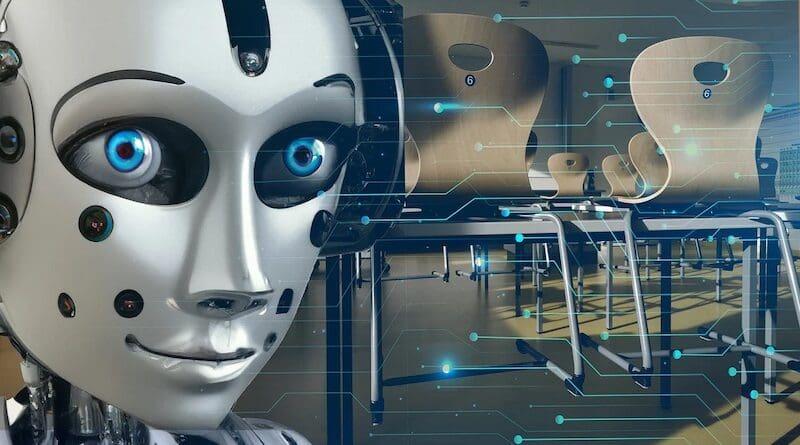
The Future of AI in Higher Education Institutions: Trends, Benefits, and challenges
Artificial Intelligence (AI) is radically transforming every industry, and higher education is no exception. universities and colleges worldwide are embracing AI tools and solutions to redefine teaching, learning, research, and governance. As institutions adapt to the evolving technological landscape, understanding the future of AI in higher education institutions is crucial for educators, administrators, students, and policymakers alike. In this article, we’ll explore key AI trends, potential benefits, real-world case studies, challenges, and practical tips to successfully integrate AI into academia.
Emerging Trends of AI in Higher Education
The adoption of AI in higher education is accelerating, driven by rising expectations from digital-native students and the need for more efficient campus operations. Here are some of the most influential AI trends reshaping universities and colleges:
- Personalized Learning: AI-powered adaptive learning platforms analyze students’ strengths and weaknesses, delivering customized content, quizzes, and feedback to enhance individual learning outcomes.
- Bright Tutoring Systems: Virtual tutors and chatbots provide instant academic support, answer FAQs, and guide students through challenging topics any time of day.
- Automated Administrative Processes: AI streamlines routine tasks such as admissions processing, grading, scheduling, and document review, freeing up staff for more complex work.
- Predictive Analytics for Student Success: Advanced data analytics identify at-risk students early, helping institutions intervene with tailored support and improve retention rates.
- Enhanced Research Capabilities: AI accelerates research workflows by automating data analysis, enabling faster discoveries and more impactful projects.
- AI-Driven Content Creation: Tools like AI-assisted writing and video editing support educators in developing high-quality, engaging learning materials faster than ever before.
Benefits of AI in Higher Education Institutions
Integrating artificial intelligence in higher education offers transformative advantages that ripple across the entire academic ecosystem:
1. Improved Student Experience and engagement
- Personalized learning paths and resources cater to diverse learning styles.
- 24/7 access to AI-powered tutors and support systems increases satisfaction and academic performance.
- Real-time feedback enables students to identify and address knowledge gaps promptly.
2. Greater Operational Efficiency
- Automated workflows reduce manual paperwork, errors, and administrative burdens.
- AI-driven scheduling and enrollment tools streamline time-consuming processes for both faculty and students.
3. Data-Informed Decision Making
- Predictive analytics aids in early identification of at-risk students, facilitating proactive interventions.
- Real-time dashboards and reports guide resource allocation and strategic planning.
4. Enhanced Research and Innovation
- AI-based data mining uncovers patterns and insights in vast datasets unattainable by manual analysis.
- Researchers harness machine learning to innovate across STEM,healthcare,humanities,and beyond.
5. Accessibility and Inclusion
- AI-driven language translation and speech recognition platforms support non-native speakers and students with disabilities.
- Adaptive technologies create more inclusive and equitable learning environments.
practical Applications and Case Studies
AI’s impact is not theoretical; many higher education institutions are already leveraging artificial intelligence to great effect. Consider these real-world examples:
Georgia State university: Their AI-powered chatbot “Pounce” answered over 200,000 questions from incoming freshmen in its frist summer,reducing summer melt (students accepted who don’t enroll) by over 20%.
Arizona State University: Uses predictive analytics to support student retention, reportedly improving first-year retention rates from 78% to 86%.
Harvard University: Employs AI-driven grading tools that provide instant, consistent feedback on student writing assignments, allowing instructors to focus on deeper mentorship.
Imperial College London: Leverages machine learning algorithms in biomedical research, accelerating drug discovery for diseases like COVID-19.
Challenges of Integrating AI in Higher Education
While the potential of AI in higher education institutions is immense, universities and colleges must also navigate several important challenges:
1. Data Privacy and security
- Handling large volumes of sensitive student data raises privacy and security concerns.
- Compliance with regulations such as GDPR is critical.
2. Ethical and Bias Issues
- AI algorithms can inadvertently perpetuate biases if not carefully monitored and updated.
- Ensuring clarity and fairness in automated decision-making remains a major concern.
3. Faculty and Staff Training
- Widespread adoption of AI requires investing in digital literacy and training for instructors and support staff.
- Resistance to change or insufficient training can slow or undermine implementation efforts.
4. Financial Investment
- AI solutions can require significant upfront costs for software,hardware,and infrastructure upgrades.
- Securing sustainable funding remains challenging, especially for smaller institutions.
5.Integration with Legacy Systems
- AI deployment often requires integration with existing campus technologies, wich may be outdated or incompatible.
- Careful planning and phased rollouts are essential for a seamless transition.
Tips for Accomplished AI Adoption in higher Education
To harness the full value of AI in higher education, consider these practical steps:
- Engage Stakeholders Early: Involve faculty, staff, students, and IT teams in the planning and decision-making process.
- Start Small, Scale Up: Pilot AI solutions in select departments or programs before wider adoption.
- Prioritize Data Governance: Establish clear protocols for privacy, access, and ethical use of data.
- Invest in Professional progress: Provide ongoing training and support to empower faculty and staff to use AI effectively.
- Monitor Outcomes: regularly assess the impact of AI tools on learning, teaching, and administration, and refine approaches based on evidence.
- Collaborate with Industry Partners: Tap into expertise from EdTech companies, research labs, and other institutions for best practices and innovative solutions.
Conclusion: Navigating the Future of AI in higher Education Institutions
The future of AI in higher education institutions is both promising and complex. Artificial intelligence has the power to personalize learning,enable data-driven teaching,streamline operations,and accelerate research innovation. Though, embracing these benefits requires addressing challenges related to privacy, ethics, training, and integration. Higher education leaders who proactively shape AI strategies, invest in infrastructure and people, and champion a culture of responsible innovation will be best positioned to unlock the full potential of AI for academic excellence and student success.
As AI in higher education continues to evolve, staying informed about emerging trends, best practices, and real-world applications will be key. By fostering collaboration and putting students at the center of technological change, universities and colleges can lead the way in shaping a brighter, more inclusive, and more innovative academic future.