
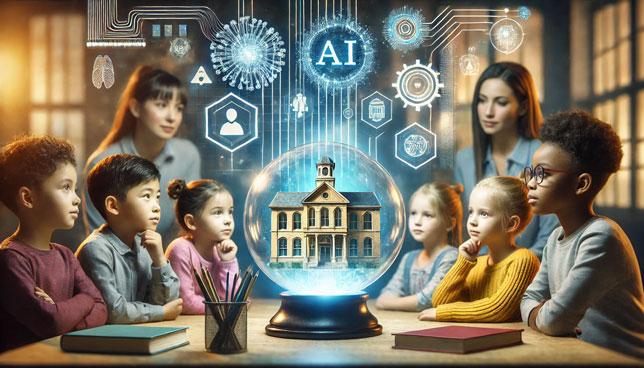
The Future of AI in Higher Education Institutions: Trends, Impacts, and What to Expect
The rapid growth of artificial intelligence (AI) is revolutionizing sectors worldwide, and higher education institutions are no exception. Colleges and universities are increasingly leveraging AI to enhance teaching, streamline administrative processes, and personalize student learning experiences. This article delves deep into the future of AI in higher education: key trends, transformative impacts, and expert predictions on what students, educators, and administrators can expect in the coming years.
Table of Contents
- Introduction
- Emerging AI Trends in Higher Education
- Impacts of AI on Higher Education Institutions
- Benefits and Practical Applications
- Case Studies: Real-World AI in Academia
- Challenges and Considerations
- What to Expect in the Next Decade
- Conclusion
Introduction: AI’s Transformative Journey in Higher Education
AI technology has evolved rapidly,moving from basic automation to sophisticated machine learning,deep learning,and natural language processing solutions. For higher education institutions, this means more than just upgrading IT infrastructure—it’s reshaping the core of how teaching, learning, and research occur. As we stand on the brink of a new era, it is crucial to understand where AI is taking the academic world, and how educators and students can best prepare for its impacts.
Emerging AI trends in Higher Education
Several important AI trends are poised to shape the future of universities and colleges. Recognizing these patterns can help institutions make strategic decisions and stay ahead.
- Personalized and Adaptive Learning: AI-driven platforms analyze student performance and learning styles,delivering customized coursework,feedback,and resources for a tailored educational experience.
- AI-Powered Chatbots and Virtual Assistants: Chatbots answer student inquiries 24/7, automate administrative tasks, and guide students through admissions, registration, and student services.
- Automated Grading and Assessment: Machine learning algorithms streamline grading processes for assignments and exams, freeing up educators’ time and providing instant feedback to students.
- Predictive Analytics for Student Success: AI analyzes vast datasets to identify at-risk students, recommend interventions, and improve retention by predicting academic outcomes.
- Enhanced Research and Data Analysis: AI enables deeper, faster analysis of complex research data, supporting faculty and students in making novel scientific discoveries.
- Immersive Learning with AI and AR/VR: Combining AI with augmented or virtual reality creates immersive simulations, labs, and experiential learning experiences.
- Accessible Learning Solutions: AI-powered language translation and text-to-speech systems break down barriers for students with disabilities or language differences.
Impacts of AI on higher Education Institutions
The adoption of AI in academia is already leading to profound changes across multiple domains:
1. Teaching and Learning Enhancement
- Personalization: Students receive individual learning pathways,helping them master content at their own pace.
- Immediate Feedback: AI-enabled tools provide real-time assessments, fostering continuous improvement.
- Faculty Support: AI handles repetitive grading and provides insights on student performance, allowing educators to focus on mentoring and advanced teaching strategies.
2.Administration and Campus Operations
- Admissions Automation: AI streamlines the screening and selection of applicants, ensuring fair and data-driven decisions.
- Resource Optimization: Predictive analytics help allocate faculty, classrooms, and resources more efficiently.
- Student Support Services: Virtual assistants and chatbots improve the responsiveness and efficacy of campus services.
3. Research Advancements
- Big Data Insights: AI accelerates research by automating data collection, analysis, and hypothesis testing.
- Collaboration: AI tools facilitate interdisciplinary research by connecting academics with similar interests and datasets globally.
Benefits and Practical Applications of AI in Higher Education
The benefits of AI for colleges and universities are extensive.Here are some practical use cases making a real difference:
- Smarter Course Recommendations: AI algorithms analyze student performance, ambitions, and personality traits to suggest ideal courses, reducing dropout rates and improving engagement.
- Proactive Student Support: Algorithms track student engagement, flagging those who may be struggling and triggering early interventions.
- AI-Powered Tutoring: Self-paced, clever tutoring systems supplement faculty instruction, available anytime and tailored to each student’s weak points.
- Automated Scheduling: Timetabling software employs AI to design efficient class and exam schedules, eliminating conflicts and maximizing resource use.
- Reduced Administrative Burden: Chatbots handle routine questions and tasks, letting staff focus on high-value interactions with students.
Practical tips for Implementing AI in Higher Education
- Start with Clear Goals: Define specific outcomes—improved retention,streamlined admissions,or better student services—before selecting AI tools.
- Invest in Training: Offer professional development for faculty and staff to ensure that new systems are adopted effectively.
- Ensure Data Privacy: Adhere to data protection regulations when using AI platforms that process student facts.
- Monitor Equity: Use AI ethically to avoid reinforcing biases in admissions or grading.
- Pilot and Scale: Begin with small-scale pilots, measure outcomes, and scale up accomplished initiatives across the institution.
Case Studies: Real-World AI in Academia
Georgia State University: Student success with AI Chatbots
Georgia State University implemented an AI-powered chatbot to assist with financial aid and enrolment queries. The result? A 22% reduction in summer melt (students failing to enroll after acceptance) and improved student satisfaction, showcasing the potential of conversational AI in higher education.
Sindhu Sundar, Harvard University: AI-Driven research
Harvard scientists are leveraging machine learning to comb through massive datasets in genomics and biomedical research. This enables rapid hypothesis testing and accelerates the pace of discovery.
Arizona State University: Adaptive Learning Platforms
utilizing AI-powered adaptive learning technologies,Arizona State university personalized math instruction,leading to dramatically improved pass rates in introductory courses and closing achievement gaps among diverse student populations.
Challenges and Considerations for AI in Higher Education
While the future of AI in higher education institutions is brimming with promise, it also presents unique challenges:
- Algorithmic Bias: Unchecked AI systems might perpetuate systemic biases in grading or admissions.
- Privacy Concerns: Institutions must manage and secure large volumes of sensitive data responsibly.
- Faculty adaptation: Faculty may face resistance to adopting new AI tools, necessitating robust training and change management strategies.
- Cost and Infrastructure: Implementing AI requires substantial initial investment and robust digital infrastructure.
- Transparency and Accountability: Decisions made by AI systems should be explorable and explainable to both students and staff.
Tip: Collaborate with trusted AI solution providers,involve stakeholders in decision-making,and pilot innovations before full-scale implementation to minimize risks and disruptions.
What to Expect in the Next Decade: The Road Ahead for AI in Higher Education
as artificial intelligence becomes ever-more sophisticated, we can anticipate several sweeping shifts across higher education institutions worldwide:
- hyper-personalization: Courses and degree programs will adapt in real-time to learner performance, goals, and market trends, helping students achieve learning outcomes faster and more effectively.
- Fully AI-Enabled Campuses: Expect intelligent scheduling, smart facilities management, and continuous digital support powered by AI.
- Lifelong and Micro-learning: AI will play a key role in facilitating modular, flexible education for a diverse, lifelong learner base responding to evolving workforce needs.
- Enhanced Collaboration: AI-driven platforms will connect institutions, companies, and researchers globally, accelerating innovation and peer-to-peer learning.
- Ethical AI leadership: Universities will take center stage in developing, regulating, and teaching ethical AI usage, shaping the next generation of tech-savvy leaders.
conclusion: Embracing the AI-powered Future of Higher Education
AI is not a distant dream, but an active force transforming the landscape of higher education institutions today. From personalized learning pathways and automated campus operations to groundbreaking research and equitable student outcomes, the opportunities are immense—for those ready to embrace them.
While challenges persist, by taking a thoughtful, student-centered, and ethical approach, colleges and universities can harness the power of AI to foster innovation, increase access, and prepare graduates for a rapidly changing world. As higher education continues its digital metamorphosis, those institutions quickest to adapt today will be the leaders of tommorow’s academic landscape.
Are you ready to unlock the future of AI in higher education? Stay informed, experiment with emerging technologies, and be part of the journey that will define the next generation of learning and discovery.