
The Future of AI in Higher Education: Transforming Learning and Innovation
Artificial intelligence (AI) is rapidly reshaping the landscape of higher education worldwide. From personalized learning paths to bright campus management, AI’s integration in colleges and universities is more than a trend—it’s a revolution that promises to empower learners, educators, and administrators. In this in-depth article, we explore the future of AI in higher education, its transformative benefits, innovative applications, and practical strategies for adapting to this evolving ecosystem.
Why Is AI in Higher Education So Important?
The infusion of AI technology into higher education is driven by the need for adaptive learning environments, data-informed decision-making, and the efficient management of resources. Higher education institutions are leveraging machine learning, natural language processing, chatbots, and predictive analytics to create a more dynamic, inclusive, and innovation-driven academic experience.
Key Benefits of AI in Higher Education
- Personalized Learning Experiences: AI algorithms analyze student data to tailor course content, assessments, and feedback, ensuring every learner receives support suited to their needs.
- Adaptive Assessments: Intelligent testing platforms dynamically adjust question difficulty based on student performance,offering fairer and more accurate evaluations.
- Smart Content Creation: Automated tools generate curricula, digital textbooks, quizzes, and multimedia resources, enabling educators to focus more on mentorship and less on repetitive tasks.
- Improved Student Support: AI-powered chatbots and virtual assistants provide instant help, answer queries, and guide students around-the-clock, enhancing engagement and retention.
- Enhanced Administrative Efficiency: From enrollment processes to resource allocation, AI streamlines operations and reduces administrative workload, saving time and costs.
- Early Intervention & Retention: Predictive analytics identify at-risk students, prompting timely interventions to boost student success and graduation rates.
Transformative AI Applications in Higher Education
AI’s role extends far beyond textbooks and testing. Here’s how artificial intelligence is pioneering a new era in higher education:
1. AI-Powered Adaptive Learning Systems
AI learning platforms such as Knewton,SAP Litmos,and Coursera’s Recommendation Engine employ elegant algorithms to customize courses,assignments,and study materials. Thes personalized pathways help students master concepts at their own pace, significantly enhancing knowledge retention and engagement.
2. Intelligent Virtual Mentors and Chatbots
Higher education institutions use AI-driven chatbots and virtual advisors like Georgia State University’s Pounce to offer personalized guidance, addressing student questions on enrolment, scheduling, financial aid, and coursework round-the-clock.
3. Automated Grading and Assessment
AI-based grading systems rapidly assess assignments and exams, providing instant feedback.This not only improves the learning loop but allows instructors to devote more time to teaching and one-on-one engagement.
4. AI-Powered Fraud Detection and Academic Integrity
Tools such as Turnitin and proctoring apps use AI to detect plagiarism, monitor online examination environments, and uphold academic standards.
5. data-Driven Institutional Decision Making
advanced analytics platforms process vast data sets, assisting administrators with enrollment forecasting, student success prediction, resource planning, and strategic development.
Case Studies: AI Success Stories in Higher Education
Georgia State University’s AI chatbot
Faced with high summer melt rates, Georgia State University implemented “Pounce”, an AI chatbot designed to answer queries from admitted students. Result? A 21% reduction in summer melt and thousands of student questions answered during off-hours, all at a fraction of the traditional cost.
Carnegie mellon University’s Learning Engineering
Carnegie Mellon’s Open Learning Initiative employs AI-driven cognitive tutors to adapt coursework to each student’s skill level. The university reports higher pass rates and improved student satisfaction in foundational courses.
Deakin University’s Genie
Deakin University in Australia developed “Genie”, a digital assistant supporting students with study schedules, reminders, and campus services. Student surveys indicate increased engagement and easier navigation through university life.
Potential Challenges and Ethical Considerations
While the future of AI in higher education is promising,these advances are not without challenges:
- Data Privacy: Collecting and analyzing student data raises concerns over data security and personal privacy.
- Algorithm Bias: AI systems can inadvertently reinforce existing biases if not carefully designed and audited.
- Digital Divide: Equitable access to AI-powered tools remains a challenge for students from disadvantaged backgrounds and less digitally developed regions.
- Faculty Adaptation: Integrating AI into curricula requires faculty buy-in, reskilling, and continuous professional development.
Institutions must address these risks by adopting obvious data practices, regularly reviewing AI systems for bias, and ensuring equal access and support for students and staff.
Practical Tips for Implementing AI in Higher Education
- Start with Clear Objectives: Define the goals AI should help you accomplish—whether it’s boosting enrollment, improving learning outcomes, or streamlining operations.
- Pilot with Scalable Projects: Launch small-scale AI implementations in specific departments or programs before campus-wide deployment.
- Invest in Training: Empower faculty and staff with AI literacy training, emphasizing practical use cases and hands-on experimentation.
- Prioritize Security and Ethics: Enforce robust cybersecurity measures and establish ethical AI guidelines for openness and accountability.
- Foster Collaboration: Work with edtech companies, AI startups, and other universities to share resources, case studies, and best practices.
- Seek Student Involvement: Involve students in design and feedback processes to maximize relevance and adoption of AI-driven solutions.
The Road Ahead: What’s Next for AI in Higher Education?
AI’s future in higher education points toward even greater personalization,automation,and global collaboration. Likely trends include:
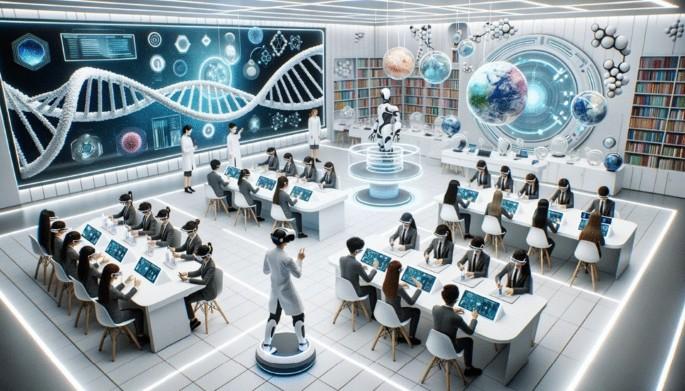
- Immersive AI-driven Learning Environments: Integration of AI with virtual and augmented reality to create highly interactive classrooms.
- Predictive Academic Planning: AI advisors will soon help students map out optimal academic journeys, internships, and research opportunities.
- Lifelong Learning Platforms: Universities will offer modular, just-in-time learning experiences, powered by AI to meet diverse learner needs.
- Automated Credential Verification: secure AI platforms will validate degrees, transcripts, and skills, accelerating hiring and continuing education.
The institutions that are proactive, ethical, and collaborative in their AI adoption will lead the way in redefining the college experience for generations to come.
Conclusion
The future of AI in higher education is both exciting and certain. As artificial intelligence continues to transform how we learn,teach,and manage academic environments,students and educators are poised to benefit from more personalized,efficient,and innovative educational experiences. By embracing AI’s potential while navigating its ethical and practical challenges, higher education can unlock a new era of growth, access, and excellence.
Ready to future-proof your institution? Stay informed, experiment boldly, and be part of the AI-driven revolution shaping higher education!