
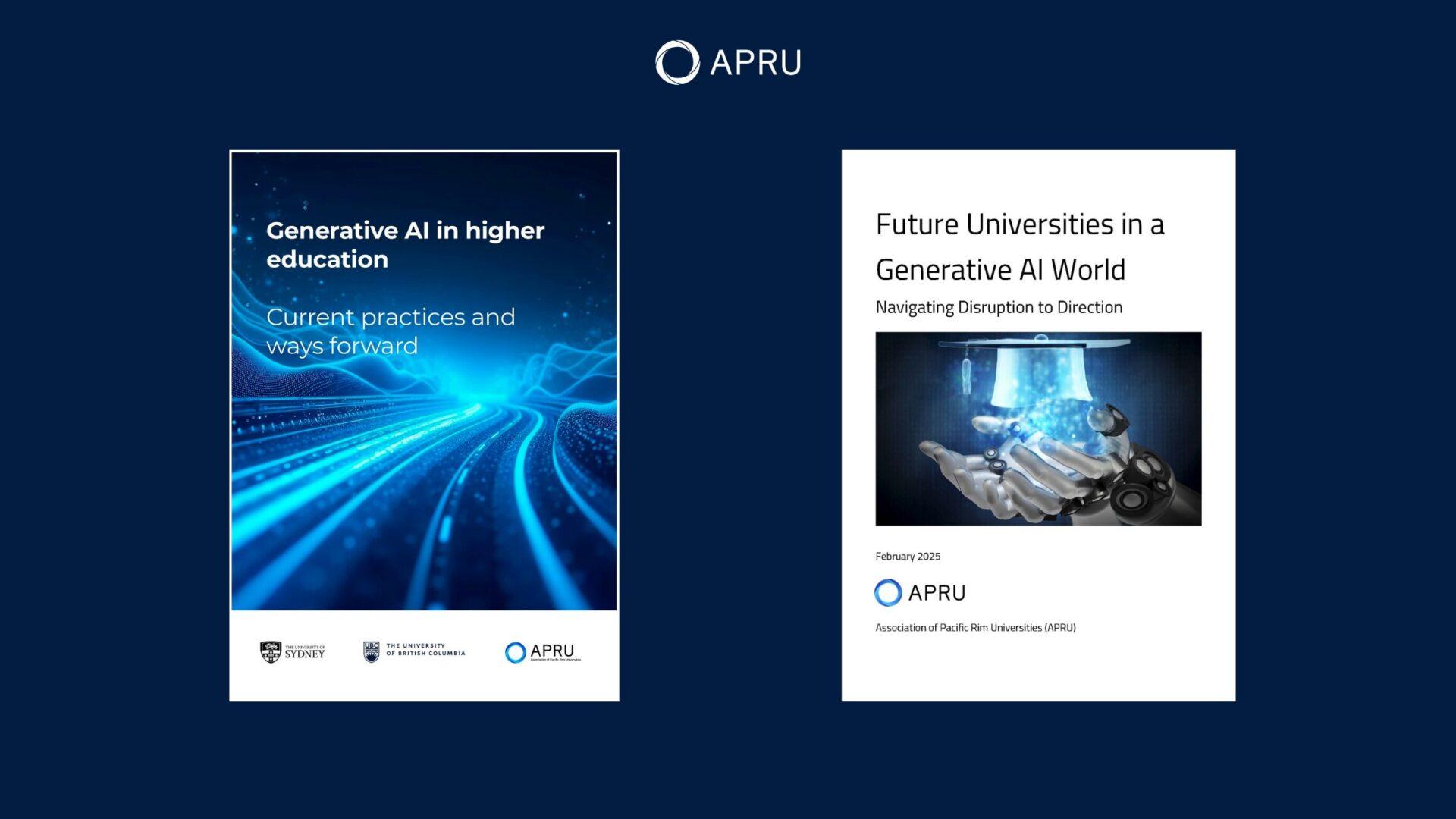
The Future of AI in Higher education: Transforming Teaching, Learning, and Administration
Artificial Intelligence (AI) is rapidly reshaping higher education, promising groundbreaking changes for students, educators, and administrators alike. As technology continues to innovate, universities and colleges worldwide are harnessing the power of AI to enhance teaching methods, enrich learning experiences, and streamline campus operations. In this article, we’ll delve deep into the future of AI in higher education, exploring key benefits, real-life case studies, and practical tips for successful implementation.
AI in Higher Education: An Overview
AI in higher education refers to the use of machine learning, natural language processing, data analytics, and intelligent automation to improve educational outcomes. By integrating AI-driven technologies, institutions can:
- Personalize learning pathways for individual students
- Automate routine administrative processes
- Enhance research capabilities and academic integrity
- Predict student performance and provide timely interventions
- Foster inclusivity and accessibility
How Artificial Intelligence Is Transforming Teaching
AI is revolutionizing the way educators design and deliver instruction.Some of the most impactful applications include:
1. Personalized Learning
- Adaptive Learning Platforms: Tools like Knewton, Smart Sparrow, and Coursera’s adaptive assessments tailor content and assessments to each student’s progress and needs.
- AI-Powered Tutors: Chatbots and virtual tutors provide students with instant feedback, explanations, and support outside regular class hours.
2. Intelligent Content Creation
- Automated Content Generation: AI can generate quizzes, summaries, and even interactive simulations to complement lectures and enhance engagement.
- Smart Assessment: Machine learning algorithms help automate grading, freeing up instructors to focus on more nuanced feedback.
3. Enhanced Teaching Efficiency
- Data-Driven Insights: AI analytics spotlight learning trends, enabling educators to tailor strategies and address gaps proactively.
- Predictive Student Support: Early warning systems based on AI forecast potential dropouts, allowing timely mentoring and intervention.
AI-Powered Learning: Student Benefits and Experiences
For students, the integration of AI in higher education brings a more engaging, supportive, and accessible learning environment:
- 24/7 Learning: AI-powered platforms and chatbots offer round-the-clock access to resources and guidance, supporting various learning styles and timelines.
- Customized Learning Paths: AI adapts content based on students’ strengths,weaknesses,and pace,improving retention and satisfaction.
- Accessibility: Machine learning tools translate content,generate captions,and adjust materials for students with disabilities.
first-Hand Student Experience: AI Tutoring in Action
“Having access to an AI tutor meant I could clarify concepts at 2 AM before my finals. It adjusted to my questions and helped me focus on my weak points. I felt more confident and prepared than ever.”
AI in Higher Education Administration
The administrative landscape in universities and colleges is complex. AI-driven automation and analytics simplify and enhance multiple functions:
- Automated Admissions: AI streamlines applicant screening, verifies documents, and benchmarks candidate profiles, ensuring unbiased and efficient selections.
- Optimized Scheduling: Intelligent systems manage class timetables, resource allocation, and campus logistics, minimizing conflicts and maximizing efficiency.
- Data Security and Compliance: AI continuously monitors for threats, ensuring student data protection and regulatory compliance.
- Student Lifecycle Management: Predictive analytics support enrollment management, alumni engagement, and student career placement.
Case Study: AI-Driven Administrative Efficiencies
Arizona State University (ASU) implemented an AI-powered chatbot, Sunny, to answer thousands of student inquiries around admissions and course registration. Within months, response times plummeted, staff workloads decreased, and student satisfaction scores soared. The AI handled over 80% of inquiries without human intervention, freeing up staff for more complex tasks.
Challenges and Ethical Considerations
Despite its promise, AI in higher education presents several challenges:
- Bias and Fairness: Algorithms can perpetuate biases if not carefully designed and audited.
- Privacy Concerns: AI processes large volumes of personal data, making robust security protocols essential.
- Faculty Adaptation: Educators require training to effectively integrate AI into their teaching and assessment workflows.
- Openness: Stakeholders must understand AI decision-making processes to ensure accountability.
Practical Tips for Implementing AI in Higher Education
- Start Small: Pilot AI projects in one department or process before scaling up campus-wide.
- Invest in Training: Provide ongoing professional development for faculty and staff around AI tools and ethics.
- Partner with edtech Innovators: Collaborate with trusted AI technology vendors and integrate proven solutions.
- Focus on Data Governance: Establish clear policies for data collection,privacy,and AI system transparency.
- Engage Stakeholders: Include students, staff, and parents in decision-making to foster trust and acceptance.
Future Trends: What’s Next for AI in Higher Education?
The future of AI in higher education is brimming with potential. Key trends to watch include:
- Immersive AI Experiences: Integration with Virtual Reality (VR) and Augmented Reality (AR) for experiential, hands-on learning.
- Lifelong Learning Platforms: AI-driven personalized pathways for skills development and professional growth, beyond conventional degrees.
- AI for Academic Research: Automated literature reviews, data analysis, and hypothesis generation to accelerate research breakthroughs.
- Ethical AI Frameworks: Expansion of policies and guidelines to ensure responsible, fair, and inclusive AI use on campus.
- Global Collaboration: AI connecting institutions,researchers,and students worldwide for richer,cross-cultural educational experiences.
Conclusion: Embracing the AI-Driven Future of Higher Education
The integration of artificial intelligence is moving higher education toward a more personalized, efficient, and inclusive future.By harnessing AI for teaching, learning, and administrative processes, institutions can better equip students for the skills required in a fast-evolving world. While challenges remain, strategic implementation and a commitment to ethical use will unlock AI’s transformative power in academia.
Now is the time for higher education leaders to embrace AI-powered innovation—shaping institutions that are future-ready and student-focused.