
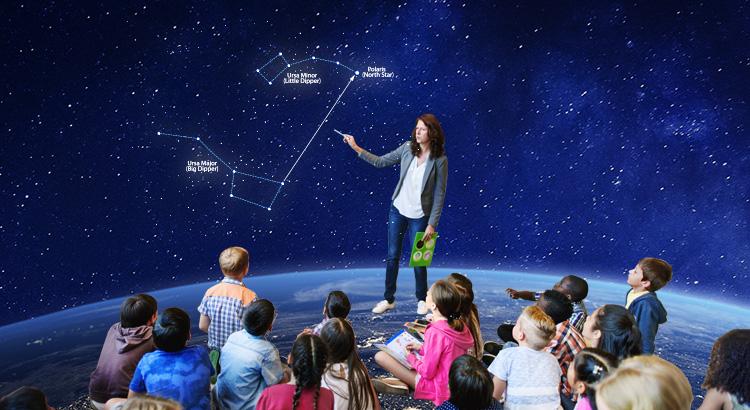
The Future of Augmented Reality in Textbooks: Revolutionizing Classroom Learning
Imagine opening a textbook and watching historical events unfold on your desk, or exploring the solar system in 3D from your classroom seat. This is not science fiction—augmented reality in textbooks is fast becoming a transformative force in education. By blending digital details with conventional learning materials,augmented reality (AR) makes complex subjects interactive,engaging,and memorable. As educators and publishers explore new ways to use AR, the future of classroom learning is set to undergo a revolution.
What is Augmented Reality in Textbooks?
Augmented reality (AR) refers to the integration of digital content such as images, 3D models, animations, and sounds into the real world, enhancing what we perceive through our devices. In the context of textbooks, AR overlays these digital elements onto printed pages using devices like smartphones, tablets, or AR-enabled glasses.
- Students scan textbook pages with an AR app to access interactive models or videos.
- Content is often triggered by specific images or QR codes embedded within textbooks.
- AR content can range from simple diagrams to full-fledged simulations.
Why Integrate AR into Textbooks?
The traditional textbook model, while invaluable, often struggles to capture student interest in an increasingly digital world. By integrating augmented reality in education, publishers and educators can:
- Increase engagement: interactive experiences naturally draw students into the subject matter.
- facilitate Deeper Understanding: Visualization of abstract concepts (like molecular structures or historical battles) aids comprehension.
- Personalize Learning: Students can learn at their own pace, revisiting AR content as needed.
- Encourage Collaboration: Group activities and shared AR experiences foster teamwork and interaction.
Key Benefits of Augmented Reality in Textbooks
- Improved Retention and Recall: Studies show that interactive, multi-sensory experiences help students remember information better.
- Instant Feedback: AR quizzes and activities can offer immediate responses, reinforcing correct learning.
- Accessibility: AR can be tailored for different learning abilities, providing alternative explanations or support where needed.
- Cost-Effectiveness: Digital overlays reduce the need for expensive physical materials like models or lab equipment.
- Environmental Impact: By updating digital content, textbooks have a longer shelf life and reduce paper waste.
How AR is Revolutionizing Classroom Learning
Interactive Learning Environments
The integration of AR textbooks in the classroom creates an immersive learning environment. As an example,in science classes,students can see virtual dissections of organisms,visualize chemical reactions,or even conduct virtual experiments safely. In history, AR brings ancient civilizations to life by reconstructing historical sites or simulating important events.
Real-Time Collaboration
With AR, group activities take on a new dimension. Using shared AR experiences, students work together to solve problems, explore complex ideas, or create collaborative projects, building teamwork and social skills.
Bridging Gaps in Remote and Hybrid Learning
EdTech AR solutions ensure students learning from home or in hybrid settings enjoy interactive content similar to their in-class peers. This levels the playing field and keeps learning consistent even outside traditional classrooms.
Case Studies: Augmented Reality Textbooks in Action
pearson’s Interactive Science Series
Pearson introduced AR-enabled science textbooks where students can interact with 3D models of human organs, watch chemical reactions, and play educational games. Schools using these resources report higher student engagement and improved exam scores.
McGraw-Hill’s Anatomy & Physiology Textbooks
McGraw-Hill launched an AR companion app, letting students visualize body systems and interact with anatomy models. This approach helped students grasp complex content more quickly and effectively, especially in large lecture settings.
Firsthand Experience: Student Viewpoint
“I was able to see a 3D model of the heart, spin it around, and watch it pump blood. It made understanding how it works so much easier than just reading about it!” — Emily,9th-grade biology student.
Practical Tips for Introducing AR in the Classroom
- Start Small: Select a few AR-enabled textbooks or apps and integrate them into specific lessons.
- Train Educators: Provide teachers with AR training and support to boost their confidence using the technology.
- Ensure Device access: Make sure students have access to the necessary smartphones, tablets, or school-provided devices.
- Gather Feedback: Regularly solicit input from students and teachers to refine implementation and identify best practices.
- Align AR Content with Curriculum: Choose AR features that directly support learning objectives, rather than being just flashy add-ons.
Challenges and Considerations
- Device Compatibility: Not all students have access to AR-compatible devices, possibly widening the digital divide.
- Teacher Training: Educators must feel cozy and confident integrating AR into their teaching.
- Distraction Risk: AR experiences must remain educationally focused to prevent off-task behavior.
- Privacy and Security: Schools must manage data security, especially when using apps that collect personal information.
- Content Advancement: creating high-quality, standards-aligned AR content requires investment and collaboration between publishers and educators.
What Dose the Future Hold for AR in Education?
The possibilities for AR in classroom learning are rapidly expanding.As technology advances,we can expect:
- Widespread Adoption: As device costs drop and internet access improves,more classrooms will integrate AR textbooks.
- Wearable technology: AR glasses and headsets may one day replace tablets and smartphones as the primary interface for digital learning.
- AI Integration: Artificial intelligence could further personalize AR experiences, adapting content to individual student needs in real-time.
- Curriculum-Wide Implementation: AR may move beyond science and math, enhancing subjects like literature, art, and social studies with immersive experiences.
- Global Collaboration: AR platforms can connect students worldwide, fostering cross-cultural understanding through shared virtual simulations and projects.
Conclusion
Augmented reality in textbooks is more than just a technological novelty—it is indeed leading a revolution in how students learn, interact, and remember information. As AR becomes more accessible, affordable, and aligned with educational standards, it will play a vital role in making classroom learning dynamic, inclusive, and effective. The future of AR in education is luminous, promising a generation of learners who are more engaged, curious, and prepared for tommorow’s challenges.
If you’re an educator or parent, now is the time to embrace the potential of AR-powered textbooks. Together, we can unlock new dimensions of classroom learning, making education not just a journey through pages, but a truly immersive experience.