
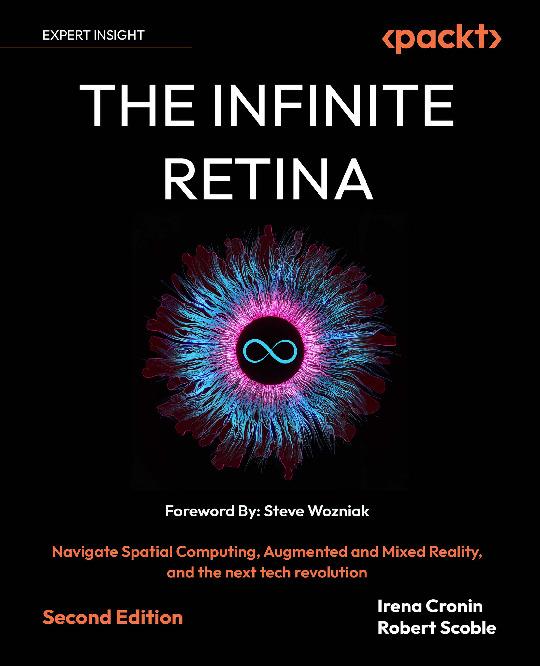
The Future of Augmented Reality in Textbooks: Revolutionizing Education for the Digital Age
In the ever-evolving landscape of educational technology, the integration of augmented reality in textbooks is poised too transform how students learn. The digital age has brought forth a wave of innovation, from interactive e-books to collaborative online platforms, but nothing quite compares to the immersive potential of augmented reality (AR). In this article, we explore how AR is reshaping textbooks, it’s profound impact on education, practical implementation tips, and what the future holds for this exciting technology.
What is Augmented Reality in Textbooks?
Augmented reality in textbooks refers to the integration of digital elements—such as 3D models, animations, audio, and interactive quizzes—into conventional learning materials. When students scan specific images or codes within a textbook using an AR-enabled device, these digital enhancements come to life, enhancing comprehension and engagement.
- Interactive 3D Models: Visualize complex concepts like molecular structures or ancient artifacts.
- Animated Explanations: Watch processes such as photosynthesis unfold in real time.
- Virtual Field Trips: “Step into” ancient civilizations or explore ecosystems without leaving the classroom.
- Instant Feedback: Receive immediate responses to quizzes and exercises embedded within textbooks.
Benefits of Augmented Reality in Education
The adoption of augmented reality in education offers a wealth of advantages that go beyond traditional learning methods.Let’s delve into the key benefits that are revolutionizing the student experience.
1. Increased Engagement and Motivation
AR transforms passive reading into active exploration. Students are no longer limited to static images or lengthy text; they interact directly with the material, making learning enjoyable and memorable.
2. Improved Comprehension and Retention
Complex concepts become accessible through visual and interactive aids. For example, a 3D heart model in a biology textbook allows students to examine each component, leading to better understanding and long-term retention.
3. Personalized Learning Experiences
With AR-enabled textbooks, educational content can adapt to the individual learner’s pace and style. Students can revisit interactive elements, replay explanations, or take quizzes as often as needed.
4. Bridging the Gap Between Theory and Practice
By simulating real-world environments and scenarios, augmented reality bridges the gap between theoretical knowledge and practical application—especially beneficial in fields like science, engineering, and medicine.
5. Accessibility and Inclusivity
AR tools can be designed for students with diverse learning needs,including those with visual or auditory impairments,ensuring every learner’s participation.
“Augmented reality empowers students to become creators of knowledge, not just consumers—opening doors to a more inclusive, dynamic, and engaging learning environment.”
— Dr. Priya Malhotra, EdTech Expert
Real-World Case Studies: AR in Action
Let’s take a look at how institutions around the globe are integrating augmented reality in textbooks to enhance the education experience:
Case Study 1: Pearson’s AR Biology Textbooks
Pearson, a leading educational publisher, launched a line of biology textbooks featuring AR content accessible via smartphones and tablets. Students reported:
- 30% greater engagement with course material
- Increased collaboration during group assignments
- A measurable enhancement in test scores compared to traditional textbooks
Case Study 2: Oxford University’s “Explore AR” Project
Oxford University pioneered the “Explore AR” initiative, where classic literature books included AR-driven annotations, author interviews, and contextual illustrations. The outcome:
- Boosted reading comprehension across diverse student groups
- Higher enthusiasm for classic texts among younger learners
Case Study 3: Korean High Schools and History Lessons
Several Korean schools now use AR-embedded textbooks to re-enact ancient historical events. These tools have been credited with:
- Making history more relatable and vivid
- Encouraging critical thinking by enabling students to virtually “witness” events
Practical Tips for Implementing AR in textbooks
Interested in adopting augmented reality in educational content? Here are some practical steps and best practices for educators and institutions:
1. Start Simple
- Begin with single-chapter enhancements or pilot AR modules before scaling to full textbooks.
2. Choose the Right AR Platform
- Select AR authoring tools that align with your curriculum—popular options include Metaverse Studio,ZapWorks,and BlippAR.
3. Invest in Teacher Training
- Offer professional development for teachers so they can fully leverage AR technology.
4.Ensure Accessibility and Device Compatibility
- Choose solutions that work across a spectrum of devices—tablets, smartphones, and school computers.
5. Gather Feedback
- Regularly seek student and teacher feedback to refine AR content and address any challenges.
First-Hand Experience: Voices from the Classroom
Educators and students are already experiencing the transformative power of augmented reality in learning:
“For the first time,my students coudl ‘walk around’ the Roman Colosseum as we studied its architecture.Their excitement was contagious, and their essays showed deeper critical thinking.”
— Mr. Jacob Tran, History Teacher
“I understood photosynthesis better after seeing it happen step by step in 3D, rather than just looking at the diagram in my textbook.”
— Rina Patel, 8th Grade Student
The Future of Augmented Reality in Textbooks and Education
As AR technology matures and becomes more accessible, its role in educational publishing will only expand. Here’s a glimpse into the future:
- AI-Enhanced Personalization: Adaptive AR content tailored to individual learner needs, powered by artificial intelligence.
- AR Cloud Integration: Shared virtual learning environments where students globally can interact in real time.
- Greater Integration with EdTech Platforms: Seamless connections with learning management systems (LMS) and online assessment tools.
- Expanding Subjects: From STEM to arts and humanities, more disciplines will embrace AR-driven content.
The march toward the digital classroom is unstoppable. While challenges such as device inequity and content standardization remain, the momentum behind augmented reality in textbooks is undeniable.
Conclusion: Embracing the AR Revolution in Education
Augmented reality textbooks are not just a trend—they represent a seismic shift in how knowledge is delivered, consumed, and shared in the digital age. By fostering deeper engagement, making learning more inclusive, and preparing students for a technology-driven world, AR platforms are set to become an integral part of education’s future.
For educators, parents, and students alike, now is the time to explore, experiment, and embrace the potential of augmented reality in textbooks. The classroom of tomorrow is here—vivid, interactive, and more captivating than ever before.