
The Future of Augmented Reality in Textbooks: Revolutionizing Education Through Immersive Learning
Augmented reality (AR) has rapidly transitioned from a sci-fi concept to a practical tool, permeating various aspects of our daily lives. Its remarkable impact in the education sector—especially through AR textbooks—is creating waves of transformation in how students learn, interact, and retain details. but what does the future hold for augmented reality in textbooks, and how exactly is it revolutionizing education? Let’s explore how immersive learning with AR is set to shape classrooms for generations to come.
Understanding Augmented Reality in Textbooks
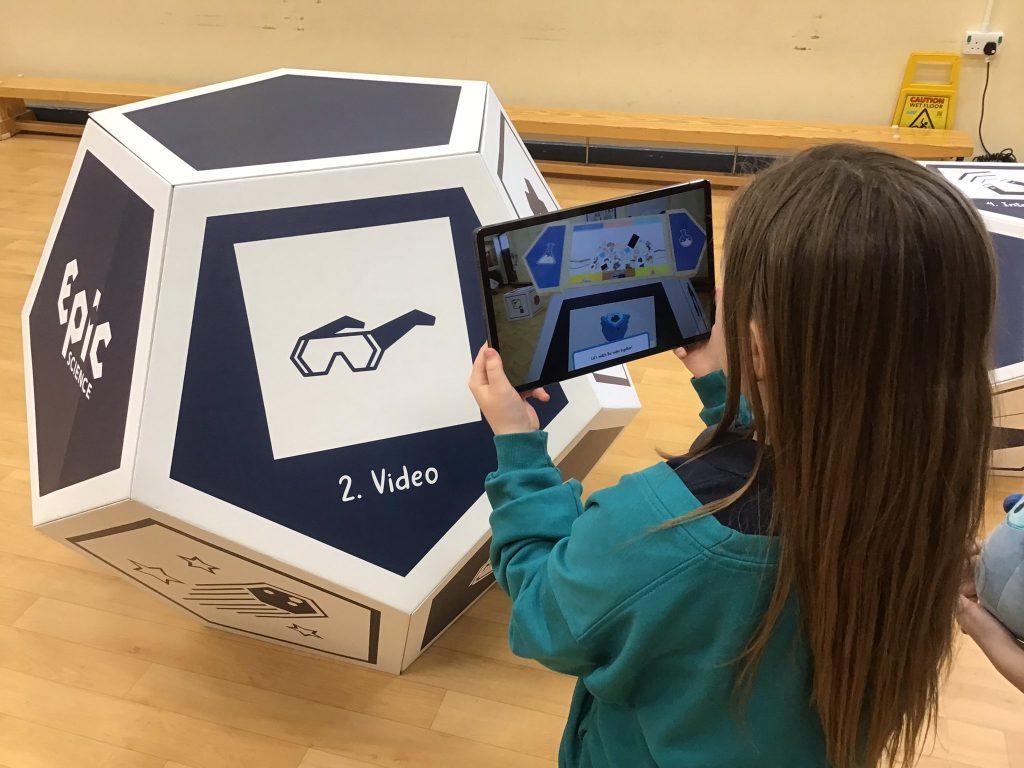
Augmented reality bridges the gap between traditional textbooks and the dynamic, interactive content of the digital age. By overlaying virtual 3D animations, visuals, and interactive elements onto textbook pages, AR textbooks turn static information into living, breathing educational experiences. All it takes is a smartphone, tablet, or AR-enabled device, and students can witness complex scientific phenomena, historical re-enactments, or geographical explorations—right from their desks.
Why Is Augmented Reality Vital for Education?
The integration of augmented reality in education addresses several challenges of conventional learning:
- Enhanced engagement: AR content grabs and maintains students’ attention with interactive experiences.
- Improved Retention: Learning through visuals and hands-on interaction has been shown to boost understanding and memory retention.
- Personalized Learning: AR can adapt to different learning styles, providing visual, auditory, and kinesthetic experiences.
- Democratization of Learning: AR breaks down complex concepts, making them accessible to diverse learners regardless of their backgrounds.
Key Benefits of AR Textbooks in the Modern Classroom
Augmented reality in textbooks isn’t just a fancy add-on—it’s a powerful educational tool with several advantages:
-
Making Abstract Concepts Tangible:
Tough subjects like molecular biology, physics, or mathematics come alive through AR animations, helping students grasp intricate details.
-
Instant Feedback and Assessment:
AR-powered quizzes and interactive exercises provide immediate feedback, enabling students and teachers to monitor progress seamlessly.
-
Accessibility and Inclusivity:
Multi-language support, audio narration, and customizable visuals ensure every student finds a way to engage with the curriculum.
-
Fostering Creativity:
Many AR platforms let students create their own content, encouraging them to experiment and think outside the box.
-
Encouraging Collaboration:
AR experiences can be shared among classmates, promoting teamwork and collective problem-solving.
Real-World Case Studies: Augmented Reality in Action
Numerous educational institutions worldwide have piloted augmented reality in textbooks with remarkable results. Here are some compelling examples:
1. Pearson and Microsoft’s AR chemistry Labs
Pearson, a leading educational publisher, partnered with Microsoft to create AR-based chemistry modules. Students can simulate chemical reactions in a safe, virtual surroundings, witnessing molecular changes in 3D without any laboratory hazards.
2. ZSpace Labs in Middle Schools
ZSpace developed immersive AR biology textbooks that allow middle school students to dissect virtual frogs and study the human heart in 3D. Engagement scores and test results improved dramatically in pilot classrooms.
3. McGraw Hill’s AR Math Textbooks
McGraw Hill’s math series includes AR-enabled problem-solving exercises. Students visualize geometric transformations and interact with dynamic graphs, deepening their conceptual understanding.
How AR Textbooks Work: The Technology Behind the Magic
Augmented reality textbooks use marker-based or markerless AR technology:
- Marker-Based AR: Specific images, icons, or QR codes in textbooks are scanned by a device to trigger AR content.
- Markerless AR: Location-based or object-recognition technology allows for more seamless integration without visual cues.
Cloud-based AR platforms synchronize content and progress across devices, while analytics tools provide personalized learning recommendations.
Practical Tips for Implementing Augmented Reality in the Classroom
If you’re ready to explore augmented reality textbooks in your school or personal learning journey, consider these actionable steps:
- Evaluate AR compatibility: Ensure your textbooks and devices support augmented reality, or consider switching to AR-enabled editions from major publishers.
- Start with Pilot Programs: Begin with a select group of students or a single subject to gather feedback and quantify benefits.
- Train Educators: Invest in professional development so teachers feel agreeable integrating AR into their lesson plans.
- Leverage Open-Source AR Content: Many AR resources are available online for free or at a minimal cost, which helps in reducing implementation expenses.
- Foster Collaboration: Encourage group projects revolving around AR to maximize interactivity and creativity.
Challenges and Considerations
While the future of AR in textbooks is bright, it’s critically important to be aware of potential hurdles:
- Access and Equity: Not all students have access to AR-compatible devices. Schools must seek solutions, such as shared devices or budgets for technology upgrades.
- Content Quality: The effectiveness of AR depends on well-designed content that aligns with curriculum standards.
- Teacher Readiness: Professional development and ongoing support are vital as educators make the transition to AR-enhanced teaching.
- Screen Time: It’s crucial to balance digital engagement with traditional learning and physical classroom activities.
First-Hand Experience: Educators and Students Share Insights
To truly understand the transformative power of AR in textbooks, listen to those who’ve experienced it first-hand:
“The moment my students used AR to explore the solar system, they were completely mesmerized. I’ve never seen them so engaged with a textbook before!”
– Sarah Jennings, 5th Grade Teacher, Texas
“I find it easier to understand biology now. instead of just reading about the heart, I get to see it beat and even interact with it on my tablet.”
– Alex, 9th Grade Student, California
The Future of Immersive Learning: What’s Next?
As technology continues to evolve, the possibilities for augmented reality in textbooks are virtually limitless. In the near future, expect to see:
- AI-Driven AR Experiences: Personalized learning paths, adaptive feedback, and clever content curation based on student performance.
- Wearable AR Devices: Lightweight AR glasses or headsets may replace hand-held devices, fostering even more immersive learning.
- Integration with Virtual Reality (VR): Hybrid XR (Extended Reality) experiences will blend AR and VR for holistic, multi-sensory learning modules.
- Global Collaboration: AR can connect classrooms worldwide, enabling joint science experiments or cultural exchanges on a new, interactive level.
Conclusion: Embracing the Transformation
The future of augmented reality in textbooks is transforming the very fabric of education. By merging the reliability of printed material with the versatility of immersive learning,AR is making education more engaging,accessible,and effective. Educators, students, and publishers must collaborate to harness its full potential, ensuring the next generation not only learns—but experiences—knowlege in ways previously unimaginable. Ready to open an AR textbook and step into the future of learning?