
The Future of Augmented Reality in Textbooks: Revolutionizing Education Through interactive Learning
The traditional textbook is undergoing a dramatic transformation. Driven by advances in augmented reality (AR), educational publishers and schools are embracing a new era: augmented reality in textbooks. From sparking curiosity through 3D visuals to enabling hands-on exploration of abstract concepts, AR textbooks are redefining classroom learning. In this article, we dive deep into how AR is revolutionizing education, the benefits it unlocks, implementation tips, and illuminating real-world case studies.
What is Augmented Reality in Textbooks?
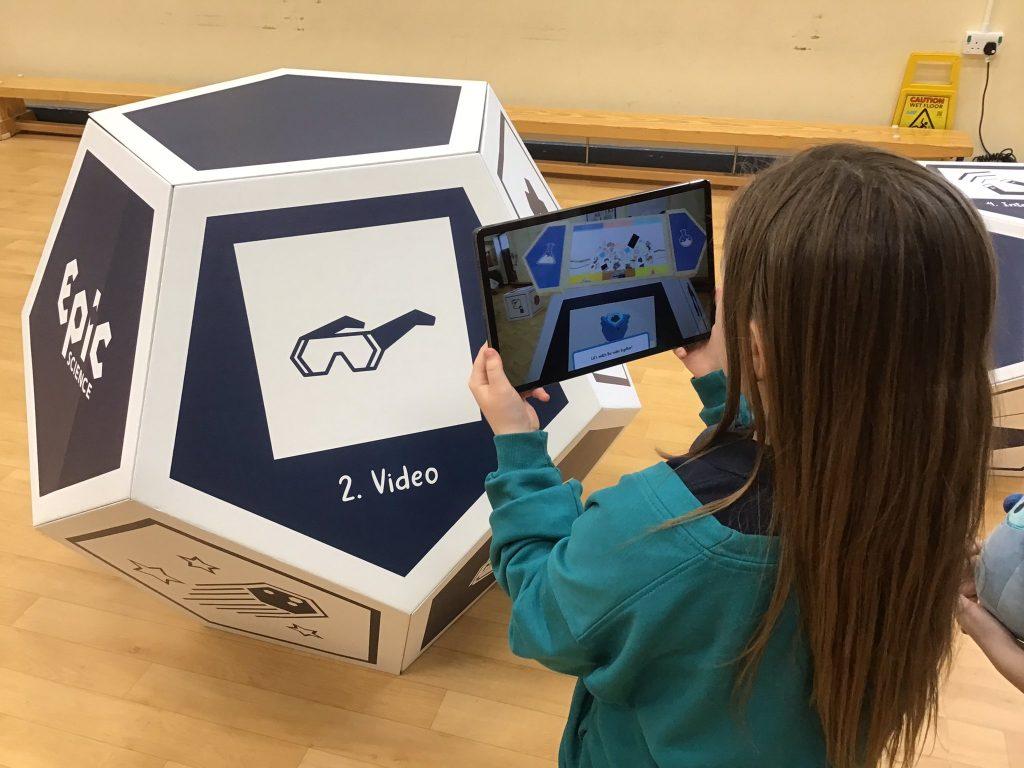
Augmented reality (AR) blends digital content with the real world, using technology to overlay interactive visuals, sounds, videos, and 3D models onto physical objects—like the pages of yoru textbook. With AR-enabled textbooks, students can scan images or codes using a smartphone, tablet, or AR glasses, instantly bringing diagrams to life or accessing embedded animation and quizzes.
- Interactive Learning: Concepts once static in print now become dynamic visual experiences.
- Engagement: AR turns passive reading into active exploration, capturing students’ attention.
- Personalized Pace: Learners interact with content as needed, supporting various learning styles.
How Augmented Reality is Revolutionizing Education
The integration of augmented reality into textbooks is much more than a flashy tech upgrade. here’s how AR is fundamentally changing educational experiences:
- Visualizing Complex Ideas: Abstract concepts, from molecular structures to past events, are easily visualized through 3D AR models.
- Improved Retention: Studies show that active engagement and visualization boost retention and deepen understanding.
- Instant Feedback: Interactive AR quizzes and exercises provide immediate responses and guidance to learners.
- Collaborative Learning: Shared AR experiences in classrooms foster collaboration and problem-solving.
- Supporting Diverse Learners: Multisensory AR experiences cater to visual, auditory, and kinesthetic learners.
- Gamified Motivation: Gamification elements—badges, rewards, AR-based puzzles—increase student motivation and perseverance.
Benefits of AR Textbooks for Teachers and Students
- Enhanced Engagement: AR captivates attention, especially for digital-native learners.
- Real-World Request: simulations and interactive case studies bridge the gap between textbook theory and real-world practice.
- Inclusive Education: AR resources can be adapted for students with special needs or learning barriers.
- Easy Updates: Unlike traditional print, AR content can be updated or expanded digitally, keeping resources current.
- Resource optimization: Reduces the need for costly scientific models,lab equipment,or frequent textbook editions.
- Teacher Efficiency: Streamlined access to curriculum-aligned resources, reducing prep time and enabling differentiated instruction.
Real-World Case Studies: AR Textbooks in Action
1.Pearson’s interactive Science
Educational publishing giant Pearson has introduced AR experiences in their science textbooks.Students can scan diagrams of the solar system or DNA strands to see them spiral and rotate in 3D, or watch animations explaining biological processes, turning previously challenging concepts into tangible visualizations.
2. Geometry and Math Visualized
Multiple math publishers are embedding AR into geometry textbooks, allowing students to explore geometric shapes, manipulate solid models, and understand volume and area in an immersive way. This tactile experience has led to measurably higher test scores and reduced math anxiety.
3. History Comes Alive: World Heritage in AR
AR-enabled history textbooks are letting students walk through ancient ruins or historical battlefields as if they’re present. Interactive timelines and virtual field trips create emotional connections and a deeper understanding of historical events.
Implementing Augmented Reality in the Classroom: Practical Tips
- Choose the Right Platform: Evaluate AR textbook providers for alignment with your curriculum and device compatibility (iOS,Android,AR glasses).
- Start Small: Pilot a single AR lesson before full-scale adoption. Gather student and teacher feedback.
- Invest in Training: Equip teachers with workshops and support for AR tools to maximize their impact.
- Integrate, Don’t Replace: Use AR as a supplement to traditional teaching, not as a total replacement.
- Ensure Accessibility: Verify that AR experiences are usable for students with disabilities (e.g., captions, audio descriptions).
- Monitor Learning Outcomes: Use analytics and assessments to track progress, understanding, and engagement levels.
Tip: Many AR textbook apps offer free demo versions—explore them to find the best fit for your educational needs!
Challenges and Considerations
While the future of augmented reality in textbooks is shining, educators and institutions must consider a few challenges:
- technology Access: Not all students may have access to smartphones or tablets. Schools may need to provide devices, or ensure AR content is accessible on shared platforms.
- Content Quality: Effective AR textbooks require high-quality, curriculum-aligned content—avoid overloading with “gimmick” features that don’t enhance learning.
- Training Needs: Teachers must be comfortable with the technology to avoid disruptions or technical hiccups during lessons.
- Privacy and Security: Ensure AR apps collect minimal student data, comply with privacy regulations, and don’t require continuous internet access.
- Maintainance: AR applications may need regular updates for bug fixes and new content.
The Future Outlook: What’s Next for AR in Education?
The next decade promises exponential growth for augmented reality in textbooks. As hardware gets more affordable and content creators partner with educators, expect to see:
- Seamless Mixed Reality: Next-gen smart glasses could make AR content even more natural and hands-free.
- Greater Personalization: AI-powered AR textbooks can adjust content difficulty based on individual learning progress and preferences.
- Global Collaboration: AR textbooks will connect classrooms worldwide, making it possible to share cultural experiences and collaborative projects.
- Expanded Subject Coverage: Beyond STEM—expect AR textbooks in arts, language, social studies, and vocational training.
Researchers predict that by 2030, the majority of K-12 and university courses will incorporate augmented reality experiences into their core curriculum, making interactive learning not just an enhancement, but a necessity.
Conclusion: Embracing the Augmented Textbook Revolution
The future of augmented reality in textbooks is about reimagining how students learn, discover, and grow. AR textbooks foster deeper connection, understanding, and enthusiasm for learning in ways traditional resources never could. As teachers and schools begin integrating this technology, students are empowered with the immersive, interactive, and personalized tools they need to succeed in a rapidly changing world.
now is the time to explore the potential of interactive AR textbooks. Whether you’re an educator, administrator, or student, embracing augmented reality in education can unlock a future where learning knows no bounds.