
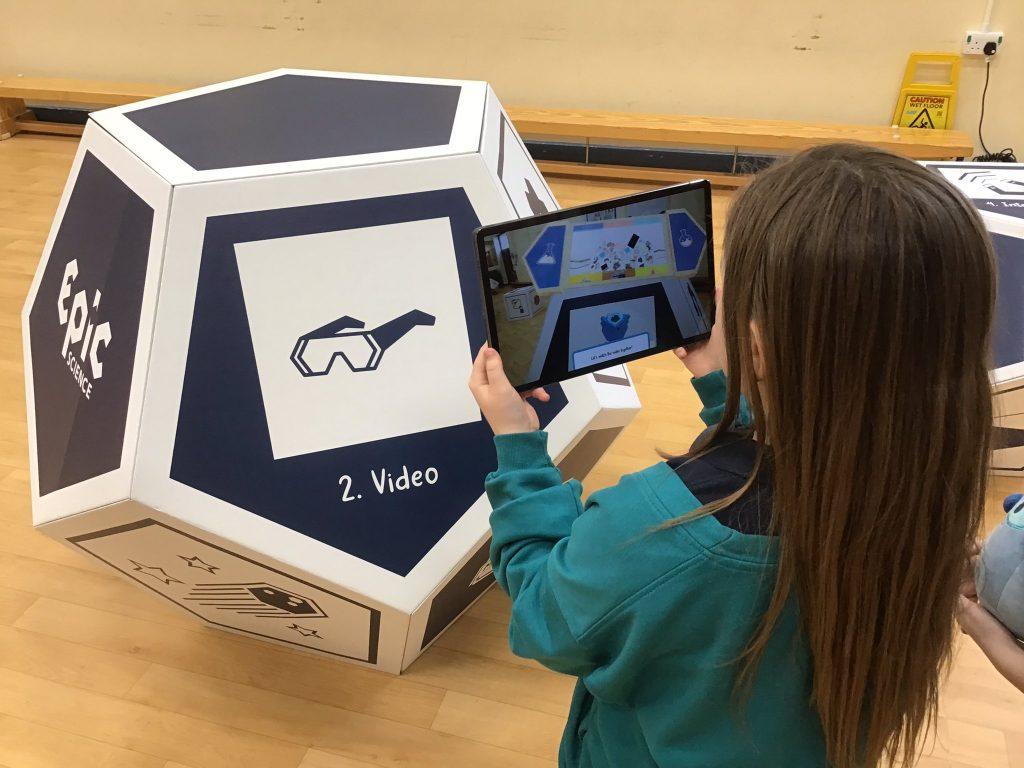
The Future of Augmented Reality in Textbooks: Revolutionizing Educational Learning
In recent years, augmented reality in textbooks has emerged as a game-changing force in the field of education. By overlaying digital content onto the real world, AR transforms how students interact with learning materials, making lessons more interactive, immersive, and engaging. As educators and publishers worldwide explore the endless possibilities, the future of AR-powered textbooks looks brighter than ever.
What is Augmented Reality in Education?
Augmented Reality (AR) is a technology that layers computer-generated images, audio, videos, or interactive content onto the real world, typically through smartphones, tablets, or AR glasses. In the context of textbooks,AR enriches static pages with interactive 3D models,animations,simulations,and quizzes,offering students a multidimensional learning experience that bridges the gap between theory and practice.
Benefits of augmented Reality in textbooks
- Enhanced Engagement: AR makes visuals pop out of the page. Subjects that typically feel dry—like biology diagrams or historical timelines—come alive, holding students’ attention longer.
- Deeper Comprehension: Interactive experiences foster a better grasp of complex processes. For instance, students can explore a functioning heart in 3D rather than memorizing 2D diagrams.
- Personalized Learning: AR textbooks adapt content to different learning styles, offering visual, auditory, or kinesthetic elements based on individual preferences.
- Accessibility: Students with disabilities can benefit from features like audio descriptions, sign language overlays, and more intuitive navigation.
- Encourages Collaboration: Many AR applications can be used by groups, enabling collaborative problem-solving and discussions.
How AR is Revolutionizing Educational Learning
Augmented reality textbooks are not simply adding flair to traditional education—thay are fundamentally transforming the learning process. Here’s how:
Immersive Visualization
Imagine biology students dissecting a virtual frog, geography learners exploring interactive world maps, or physics pupils manipulating 3D molecules. AR offers hands-on experience without the need for costly or dangerous materials.
Instant Feedback and Assessment
AR-powered quizzes and interactive simulations provide instant feedback, enabling adaptive learning paths and improving retention.
Real-World Applications
Instead of passive reading, students can engage in virtual science experiments, historical re-enactments, and more, making learning relevant and relatable.
Gamification and Motivation
The use of points, levels, and rewards within AR apps builds excitement and motivation, fostering a competitive yet collaborative environment.
Case Studies: Augmented Reality Textbooks in Action
- Pearson’s AR Biology Textbooks: Pearson, a global education powerhouse, incorporated AR into its biology textbooks. Students can scan textbook pages with an app to view 3D models of cells, organs, and anatomical systems, making complex subjects more tangible.
- HoloLens in Medical Schools: Microsoft’s HoloLens headsets allow medical students to study human anatomy in 3D, helping them visualize internal organs and practice surgeries in a risk-free virtual environment.
- Cognitive Learning with Blippar: Blippar developed AR learning modules for elementary school textbooks in the UK, letting students interact with virtual butterflies, planets, and math puzzles, significantly boosting classroom participation.
First-Hand Experiences: Teachers and Students Speak
“The interactive dinosaur models in our science textbook were a huge hit. My students not only learned faster, but their enthusiasm for the subject skyrocketed. Even reluctant readers were suddenly eager to participate!”
— Ms. Rodriguez, Middle School Science Teacher
“As a visual learner, seeing chemical bonds in 3D helped me understand concepts that always felt abstract in regular textbooks.”
— Samir Gupta, High School Student
Practical Tips for Implementing AR in Classrooms
- Start Small: Introduce AR elements to one subject or unit to gauge student response before full-scale adoption.
- Choose User-amiable Apps: Select AR apps that are compatible with your school’s devices and suitable for student age groups.
- Train Educators: Invest in professional advancement to ensure teachers feel confident facilitating AR-based lessons.
- Ensure Accessibility: Verify that AR features are accessible to students with varying needs and abilities.
- Foster Collaboration: Encourage group activities using AR to enhance social learning and teamwork.
- Evaluate and Adjust: Gather feedback and tweak lesson plans to maximize engagement and learning outcomes.
The Future Landscape: What Lies Ahead for AR Textbooks?
Advances in augmented reality in educational learning are accelerating. As AR-capable devices become more affordable and widespread,the following trends are shaping the next generation of textbooks:
- Cloud-Based AR Content: Publishers are shifting towards continuously updated,cloud-delivered AR resources,ensuring that students always have access to the latest data and interactive features.
- AI-Enhanced Personalization: Artificial intelligence will tailor AR experiences based on each student’s performance, targeting knowledge gaps in real time.
- Integration with Virtual Reality (VR): AR and VR will increasingly be blended, creating hybrid learning environments where students toggle between real-world and fully immersive simulations.
- Broader Curriculum Integration: From language learning to vocational training, AR textbooks will expand beyond STEM, transforming all areas of K-12, higher education, and adult learning.
- Global Collaboration: AR can connect classrooms worldwide,facilitating collaborative learning projects across continents.
Overcoming Challenges: Making AR-Driven Textbooks Mainstream
While the potential for augmented reality in textbooks is immense,several challenges must be addressed:
- Device Accessibility: Not all schools have the budget for modern tablets and AR headsets. open-source AR platforms and BYOD (bring your own device) policies can definitely help mitigate this.
- Teacher Training: Ongoing professional development ensures educators are comfortable leading AR-powered classes.
- Content Quality and relevance: Publishers must create high-quality AR content that aligns with national and regional curriculums.
- Data Privacy: As AR apps gather more student data, robust privacy policies and secure infrastructure are essential.
Conclusion: Embracing the Augmented Future of Learning
As the boundaries between the physical and digital worlds blur, augmented reality in textbooks stands poised to revolutionize educational learning. By making knowledge more visual, interactive, and accessible, AR is equipping learners with the tools they need to thrive in a rapidly changing world.
Forward-thinking educators, publishers, and technology leaders must collaborate to harness the full potential of this technology. With careful planning, continued investment, and a student-centered approach, the future of AR textbooks promises to make learning more engaging and effective for generations to come.