
The Future of Augmented Reality in Textbooks: Revolutionizing Education’s Next Chapter
as education continues to evolve in the digital age, one innovative technology stands out at the forefront of conversion: Augmented Reality (AR). From science classrooms to history lessons, augmented reality in textbooks is reshaping how details is delivered and experienced, bridging the gap between traditional learning and interactive engagement. In this article, we will delve into how AR is set to revolutionize education’s next chapter, exploring its current applications, advantages, and what the future may hold for students and educators alike.
What is Augmented Reality in Textbooks?
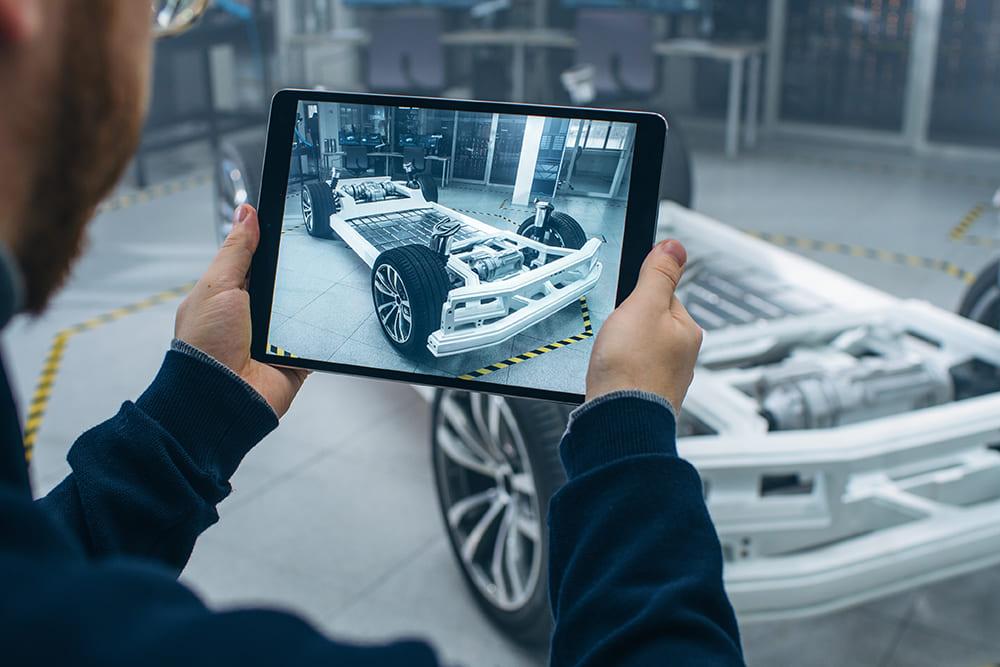
Augmented Reality (AR) seamlessly blends digital content with the real world, offering interactive experiences via smartphones, tablets, and AR-enabled devices.When integrated with textbooks, AR transforms static images and text into dynamic, multimedia learning platforms—bringing concepts to life in ways never before possible.
- 3D Models: Visualize complex diagrams, molecular structures, or past artifacts in three dimensions.
- Interactive Simulations: conduct science experiments and manipulate variables virtually without lab resources.
- Immersive Storytelling: Step inside historical events or literary settings with 360° immersive videos or animations.
- Instant Feedback: Interactive quizzes and games embedded in the pages, enhancing retention and motivation.
How AR Textbooks Are Changing the Classroom
The integration of augmented reality in education is quickly shifting the paradigm from passive to active learning. Here’s how AR-powered textbooks are redefining modern classrooms:
- Enhanced Engagement: Students are naturally drawn to interactive elements. AR captivates attention, making even the most challenging subjects exciting and approachable.
- Deeper Understanding: Abstract concepts become tangible. For example, geography lessons can display interactive maps, while biology textbooks reveal the inner workings of the human body layer by layer.
- Personalized Learning: AR experiences can be tailored to different learning styles and paces, ensuring that each student gets the support and challenge they need.
- Collaboration and Interaction: Group projects become richer as students co-explore augmented content, fostering teamwork and collective problem-solving.
Key Benefits of Augmented Reality in Education
The introduction of AR technology in textbooks offers a suite of distinct advantages that benefit both students and educators:
- Improved Retention: Multi-sensory engagement aids comprehension and memory retention, especially in STEM subjects.
- Accessibility: AR provides new opportunities for learners with different abilities,supporting audio,visual,and kinesthetic learning.
- Real-Time Visualization: Challenging topics can be demonstrated visually, breaking language and cognitive barriers.
- Cost-Effective Experiments: Virtual experiments reduce the need for expensive lab equipment and safety risks.
- Scalability: Teachers can deploy the same AR content across diverse classrooms and even remote learning environments.
Real-World Case Studies
Many pioneering schools and publishers already harness AR to enhance their textbooks. Here are some noteworthy examples:
- Pearson’s AR Textbooks: Pearson integrates AR features in K-12 science and math textbooks, allowing students to scan pages with an app to reveal interactive 3D models and video explanations.
- McGraw Hill’s Anatomy & Physiology Revealed: This AR-empowered solution lets medical students visualize human organs and systems, rotating them in real-time, and exploring detailed layers—all from their textbooks.
- Zookal’s AR Study Tools: Zookal, an Australian education company, offers AR flashcards and homework help that bring learning material to life within physical books and notes.
Firsthand Experience: A high school science teacher shared, “My students are far more engaged and inquisitive when using AR content. They ask more questions, collaborate with peers, and most importantly, retain information better.”
Practical Tips for Integrating AR Textbooks in the Classroom
Ready to bring your curriculum into the future with AR in textbooks? Here are some practical strategies for successful integration:
- Start Small: Pilot AR lessons with a single subject or unit. Gather feedback from students to evaluate impact.
- Choose the Right Tools: Select textbooks with robust AR support, or use apps such as Blippar, Aurasma, or Matterport to create custom experiences.
- Train Educators: Offer professional growth to help teachers confidently integrate AR into lesson planning and classroom management.
- Ensure Device Accessibility: check that students have access to smartphones or tablets.Explore school lending programs or BYOD (Bring Your Own Device) options if needed.
- Promote Collaboration: Design activities that encourage pairs or groups to explore AR content together, boosting communication and social learning.
Potential Challenges and Solutions
As with any emerging technology, the use of AR in educational textbooks presents some obstacles.However, most can be overcome with thoughtful planning:
- Device Limitations: Address device access disparities with school-provided tablets or community grant funding programs.
- Content quality: Evaluate AR content for accuracy, relevance, and alignment with curriculum standards before classroom implementation.
- Teacher Readiness: Continuous professional development will empower teachers to maximize the power of AR technology.
- Equitable Access: collaborate with district stakeholders to ensure inclusive access for all students, regardless of socioeconomic background.
The Future Outlook: What’s Next for AR in Education?
As AR hardware becomes more affordable and software evolves, the future holds even greater promise:
- AR Glasses: With devices like Apple Vision Pro and Meta Quest on the horizon, students may soon use AR wearables to interact with digital overlays hands-free.
- Curriculum Standardization: Expect larger adoption as educational boards and publishers develop complete AR-integrated curricula.
- AI & Personalization: Coupling AR with artificial intelligence will allow for adaptive learning, real-time assessment, and individualized feedback based on student needs.
- Global Collaboration: AR textbooks can empower collaborative projects that span classrooms across continents, breaking down cultural barriers and fostering a global viewpoint.
Conclusion: Embracing the Next Chapter of Learning
The integration of augmented reality in textbooks is not just the next step in education—it’s a leap toward a more interactive, inclusive, and impactful learning experience. By merging physical books with the power of digital technology, educators can unlock new dimensions of comprehension and curiosity for students.
As schools, teachers, and publishers embrace AR’s enormous potential, the future classroom will no longer be limited by the covers of a book. Rather, it will be a gateway to worlds of revelation—right at students’ fingertips. If you’re ready to enhance your educational toolkit, now is the perfect time to explore the transformative possibilities of augmented reality in textbooks.