
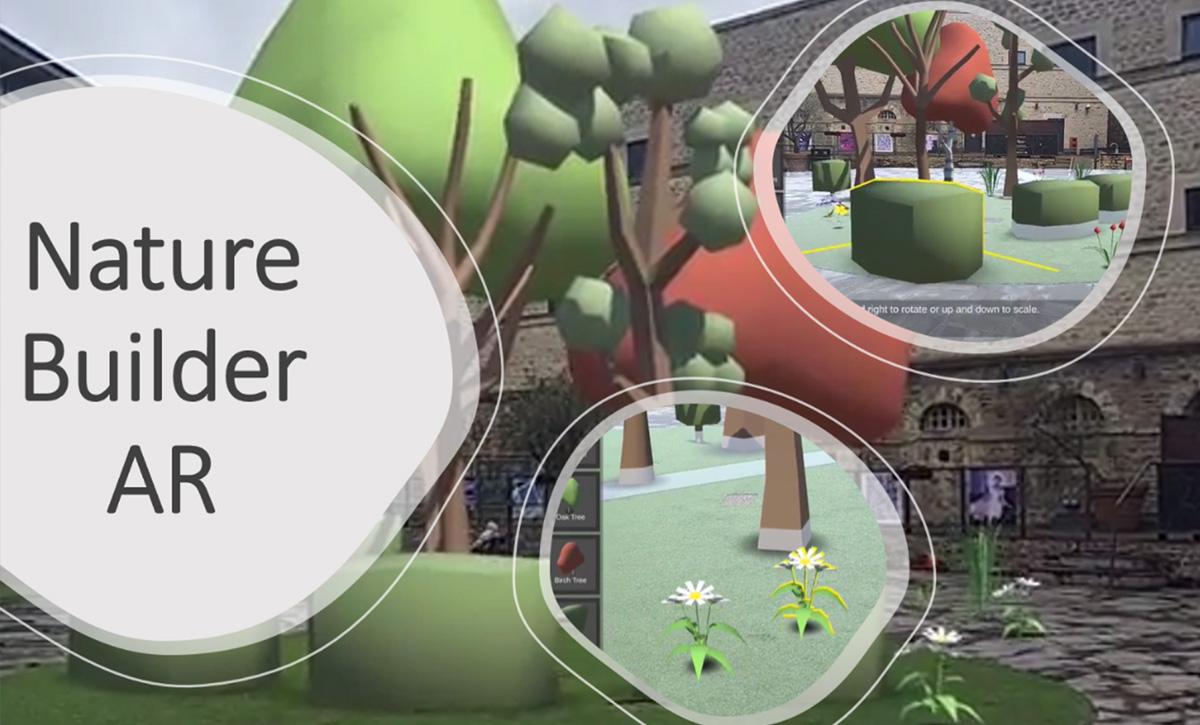
The Future of Augmented Reality in Textbooks: Revolutionizing Learning Beyond the Page
Introduction
Textbooks have long been the foundation of education, offering students access to essential knowledge and information. Yet, in a digital-first era defined by rapid technological advances, customary print materials can seem static and outdated. Enter augmented reality (AR) in textbooks—a game-changing innovation promising to revolutionize the way we learn, teach, and engage.In this article, we’ll explore the future of augmented reality in textbooks, examining its transformative potential, real-world applications, and the creative ways it’s bringing pages to life.
What is Augmented Reality in Textbooks?
Augmented reality (AR) overlays digital content—such as 3D models, animations, videos, and interactive elements—onto the real world, typically through a smartphone, tablet, or AR-enabled device. When AR is integrated into textbooks, students can scan special markers or QR codes on textbook pages to access enhanced, immersive content. This fusion of physical books and digital technology delivers a dynamic,personalized learning experience that extends beyond the page.
Benefits of Augmented Reality in Education
The integration of augmented reality in textbooks offers a host of benefits for students, teachers, and educational institutions alike:
- Increased Engagement: Interactive AR elements capture students’ attention, fostering curiosity and motivation.
- Deeper Understanding: 3D visualizations and animations help clarify complex concepts,making learning more accessible and comprehensible.
- Personalized Learning: AR allows for adaptability,catering to different learning styles and paces.
- remote and blended Learning: AR-enriched textbooks can bridge the gap between classroom and home, aiding distance education.
- Develops Digital Literacy: Exposure to AR technology preps students for the increasingly digital world.
- Collaboration & Real-World Application: Students can collaborate on interactive projects and simulations, applying their knowledge in meaningful ways.
Augmented Reality Textbooks: How Does It work?
Integrating augmented reality into textbooks involves several steps:
- AR-enabled Textbooks: Special icons, images, or QR codes are embedded alongside the printed content.
- AR Apps: Students download an AR application or use a web-based AR platform on their device.
- Scanning: when a student scans the designated marker with the app, digital content—such as animations, 3D models, or quizzes—appears overlaid on the real textbook page.
- Interactive Learning: Learners interact with content—rotating objects, watching scientific processes unfold, or taking part in gamified quizzes.
Some publishers have developed custom AR applications, while open-source and third-party platforms also make AR integration accessible to educators worldwide.
Case Studies: Augmented Reality in Textbooks in Action
Several pioneering educational initiatives have demonstrated the transformative power of AR textbooks:
- Pearson’s Enhanced Science Textbooks: Using AR, students can manipulate virtual DNA strands, explore the solar system, or watch chemical reactions in 3D—all from their textbook.
- Zspace AR Learning labs: In K-12 classrooms, zSpace combines AR and VR to let students dissect virtual frogs or examine the human heart, making STEM subjects incredibly interactive.
- Maestro AR for History: Bringing historic battles and ancient ruins alive, Maestro AR helps students place historical events in context, fostering empathy and interest.
- VictoryXR’s AR Biology Lessons: This solution lets students view the anatomy of plants and animals as 3D holograms, deepening biological understanding.
First-Hand Experience: A Glimpse into the AR Classroom
Teachers and students who have embraced augmented reality in their classrooms report a range of positive outcomes. For example, a middle school science teacher in the UK shared, “My students became so excited about the digestive system once they could ‘see’ it unfold in 3D right on their desks. Participation skyrocketed and even previously disinterested students got involved.”
Students, too, praise the blend of textbooks and AR.A high school student shared,“It’s like having a lab or a museum everywhere you go. I can study at home and still get that hands-on experience.”
Practical Tips for Integrating AR into Textbooks
- Start Small: Select a single chapter or subject area to pilot AR integration, focusing on topics that benefit most from visualization.
- Choose the right Tools: Many AR platforms (like HP Reveal or ARLOOPA) offer user-friendly interfaces for educators and publishers.
- Encourage Collaboration: Have students work in pairs or groups to solve AR-based challenges or projects.
- Solicit Feedback: Regularly ask students for input to tailor AR activities to their needs and preferences.
- Stay Updated: AR technology is evolving rapidly. Subscribe to education tech newsletters or join AR educator communities to keep current.
Challenges and Considerations for AR Textbooks
While the future of augmented reality in textbooks is bright, several challenges remain:
- Device Access: Not all students have equal access to AR-compatible devices at home.
- Training: Teachers and staff must be trained to use and troubleshoot AR applications effectively.
- Content Growth: Creating high-quality AR content requires investment in time, design, and technology.
- Distraction Management: AR experiences should enhance—not distract from—core learning objectives.
- Privacy & Safety: Data privacy and digital well-being are vital, especially for younger students.
As AR grows in popularity, solutions to these challenges are being explored, including school-sponsored device programs and robust teacher professional development.
The Future of Learning Beyond the Page
As technology continues to evolve, the boundaries between the real and virtual classroom will become even more fluid. Here’s what the future may hold for augmented reality in textbooks and education at large:
- Fully Interactive Textbooks: Future textbooks might potentially be fully augmented, merging print, digital, and experiential learning seamlessly.
- Expanded Curriculum Coverage: From arts and humanities to advanced sciences, AR will support cross-curricular learning experiences.
- Global Collaboration: AR can connect students worldwide, enabling shared experiences and joint projects across cultures.
- Personalized Adaptive Learning: AI-driven AR could assess student progress and present tailored learning pathways in real time.
- Enduring Education: AR-enhanced e-textbooks can reduce the need for printed materials, promoting green schools and eco-friendly education.
the classroom of tomorrow will blend the best of both worlds—the tangibility of print and the interactivity of digital—to create engaging, effective, and equitable educational opportunities.
Conclusion
The fusion of augmented reality and textbooks marks a new chapter in educational innovation. By merging interactive digital elements with trusted print resources, AR textbooks make learning more engaging, interactive, and effective for students of all ages. The journey to widespread adoption has its hurdles, but the momentum is unmistakable. educational leaders, publishers, and technology providers have a unique prospect to work together to unlock a richer, more immersive learning experience—and to ensure that the wonders of AR are accessible to every learner, everywhere.
The future of learning is no longer limited to the page. With augmented reality,every lesson comes alive—creating educational moments that students will remember for a lifetime.