
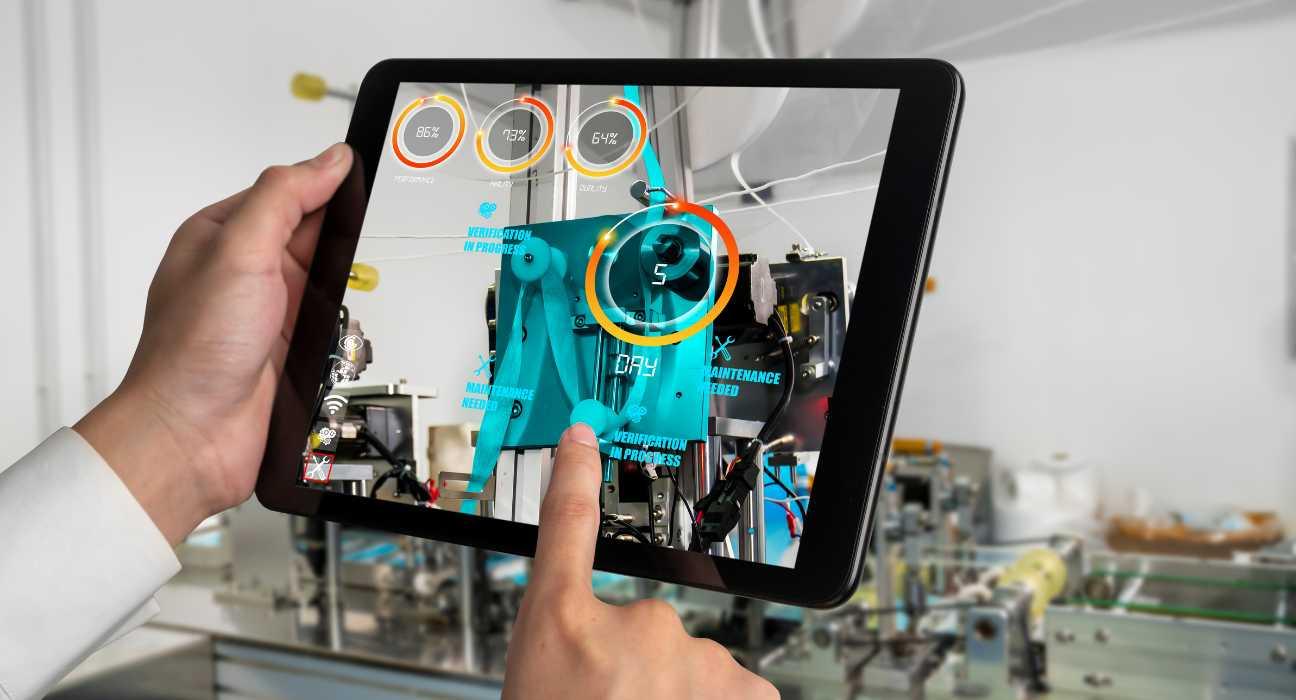
The Future of augmented Reality in Textbooks: Revolutionizing Learning for the Next generation
Augmented reality in textbooks is no longer a concept of the distant future—it’s a cutting-edge innovation that’s rapidly reshaping the education landscape. As digital technology permeates every aspect of our lives, educational institutions and publishers are turning to AR technology to revolutionize conventional textbooks, making learning more immersive, interactive, and accessible for the next generation.
- Augmented reality is transforming textbooks into interactive, multidimensional learning tools.
- Both students and educators benefit from AR-enhanced learning experiences.
- Case studies show improved engagement and retention rates with AR textbooks.
- Practical tips and insights for educators looking to implement AR in the classroom.
understanding Augmented Reality in Textbooks
Augmented reality (AR) refers to the integration of digital content—such as 3D models, videos, animations, and audio—into the real-world surroundings, typically viewed through smartphones, tablets, or AR glasses. In the context of textbooks, AR brings static pages to life by overlaying interactive elements that engage multiple senses and promote active learning.
The use of augmented reality in education bridges the gap between theoretical knowledge and practical understanding. Imagine students learning about the solar system by launching an AR app that projects rotating planets onto a physical textbook, or medical students exploring the human body in three dimensions, right from the page!
Benefits of Augmented Reality in Education
Incorporating AR in textbooks offers numerous advantages that address the evolving needs of 21st-century learners. Here are the key benefits of AR-powered textbooks:
- Enhanced Engagement: Interactive visuals and simulations capture students’ attention and make complex concepts more approachable.
- Improved Retention: Multisensory experiences help learners remember details more effectively compared to traditional methods.
- Personalized Learning Paths: AR applications can adapt to individual learning speeds and styles, promoting self-paced education.
- Hands-on Practice: Students can experiment in safe, virtual environments, especially valuable for subjects like science, engineering, and medicine.
- Accessibility: AR can provide additional support for students with special needs, offering audio cues, translations, and visual aids.
- Collaboration: Shared AR experiences foster teamwork and social learning in both classroom and remote settings.
How AR Textbooks are Revolutionizing the Learning experience
The future of augmented reality in textbooks is full of possibilities. Here’s how AR is setting new standards in education:
-
Bridging Theory and Practice:
AR allows students to interact with 3D models, perform simulated experiments, or visualize abstract concepts, making learning hands-on and memorable.
-
Real-Time Feedback:
AR textbooks can provide instant feedback through interactive quizzes and activities, helping students identify areas for advancement.
-
Gamified Learning:
Incorporating game elements in AR engages students and motivates them to achieve goals in a fun, competitive way.
-
Remote & Hybrid Learning Support:
AR content is accessible anywhere, bridging the gap for students learning from home or in blended learning environments.
-
Inclusive Education:
AR features can support different learning abilities, languages, and cultural backgrounds, making content globally relevant.
Case Studies: Successful Implementation of AR in Textbooks
Case Study 1: Pearson’s AR biology Textbook
pearson, a leader in educational publishing, released an AR-enhanced biology textbook for high schools. Students using the AR app could explore 3D cell structures, animated life cycles, and interactive quizzes. Results showed a 30% increase in student engagement and improved scores in post-lesson assessments.
case Study 2: McGraw-Hill Education’s Anatomy & Physiology Explorer
McGraw-Hill partnered with augmented reality developers to create an AR companion for anatomy textbooks.Medical students reported greater understanding of complex body systems and appreciated the ability to dissect virtual organs directly from the textbook pages.
case Study 3: Science AR in Classrooms Across Europe
A large-scale european pilot program introduced AR science textbooks in over 50 schools.Teachers observed higher classroom participation and collaborative learning, with students expressing excitement and curiosity towards lesson content.
First-Hand Experiences: What Educators and Students Say
“Seeing the water cycle in 3D on my desk made it so much easier to understand! It felt like I was in a science lab, not just reading a book.”
– Emily, Grade 6 Student
“Augmented reality textbooks have changed the way I teach. Students are more attentive and creative when AR activities are integrated into lessons.”
– Mr. Garcia,science Teacher
Both students and educators note that AR content breaks the monotony of static pages and piques curiosity,leading to deeper exploration and discussion in classrooms.
Practical Tips: Implementing Augmented Reality in Classrooms
- Start Small: Integrate AR features with one chapter or unit to familiarize teachers and students with the technology.
- Choose AR-Ready Textbooks: Select resources and publishers that offer high-quality,curriculum-aligned AR experiences.
- Ensure Device Accessibility: Make sure all students have access to compatible smartphones or tablets. Consider school device lending programs if needed.
- Invest in Professional Development: Offer training sessions for teachers to help them use AR tools confidently.
- Foster Collaboration: Encourage students to work in teams and share their AR explorations, building a supportive classroom culture.
- Evaluate and Adapt: Collect feedback from both students and teachers to refine the use of AR, ensuring it enhances—not distracts from—learning goals.
The Road Ahead: Challenges and Opportunities
While the potential of augmented reality in textbooks is immense, some challenges remain:
- Technical Barriers: not all schools have the budget or infrastructure for widespread AR device usage.
- digital Literacy: teachers and students may require additional training to use AR technology effectively.
- Content Quality: Not all AR experiences are created equal—educators must select resources that are pedagogically sound and aligned with learning objectives.
- Cost: AR development and licenses can add costs, but these may decrease as the technology becomes mainstream.
however, the opportunities far outweigh these obstacles. With rising investment in education technology (EdTech), more publishers are developing AR textbooks, governments are supporting digital learning initiatives, and the global shift towards hybrid learning environments provides fertile ground for AR adoption.
Conclusion: Empowering the Next Generation with AR-Enhanced Learning
The future of augmented reality in textbooks is radiant, promising to transform education for millions of students worldwide. AR textbooks go beyond traditional learning, making knowledge tangible, accessible, and exciting. As technology evolves and digital literacy grows, educators and learners will discover even more innovative ways to engage with content.
If you’re an educator,administrator,or parent,now is the time to explore augmented reality textbooks and embrace the future of learning. By integrating AR technology, we can empower the next generation to think critically, solve problems creatively, and develop a genuine passion for revelation.
Ready to revolutionize your classroom? The journey starts with one AR page—discover what’s possible when the worlds of print and digital seamlessly unite!