
The Future of Augmented Reality in Textbooks: Transforming Education for the Digital Age
Augmented reality (AR) is no longer just a futuristic concept reserved for tech demonstrations or video games.In the digital age,it is indeed rapidly reshaping how we interact wiht information,and nowhere is this transformation more evident than in the educational sector. As textbooks evolve from static paper too interactive digital experiences, the integration of AR in textbooks promises to redefine how students learn, teachers instruct, and knowledge is delivered. In this article, we explore the future of augmented reality in textbooks, its benefits, current case studies, practical implementation tips, and what lies ahead for this groundbreaking technology in education.
What is Augmented Reality in Textbooks?
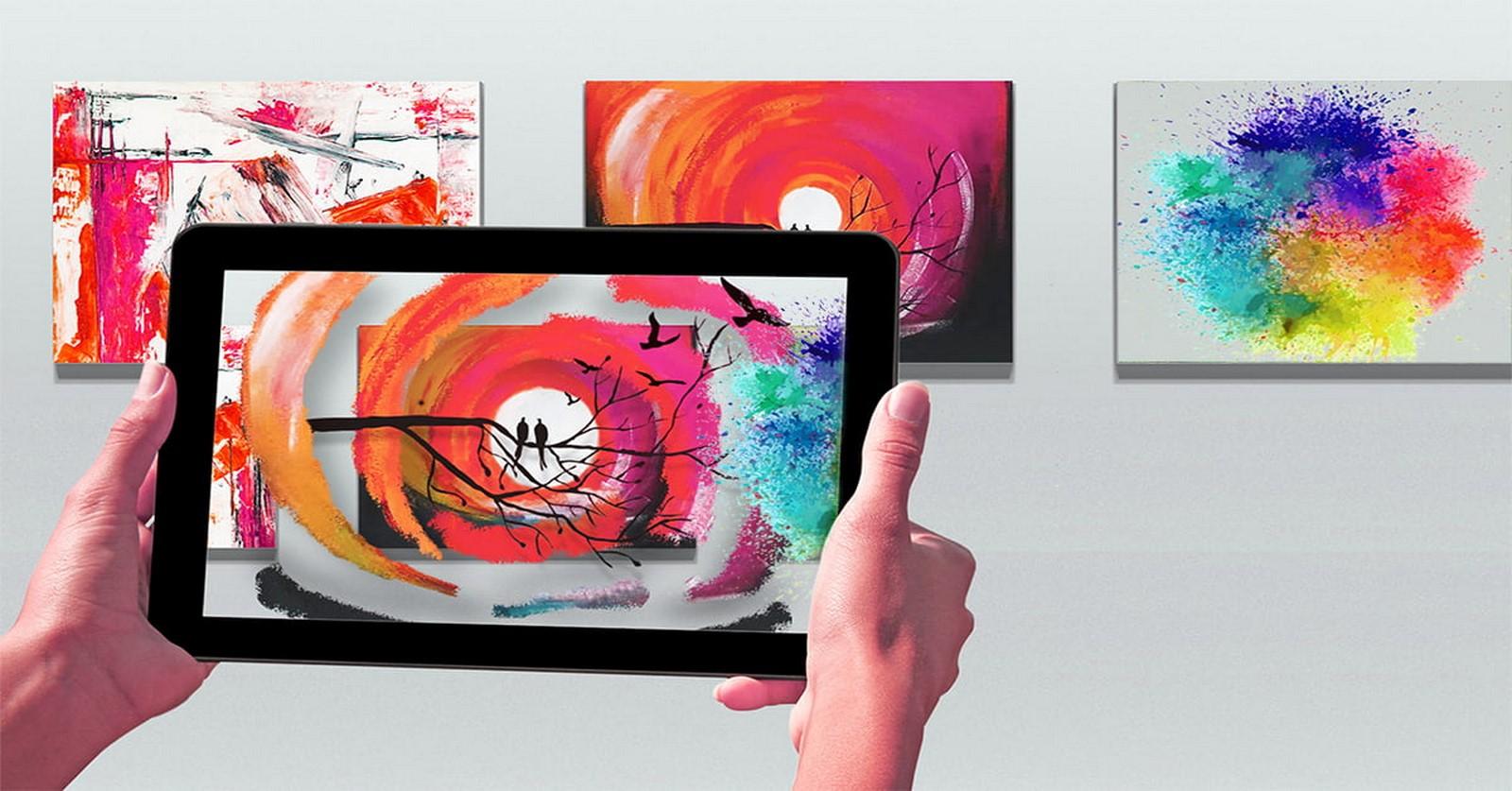
Augmented Reality in textbooks refers to the integration of digital information—such as 3D models, videos, and interactive simulations—overlaid onto physical textbook pages via smartphones, tablets, or AR glasses. By merging real-world content with digital enhancements, AR textbooks offer a rich, immersive learning environment that bridges traditional education with the possibilities of the digital age.
Key Benefits of AR in Educational Textbooks
Adopting AR in textbooks brings a range of important advantages that benefit both students and educators:
- Enhanced Engagement: Interactive elements—such as moving diagrams, animated models, or real-time quizzes—capture and retain students’ attention far better than static text or images.
- Deeper Understanding: Students can visualize complex processes (like molecular structures or biological functions) in 3D, making abstract concepts more accessible.
- Personalized Learning: AR-enabled textbooks enable responsive content, allowing learners to access additional explanations or practice based on their needs and progress.
- Increased Accessibility: Audio, visual, and tactile enhancements make textbooks more inclusive for students with different learning styles or abilities.
- Real-Time Feedback: Interactive exercises offer instant feedback, helping students correct mistakes and reinforce their understanding immediately.
- Cost-Efficiency in the Long Run: Although initial investments may be high, digital content updates are more cost-effective and sustainable than printing new editions.
Real-World Case Studies: AR Textbooks in Action
The transition from traditional to AR-powered textbooks is already underway in various educational settings worldwide. Here are some notable examples:
Lifeliqe – Interactive Science Content
Lifeliqe is an AR platform that integrates interactive 3D models into science textbooks. In pilot programs across the U.S. and Europe, teachers report increased student interest and improved comprehension in STEM subjects. Students can manipulate digital versions of cells, machinery, and animals, creating an engaging, hands-on experience—right from their desks.
Pearson’s AR Geography Textbooks
Pearson Education has launched geography textbooks with AR features, allowing students to explore topographical maps in 3D, simulate natural phenomena like earthquakes, and access supplementary content by scanning images with their mobile devices.
McGraw-Hill’s Chemistry Simulations
Partnering with AR developers,McGraw-Hill offers chemistry textbooks where learners can visualize molecular reactions as 3D simulations,helping them understand reaction mechanisms better than static illustrations ever could.
“Augmented reality is bridging the gap between theory and practice, making learning tangible and immediate for students of all ages.” – Jane Smith, AR EdTech Specialist
How is AR Transforming Teaching and Learning?
The influence of AR in education extends well beyond dazzling graphics. Here’s how it’s altering the educational landscape:
- Active Learning: Students learn by performing tasks, exploring scenarios, or solving problems, rather than merely reading or memorizing.
- Remote and Blended Learning: AR supports e-learning by overlaying digital content onto physical books at home, ensuring continuity across classroom and home environments.
- Collaborative Projects: Many AR textbooks support multi-user functions, fostering teamwork and shared finding.
- Teacher Empowerment: Instructors can spend less time explaining abstract concepts and more time supporting individualized learning, as AR materials provide powerful visual and interactive aids.
Practical Tips for Implementing AR in Your Classroom or School
Ready to bring augmented reality in textbooks to your educational institution? Here are some steps and best practices:
- Assess Available Technology: Ensure that students and teachers have access to compatible AR devices—most smartphones and tablets are sufficient to start.
- Start small: Choose a specific subject or unit to pilot AR textbooks. Gather feedback and measure student engagement and performance improvements.
- Train Educators: Provide workshops and resources for teachers to effectively integrate AR into lesson plans and classroom activities.
- Work with Reputable AR Content Providers: collaborate with established educational publishers or AR developers who offer curriculum-aligned resources and updates.
- Maintain Accessibility: Make sure AR content considers various learning needs, including options for audio narration or subtitles.
- Monitor and Evaluate: Continually assess the impact on teaching outcomes and student satisfaction, iterating your approach as needed.
The Challenges and Limitations of AR Textbooks
While the future holds immense promise, integrating AR technology in education is not without its hurdles:
- Initial Costs: Investment in devices, teacher training, and AR content can strain school budgets.
- Technical Issues: Compatibility,app stability,and device availability may present occasional challenges.
- Content Availability: Not all subjects or regions have a wide selection of AR-enabled textbooks—yet.
- Screen Time Concerns: Balancing digital interaction with healthy learning habits remains crucial.
First-Hand Experiences: Voices from the Classroom
teachers and students around the globe are already tapping into the power of AR textbooks. Here are some real voices from early adopters:
- Maria, 8th Grade Science Teacher: “With AR, my students engage more deeply during experiments—they see inside cells, understand the water cycle, and retain knowledge for longer. It has truly reinvigorated my teaching.”
- Josh, High School Student: “Learning chemistry used to feel boring to me. Now, seeing atoms combine in 3D makes it much more captivating, and I understand concepts better.”
- David, School IT Administrator: “The initial setup took some effort, but the ongoing benefits and positive feedback from both staff and students have made it absolutely worthwhile.”
The Future of Augmented Reality in Education
As digital transformation continues to accelerate in schools and universities worldwide, the future of AR in textbooks looks brighter than ever.Here’s what the next decade may bring:
- Wider Adoption: As device costs drop and AR content proliferates, more publishers and institutions will make the switch.
- Wearable Devices: The advent of affordable AR glasses (like Apple Vision Pro or Microsoft HoloLens) will allow seamless, hands-free access to interactive textbook content.
- Curriculum Integration: national and international curriculums will start to standardize AR components, ensuring equity and consistency.
- Artificial Intelligence Synergy: AI-powered AR platforms will deliver personalized content that adapts instantly to a student’s performance and interests.
Conclusion: Embracing the Digital Age in Education
The integration of augmented reality in textbooks represents a pivotal step in transforming education for the digital age. By making learning more interactive, immersive, and accessible, AR empowers students to grasp concepts more easily and enjoy the process of discovery. While challenges remain, the ongoing evolution of AR technology, coupled with falling hardware costs and increasing educator familiarity, is set to make AR-enhanced textbooks a classroom staple in the years to come.
For educators, students, and parents, staying informed and open-minded about these developments is key. The digital classroom isn’t just a vision of the future—it’s happening now, and augmented reality in textbooks is at the forefront of this exciting revolution.