
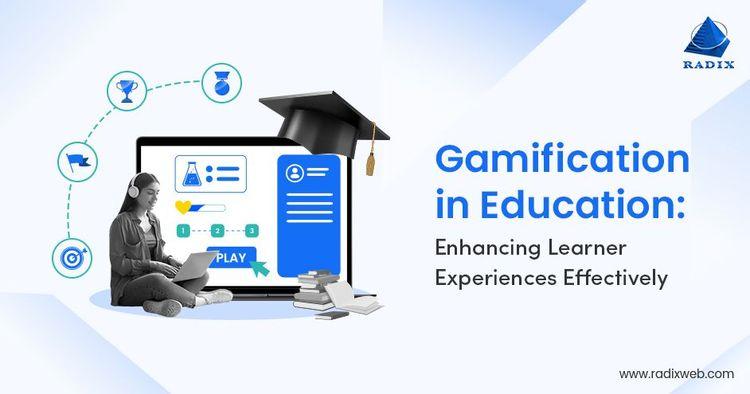
The Future of Educational Gamification: Emerging Trends and Innovations Revolutionizing Learning
Educational gamification has rapidly evolved from a buzzword to an indispensable strategy in modern teaching. As technology continues to redefine the classroom, combining game elements with learning is now essential to create dynamic, motivating, and deeply engaging educational experiences. But what does the future hold for gamified learning? In this article, we’ll explore emerging trends and innovations in educational gamification that are revolutionizing how we teach and learn, their benefits, practical implementation tips, real-world case studies, and what educators can expect in the coming years.
What is Educational Gamification?
Educational gamification refers to the application of game-design elements—such as points, badges, leaderboards, narrative, and rewards—into educational contexts. Its primary aim is to boost engagement,motivation,and knowledge retention among learners of all ages.
- Engagement: Encourages active participation.
- Motivation: Drives learners to achieve and progress.
- Retention: Facilitates deeper understanding and long-term memory.
Emerging Trends in Educational Gamification
With technology advancing at a breakneck pace, several trends are reshaping how gamified learning is delivered and experienced. Here are the trends most likely to influence the future of educational gamification:
1. Artificial Intelligence & Adaptive Learning
- Personalized Pathways: AI algorithms analyze student performance and customize learning content, ensuring optimal challenge and progress.
- Dynamic Challenges: quests and tasks adapt in real-time, keeping students motivated and preventing frustration.
2. Augmented Reality (AR) and Virtual Reality (VR)
- immersive Environments: AR/VR enables students to interact with digital content in realistic scenarios, making abstract concepts tangible.
- Location-Based learning: AR games like scavenger hunts connect curriculum to real-world locations, boosting engagement and understanding.
3. social and Collaborative Gamification
- Team Quests: Cooperative challenges promote communication, critical thinking, and teamwork skills.
- Peer Competition: Kind competition on leaderboards fosters a healthy desire to achieve.
4. Blockchain and Credentialing
- Verifiable Achievements: Digital credentials and badges stored on blockchain add value and portability to achievements.
- Microlearning Rewards: Learners can accumulate and showcase micro-credentials, incentivizing continuous progress.
5. Data-Driven Insights
- Real-Time Analytics: Educators use data from gamified platforms to adapt teaching and address learning gaps instantly.
- Learning Dashboards: Complete progress reports make learning visible and actionable for both students and teachers.
6. Integration with Learning Management systems (LMS)
- Seamless Experience: Direct integration with popular LMS platforms simplifies gamification for educators.
- Plug-and-Play Gamified Modules: Ready-made gamification tools help educators quickly enhance their courses.
Benefits of Gamified Learning: Why It Works
Gamified education is not just a passing trend.the science behind it is indeed compelling, and its impact is now well-documented. Here’s why more institutions are adopting it as part of their core teaching strategies:
- Increased Engagement: interactive elements make learning irresistible.
- Improved Retention: Active involvement leads to better memory and understanding.
- Fosters Soft Skills: Encourages creativity,problem-solving,and collaboration.
- Instant Feedback: Immediate rewards and corrections help solidify learning.
- Intrinsic Motivation: the sense of accomplishment and story-driven missions keep learners coming back for more.
“Gamification makes learning not only more effective,but also more enjoyable,turning lessons into adventures and assessments into achievements.” – EdTech Review
Practical Tips for Implementing Educational Gamification
Ready to gamify your classroom, e-learning course, or corporate training? Here are some actionable tips for effective gamification in education:
- Start Small: Introduce simple elements like quizzes with point systems or badges for task completion before scaling up.
- Align Game Mechanics with Learning goals: Ensure every challenge, badge, and leaderboard slot supports an educational objective.
- Combine Competition and Collaboration: Offer both individual and team-based rewards to reach different types of learners.
- Use Storytelling: Add a narrative to increase emotional involvement.
- Collect Feedback: Assess what works and refine your strategy based on student responses and data.
Tech Tools for Gamified Learning
- Kahoot! and quizizz: Fast-paced quiz games that spice up assessments.
- Classcraft: RPG-style platform for behavior and achievement tracking.
- Duolingo: language learning with streaks, levels, and leaderboards.
- Minecraft: Education edition: Immersive building challenges for STEM and creative subjects.
Case Studies: Real-World Success Stories
Looking for proof that educational gamification works? Here are two case studies showcasing its transformative effects:
Case Study 1: Quest to Learn, New York
Within this innovative, game-based school, all curricula are designed around quests, missions, and complex systems thinking. Outcomes show that students demonstrate higher engagement, critical thinking skills, and test performance than customary classrooms.
Case Study 2: Duolingo’s Impact on Language Learners
Duolingo uses gamification to keep users returning daily to build language skills. By tracking streaks, issuing rewards, and creating public leaderboards, students report stronger motivation and faster progress compared to textbook study.
First-Hand Experience: Teacher Insights
- Sarah, 5th Grade Teacher: “Introducing leaderboards and badges turned mundane math exercises into a class favorite! Students push themselves and collaborate more.”
- Abdul, university Lecturer: ”Using a story-driven, point-based grading approach improved participation—especially for quieter students.”
Challenges and Considerations
While the benefits are clear, successful implementation requires careful planning:
- Avoid Over-competition: Balance extrinsic rewards with intrinsic motivation; not every student thrives on public comparison.
- Accessibility: Use accessible tools and be mindful of diverse learning needs.
- data Privacy: Ensure student data is secure, especially when using cloud-based gamification platforms.
The Road Ahead: What Does the Future Hold?
The future of educational gamification will be characterized by unprecedented personalization, interactivity, and global collaboration. Here’s what we can expect:
- Hyper-Personalized Learning: AI will deliver tailor-made challenges to each learner, ensuring just the right level of difficulty.
- Global Collaborative Games: Digital connectivity will allow students worldwide to team up, compete, and solve real-world problems together.
- Lifelong Gamified Learning: Gamification will move beyond school into upskilling and reskilling for professionals at all stages of life.
- EdTech ecosystem Expansion: More start-ups and established education providers will offer robust gamification tools integrated with VR, AR, and blockchain-based certification.
Conclusion
Gamification is no longer about turning learning into a game; it’s about reimagining education itself. By leveraging smart technology,rich social interaction,and real-world connections,educational gamification is revolutionizing how students engage with knowledge—and how educators inspire achievement. As innovative trends and tools continue to emerge, the classroom of tomorrow will be more interactive, inclusive, and impactful than ever before. The future of educational gamification is bright, and its true potential is only beginning to unfold.
Ready to transform your learning environment? Start gamifying today, and you’ll join the ranks of pioneers building the classrooms of the future!