
The Future of Educational Gamification: Emerging Trends and Transformative Impacts
Gamification has rapidly become a buzzword in both the education technology and traditional learning sectors.As the digital revolution continues to transform classrooms, the future of educational gamification is brimming with promise, powered by recent breakthroughs in technology and innovative teaching strategies. This complete guide explores key trends, transformative impacts, and practical applications shaping the role of gamification in education.
Introduction: The Rise of Gamified Learning
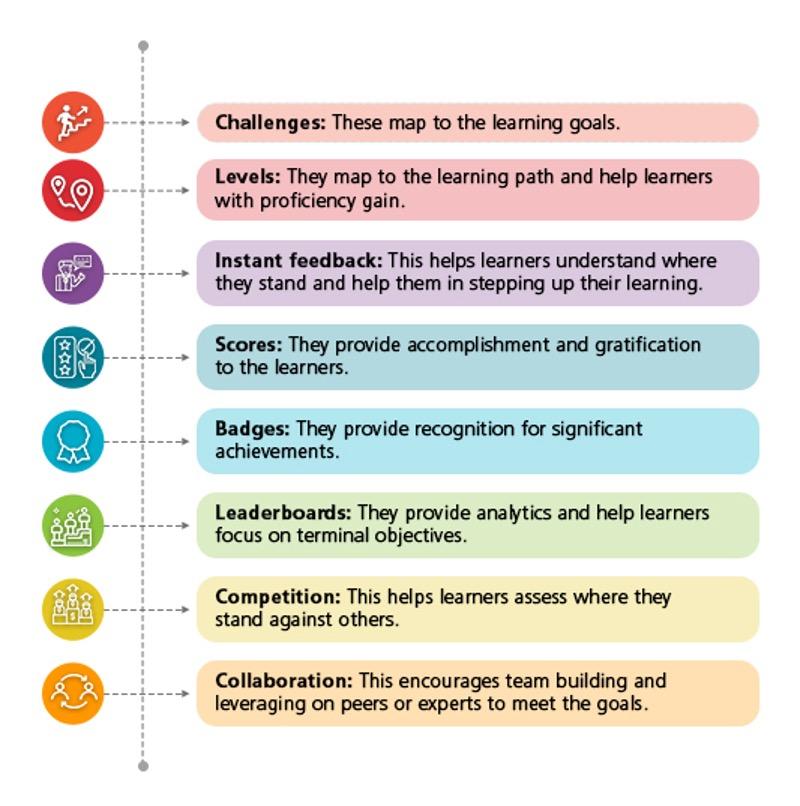
Educational gamification integrates game design elements—such as points, badges, leaderboards, and rewards—into learning environments. The goal? To foster motivation, encourage engagement, and improve knowledge retention. As schools, universities, and organizations increasingly embrace digital learning tools, gamification has emerged as a game-changer for educators and students alike.
From elementary classrooms to professional training platforms, gamified learning is evolving beyond simple quizzes and interactive lessons. It now embodies complex simulations, AR/VR-based quests, and personalized achievement pathways, marking a significant shift in how we approach education in the 21st century.
Current State of Gamification in Education
Gamification has already made significant inroads into mainstream learning platforms. Leading Learning Management Systems (LMS) like moodle, Kahoot!, and Duolingo employ gaming mechanics to drive higher student engagement, while educational apps and online courses increasingly utilize quizzes, challenges, and competitive features to maintain interest.
- Gamified assessments: Instant feedback, adaptive quizzes, and customized badges.
- Interactive narratives: Story-driven learning that puts students in control of their journey.
- Progress tracking: Visual progress bars, streaks, and achievement boards to display ongoing advancement.
- Peer competition and collaboration: Leaderboards, team quests, and shared challenges that foster healthy competition and teamwork.
Emerging Trends Shaping the Future of Educational Gamification
As technology evolves, so do gamification strategies. Here are the top trends professionals, educators, and edtech solution providers are watching:
1.Artificial Intelligence (AI) and Personalization
AI-powered algorithms analyse learner data to create personalized pathways,adapting game elements and challenges to each student’s skill level,pace,and learning style. This enables a tailored educational experience that maximizes engagement and outcomes.
2. Augmented Reality (AR) and Virtual Reality (VR) Integration
Immersive technologies like AR and VR are set to revolutionize gamified learning by offering experiential learning environments. Imagine history students embarking on virtual archaeological digs or science learners navigating the human body—these interactive experiences strengthen retention and motivation.
3. Blockchain-Based Credentialing
Blockchain technology enables the creation of secure, verifiable certificates and badges that learners can transport across institutions and platforms. Digital credentials can incentivize learning while building portable portfolios recognized by employers and educators.
4. Social and Collaborative Gamification
Next-generation educational gamification increasingly focuses on collaborative challenges and social learning.Group quests, multi-player solutions, and cross-institution competitions encourage teamwork and community building among participants.
5. Emotional Engagement and Wellbeing
Future gamified platforms will put greater emphasis on emotional intelligence,mindfulness,and student wellbeing. Rewarding not just knowledge acquisition, but also soft skills like resilience, empathy, and classroom citizenship, gamification can help foster well-rounded advancement.
Transformative Impacts of Gamification on Education
The impacts of gamification are far-reaching, reshaping the educational landscape for students and institutions alike. Here are some transformative outcomes:
- Increased Student Engagement: Game mechanics ignite interest and break the monotony of traditional lectures.
- Improved Knowledge Retention: active participation and instant feedback bolster memory recall and understanding.
- Inclusive Learning Environments: Personalized gamification supports diverse learners, catering to different abilities and learning styles.
- Enhanced Motivation and Confidence: Achievement systems and positive reinforcement build self-efficacy.
- Data-Driven Insights: Educators can track progress, identify obstacles, and tailor instruction using rich analytics from gamified tools.
Benefits and Practical Tips for Implementing Educational Gamification
Key Benefits
- active learning and problem-solving: Gamified content encourages hands-on exploration and inquiry-based activities.
- Social skills development: Collaborative challenges promote communication, teamwork, and leadership.
- Intrinsic motivation: well-designed badges and quests can stimulate curiosity and a love of learning.
- Flexible adaptation: Gamification scales to all subjects and grade levels, from math and science to language arts and history.
Practical Tips for Educators
- Define clear learning objectives: Align game mechanics and rewards with educational goals for a purposeful learning journey.
- Start small and iterate: Pilot simple point or badge systems before introducing complex multi-level games.
- Foster a growth mindset: Emphasize effort, progress, and collaboration over mere competition.
- Use diverse gamification tools: Explore platforms offering AR/VR, social integration, and analytic dashboards.
- Gather feedback: Regularly collect input from students to fine-tune game elements and maximize impact.
Case Studies: Gamification Success Stories
1. Duolingo Language Learning App
Duolingo has captured millions of learners by integrating streaks, instant feedback, badges, and playful competitive elements. As a result, users report significantly higher engagement rates, and language retention studies have shown measurable improvement among Duolingo users compared to more traditional methods.
2. Classcraft’s RPG-Style Classrooms
Classcraft transforms the classroom into a role-playing game, where student teams embark on quests, complete real-world assignments, and unlock rewards. This approach not only raises academic scores but also nurtures social skills, collaboration, and classroom harmony through game-driven teamwork.
3. Arizona State University’s BioBeyond
BioBeyond is a gamified biology course featuring mission-based modules, immersive scenarios, and instant feedback. The course has seen improved retention rates,deeper conceptual understanding,and overwhelmingly positive reviews from both students and instructors.
First-Hand Perspectives: Educators and Learners Weigh In
Educators and students report powerful experiences shaped by educational gamification:
“My students are more eager to participate and rarely miss assignments, thanks to our classroom badge system. Gamification has turned reluctant learners into active collaborators.” — Elementary Teacher, California
“I love seeing my progress and achievements in real-time. It almost feels like playing a game rather than doing homework.” — High School Student, New York
Research supports these anecdotes, documenting increased engagement, attendance, and satisfaction in gamified classrooms. Gamification promotes not just academic learning but also perseverance and cooperation.
The Road Ahead: Challenges and Considerations
Despite its promise, educational gamification poses several challenges. Over-reliance on extrinsic motivation (points or badges), insufficient alignment with learning outcomes, and one-size-fits-all approaches can undermine effectiveness.Privacy concerns arise with data collection, especially among younger learners.
To maximize the positive impact of gamification, stakeholders must:
- Ensure game elements serve educational purposes first and foremost.
- Provide adequate digital literacy and accessibility support.
- Regularly assess outcomes and adapt strategies for diverse learning needs.
Conclusion: Embracing a Gamified Educational Future
The future of educational gamification is about much more than points and badges. It’s an exciting frontier that blends technology, pedagogy, and psychology to nurture active, engaged, and lifelong learners. As AI, AR/VR, and social learning platforms mature, educators have unprecedented opportunities to inspire, motivate, and empower their students.
By embracing cutting-edge trends and aligning gamification strategies with learner-centric goals, institutions can build accessible, personalized, and genuinely enjoyable learning journeys. The transformative impacts of gamified education are just beginning to unfold—educators, policymakers, and technologists now have the tools to shape a vibrant, play-powered path toward future-ready learning.
Ready to level up your classroom? Explore leading gamification platforms and start building engaging educational adventures today!