
The Future of Educational Gamification: How Interactive Learning Is Revolutionizing Classrooms
In today’s rapidly evolving educational landscape, one approach stands out as a game-changer: gamification. By integrating the principles of game design into learning environments, educational gamification is making lessons more interactive, engaging, and effective, transforming the conventional classroom experience and shaping the future of education.
Introduction to educational Gamification
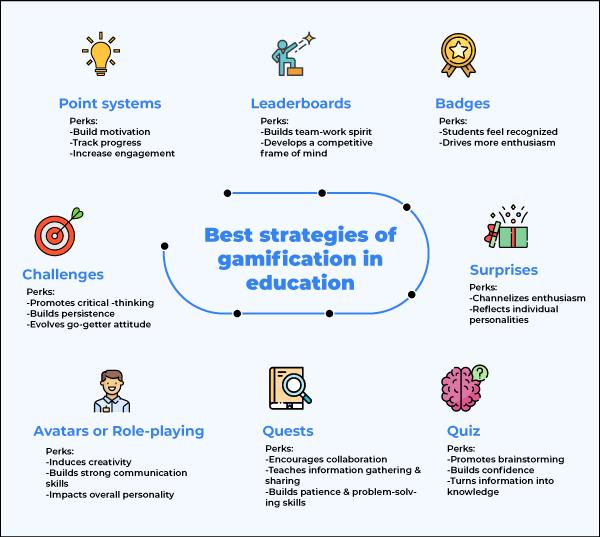
Educational gamification refers to the application of game elements—such as points, badges, competitions, and interactive challenges—within academic contexts. By leveraging technology and interactive learning platforms, educators are finding new ways to captivate students’ attention and foster intrinsic motivation. Gamification is no longer just a buzzword; it’s a powerful tool that is revolutionizing how teachers teach and how students learn.In this article, we’ll explore the future of educational gamification, the benefits it offers, practical tips for implementation, inspiring case studies, and actionable steps for educators.
Why Gamification is Transforming Learning
Traditional teaching methods often struggle to keep students engaged, resulting in passive learning and limited long-term retention. Gamification harnesses the psychological drivers behind video game addiction—competition, progression, and reward—to boost active participation and motivation in the classroom.Here’s why gamification is gaining momentum:
- Enhanced Engagement: Game-like elements make lessons fun and interactive, maintaining students’ interest and focus.
- Personalized Learning: Gamified platforms can adapt to each learner’s strengths and weaknesses, offering tailored challenges.
- instant Feedback: Immediate results through points, badges, and scores provide students with clarity on their progress and areas for improvement.
- Collaboration and Social Learning: Multiplayer games and teamwork mechanics foster collaboration and communication among peers.
- Progress of Critical Skills: Problem-solving, resilience, and strategic thinking are cultivated through interactive gameplay.
Major Benefits of Interactive Learning in Classrooms
Gamification and interactive learning deliver a wealth of benefits to both students and educators. Let’s delve into some advantages that are driving the adoption of gamified education worldwide.
1. Increased Motivation and Participation
Game rewards and progress tracking instill a sense of achievement and motivate students to take an active role in their education. Leaderboards and classroom competitions inspire healthy rivalry, pushing students to improve their results organically.
2. Better Knowledge Retention
Interactive learning methods, such as quizzes and simulations, help students internalize concepts by engaging multiple senses and reinforcing memory through repetition. studies show that gamified lessons can increase retention by up to 30% compared to traditional lectures.
3. Personalized Learning Paths
Gamification platforms utilize adaptive algorithms to customize educational content for each student. This means learners can progress at their own pace, revisit topics as needed, and access challenges suited to their current skill level.
4. Improved Collaboration and social Interaction
Team-based games and cooperative challenges foster communication,teamwork,and problem-solving skills,all of which are critical for future success in both academic and professional environments.
5. Real-Time Assessment and Feedback
Instant feedback, scores, and progress tracking help educators identify knowledge gaps and adjust instruction accordingly. Students benefit from clear, actionable information on where to focus their efforts.
Case Studies: Gamification in Action
Let’s look at real-world examples showcasing the impact of educational gamification and interactive learning:
Duolingo: Language Learning Made Fun
Duolingo is a globally recognized language-learning platform that employs points, badges, and daily streaks to motivate learners. with adaptive lessons and instant feedback, Duolingo has made mastering a new language accessible—and addictive—for over 500 million users worldwide.
Classcraft: Leveling Up in Classroom Management
Classcraft transforms classroom management and lesson delivery by turning students into characters who earn points for participation, collaboration, and positive behavior. Educators report significant improvements in engagement and attendance, as well as stronger classroom communities.
Kahoot!: Making Assessment Interactive
Kahoot! facilitates interactive quizzes and live competitions, allowing students to answer questions via smartphones or computers. By incorporating game dynamics into otherwise traditional assessments, Kahoot! makes learning lively and stress-free, while providing teachers valuable insights into comprehension levels.
Minecraft Education Edition: Creativity Unleashed
Minecraft Education Edition leverages the world-building mechanics of the popular game for STEM, history, and language arts instruction. Collaboratively solving challenges in a virtual sandbox, students apply critical thinking and creativity to real-world problems.
My Experience with Gamified Learning
As someone who’s experienced gamified education firsthand,I can attest to its transformative power. In my high school biology class, we used a digital quiz platform with leaderboards and achievement badges. The amiable competition increased my engagement and made mastering complex topics enjoyable. Our teacher noted a noticeable jump in both class participation and test scores, attributing the improvement to the interactive learning habitat.
Practical Tips for Implementing gamification in the classroom
Ready to bring gaming elements into education? Follow these strategies for successful integration:
- Start Small: Introduce simple gamified activities like quizzes, role-playing, or points for participation.
- Select the Right Platform: Choose age-appropriate and curriculum-aligned tools like Kahoot!,Quizizz,or Classcraft.
- Set Clear Objectives: Align gamified tasks with learning goals to ensure educational value, not just entertainment.
- Encourage Collaboration: Use team-based games to promote social learning and peer-to-peer support.
- Monitor Progress: Use analytics to track student performance and tailor instruction accordingly.
- Solicit Feedback: Regularly ask students for input on which gamified elements work best and adapt accordingly.
- Pace Yourself: Gradually expand the scope of gamification, ensuring it complements rather than replaces proven teaching strategies.
WordPress & CSS Tips for a Vibrant Gamified Classroom Blog
- Utilize color-coded badges to celebrate student achievements online.
- Add interactive polls and quizzes using WordPress plugins like quiz and Survey Master.
- Apply CSS for custom leaderboards or progress bars to track classroom goals (
background-color,border-radius, andbox-shadowmake these elements pop).
Challenges and Considerations
While educational gamification offers many benefits, it’s important to be mindful of potential obstacles:
- Screen Time Management: Ensure digital learning doesn’t replace essential face-to-face interactions.
- Inclusivity: Not all students are gamers—balance game elements with other teaching styles.
- Overemphasis on Rewards: Use badges and points as motivation, but focus on fostering intrinsic love of learning.
- Privacy & Data Security: Vet platforms for compliance with student data protection standards.
The Future of Educational Gamification: what’s Next?
The future promises even more immersive and personalized interactive learning experiences. Advances in augmented reality (AR), virtual reality (VR), and artificial intelligence (AI) are poised to create adaptive games that track individual progress and provide real-time feedback tailored to each learner. Collaborative virtual classrooms will cross geographical boundaries, allowing students worldwide to team up and compete, making education accessible and engaging like never before.
Emerging trends to watch include:
- AI-driven adaptive learning environments
- Immersive virtual classrooms using AR & VR
- Global gamified competitions and eSports for education
- Cross-platform integration across mobile, web, and wearable devices
Conclusion
Educational gamification and interactive learning are transforming classrooms into dynamic, engaging, and personalized spaces for growth.by harnessing the motivational power of games and the flexibility of digital technology, educators can create learning experiences that foster curiosity, resilience, and real-world skills.
The future of education is interactive, and the possibilities are limitless. Whether you’re an educator, student, or parent, embracing gamification can unlock new avenues for lifelong learning. Start small, keep objectives clear, and watch your classroom thrive in the age of gamified education.
Ready to revolutionize your classroom? Explore gamification tools today and be a part of the future of learning!